
 EN
EN
 AR
AR BG
BG HR
HR CS
CS DA
DA NL
NL FI
FI FR
FR DE
DE EL
EL IT
IT JA
JA KO
KO NO
NO PL
PL PT
PT RO
RO RU
RU ES
ES SV
SV CA
CA IW
IW ID
ID LV
LV LT
LT SR
SR SK
SK SL
SL UK
UK VI
VI SQ
SQ HU
HU TR
TR FA
FA MS
MS GA
GA CY
CY LA
LA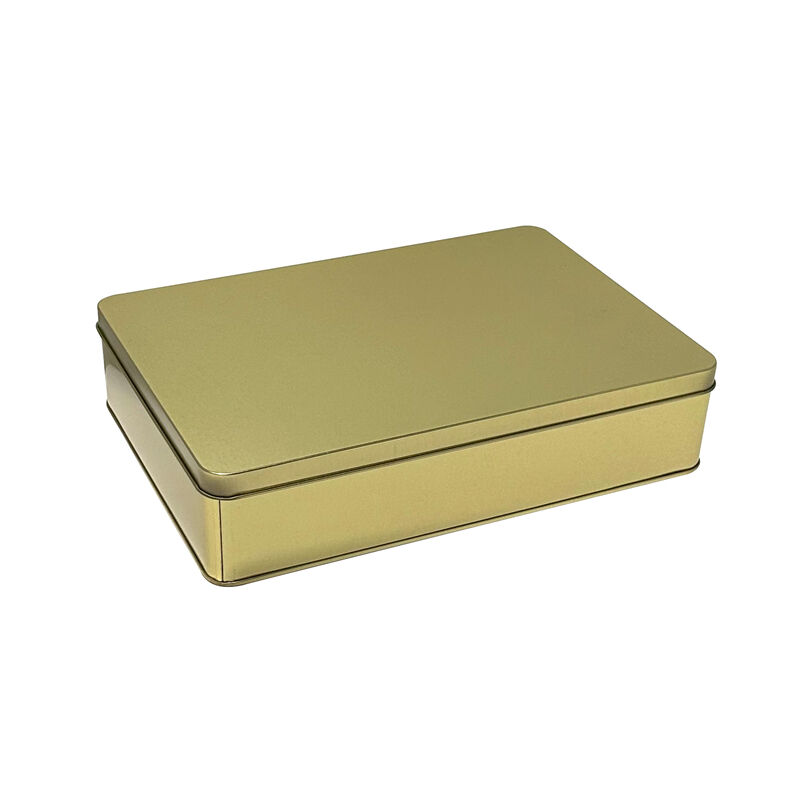
تواجه شركات الشاي الصغيرة تحديات فريدة فيما يتعلق بتغليف منتجاتها الراقية، لا سيما عند التعامل مع المواد الحساسة مثل مسحوق الماتشا. ويمكن أن تُحدث حلول التغليف المناسبة فرقًا جوهريًّا في نجاح العلامة التجارية في سوق الشاي التنافسي. إذ لا تُعَدُّ العلبة المعدنية عالية الجودة الخاصة بالماتشا مجرد وعاءٍ فحسب، بل تصبح امتدادًا لهوية علامتك التجارية، وفي الوقت نفسه تحمي المحتويات القيِّمة من العوامل البيئية التي قد تُضعف جودتها. ولشركات الشاي الصغيرة التي تسعى إلى إرساء وجودها في السوق، فإن اختيار التغليف المناسب يتطلب تأمُّلًا دقيقًا للمواد المستخدمة وعناصر التصميم والوظائف العملية. وغالبًا ما يُحدِّد الاستثمار في التغليف المناسب ما إذا كان العملاء سيعودون لشراء منتجك مجددًا أم سيبحثون عن بدائل لدى منافسين يركِّزون على الجاذبية البصرية وحماية المنتج.
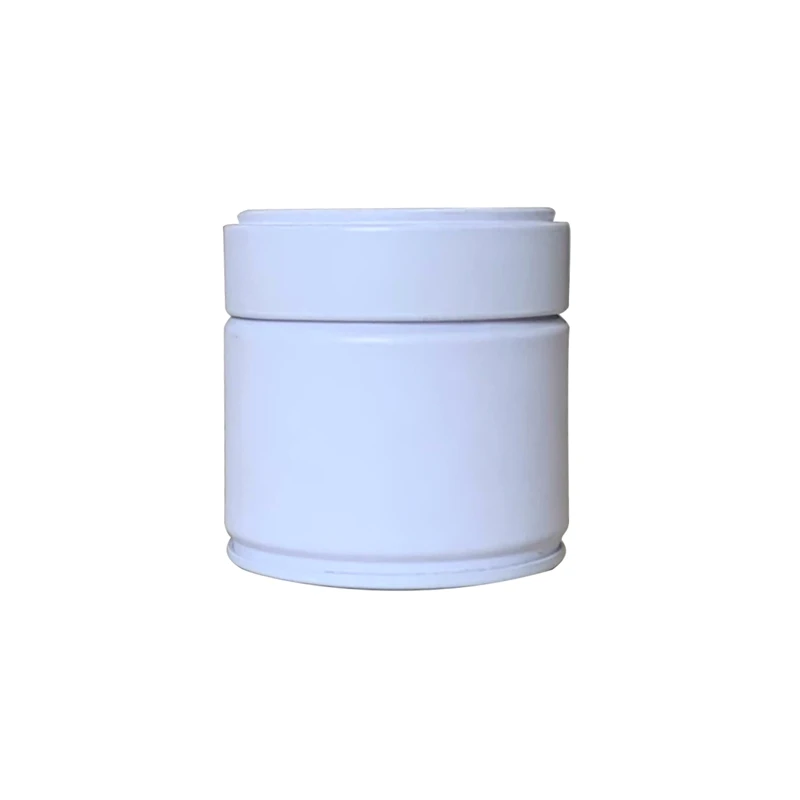
فهم متطلبات تخزين الماتشا
عوامل الحماية البيئية
تتطلب مسحوق الماتشا حماية استثنائية من العوامل البيئية التي يمكن أن تؤدي بسرعة إلى تدهور جودته وفعاليته. ويمثل التعرض للضوء أحد أخطر التهديدات التي تواجه الماتشا، حيث تعمل الأشعة فوق البنفسجية على تحلل مركبات الكلوروفيل المسؤولة عن اللون الأخضر الزاهي للمسحوق والفوائد الغذائية التي يحتويها. ولذلك يجب أن يشمل علبة الماتشا المصممة بشكلٍ سليم خصائص تحجب الضوء للحفاظ على الجاذبية البصرية للمنتج وفوائده الصحية خلال فترات التخزين الطويلة. كما أن تقلبات درجة الحرارة تشكل أيضًا مخاطر كبيرة على جودة الماتشا، ما يجعل خصائص العزل الحراري اعتبارًا أساسيًّا عند اختيار التغليف.
يُعَد التحكم في الرطوبة عاملاً آخر بالغ الأهمية في الحفاظ على الماتشا، إذ يمكن أن تؤدي الرطوبة الزائدة إلى تكتل المسحوق ونمو العفن وتدهور النكهة. ويتميز علبة الماتشا المثالية بآليات إغلاق محكمة ضد الهواء تمنع دخول الرطوبة مع الحفاظ على مستويات الرطوبة الداخلية المثلى. كما أن التعرض للأكسجين يُسرّع عمليات الأكسدة التي تُضعف النكهة المميزة للماتشا ومحتواها الغذائي، ما جعل التعبئة المفرغة من الهواء أو المُملأة بغاز النيتروجين أكثر انتشاراً بين شركات الشاي التي تولي الجودة اهتماماً بالغاً. وعليه، يجب على الشركات الصغيرة أن توازن بين هذه المتطلبات التقنية والاعتبارات المتعلقة بالتكلفة والاحتياجات العملية للتخزين والاستخدام من قِبل العملاء.
اعتبارات مدة الصلاحية
تتأثر مدة صلاحية مسحوق الماتشا مباشرةً بجودة تغليفه، ما يجعل اختيار العبوة قرارًا تجاريًّا بالغ الأهمية لموزِّعي الشاي. ويمكن لمسحوق الماتشا المخزَّن بشكلٍ سليم في علبة ماتشا مناسبة أن يحتفظ بجودته لمدة تتراوح بين اثني عشر وثمانية عشر شهرًا، بينما قد يتدهور جودة المنتجات ذات التغليف الرديء خلال أسابيع قليلة فقط عند التعرُّض لظروف غير مواتية. وغالبًا ما تواجه الشركات الصغيرة صعوباتٍ في معدل دوران المخزون، ما يجعل القدرة على إطالة مدة الصلاحية أمرًا جوهريًّا للحفاظ على جودة المنتج وتقليل الخسائر الناجمة عن الهدر.
تلعب استقرار درجة الحرارة دورًا كبيرًا في الحفاظ على المركبات النكهة الدقيقة للماشا والخصائص الغذائية لها طوال فترة الصلاحية المُقررة. وتتميز علب الماشا الراقية بخصائص عازلة تساعد في التخفيف من تأثير التغيرات في درجات الحرارة أثناء التخزين والنقل. كما يجب أن تكون مادة التغليف نفسها مقاومة للتدهور مع مرور الوقت، مما يضمن أن تظل العبوة تحافظ على خصائصها الواقية طوال العمر الافتراضي المقصود للمنتج. وينبغي أن تأخذ الشركات في الاعتبار التغيرات الموسمية في ظروف التخزين وأن تختار حلول التغليف التي تتكيف مع هذه التغيرات البيئية دون المساس بسلامة المنتج.
اختيار المادة لتقديم حماية راقية
فوائد تركيب المعادن
يمثل الألومنيوم والصفيح الخيارين الأكثر شيوعًا من حيث المواد المستخدمة في تصنيع علب الماتشا، وذلك بفضل خصائصهما الممتازة كحواجز ومتانتهما العالية. ويتميّز الألومنيوم بمقاومة ممتازة للتآكل واختراق الضوء وتسرب الرطوبة، مع الحفاظ على خفة وزنه مما يقلل تكاليف الشحن بالنسبة للشركات الصغيرة. كما أن الخصائص الطبيعية لهذه المادة توفر حماية فعّالة ضد انتقال الأكسجين، ما يساعد في الحفاظ على المركبات المتطايرة في الماتشا التي تُسهم في نكهته ورائحته المميزتين.
يجمع التصنيع من الصفيح بين الفوائد الواقية للصلب والطلاء القصديري الذي يمنع تكوّن الصدأ ويوفر أسطح تماس آمنة للأغذية. ويمنح هذا الخيار المادي متانةً هيكليةً مُحسَّنةً مقارنةً بالبدائل الألومنيومية، ما يجعله مناسبًا للأحجام الكبيرة من الحاويات أو المنتجات التي تتطلب فترات تخزينٍ طويلة. كما يسمح عملية تصنيع حاويات الصفيح بالتحكم الدقيق في الأبعاد وخصائص الإغلاق المتسقة، مما يضمن حمايةً موثوقةً عبر دفعات المنتج بأكملها. ويقدّر أصحاب المشاريع الصغيرة خاصية قابلية إعادة تدوير الصفيح، والتي تتماشى مع تفضيلات المستهلكين الواعين بيئيًّا والممارسات التجارية المستدامة.
خيارات الطلاء والتشطيب
تلعب الطلاءات الداخلية دورًا حيويًّا في منع انتقال الطعم المعدني وضمان الامتثال لمتطلبات سلامة الأغذية في تطبيقات تغليف مسحوق الماتشا. وتوفِّر الطلاءات الداخلية القائمة على الإيبوكسي مقاومة كيميائية ممتازة، وتمنع التفاعل بين الحاوية المعدنية ومسحوق الماتشا، مما يحافظ على نقاء المنتج طوال فترة التخزين. كما تُسهِّل هذه الطلاءات المتخصصة عملية التنظيف أثناء عمليات التصنيع، وتمنع تراكم الرواسب التي قد تُهدِّد جودة الدفعات اللاحقة.
تتيح خيارات التشطيب الخارجي للشركات الصغيرة إنشاء هويات علامة تجارية مميزة مع الحفاظ على الخصائص الوظيفية الواقية. وتوفّر تقنيات الطلاء بالبودرة أسطحًا متينةً ومقاومةً للخدوش، قادرةً على التحمّل أثناء عمليات التوزيع والعروض البيعية في المتاجر. أما التشطيبات اللاكية فتوفر أسطحًا ناعمةً مثاليةً لتطبيقات الطباعة عالية الجودة، مما يمكّن من طباعة رسوماتٍ ونصوصٍ تفصيليةٍ تعزّز من التعرُّف على العلامة التجارية. ويؤثر اختيار مادة التشطيب في كلٍّ من الجاذبية البصرية والمتانة العملية، ما يستدعي تأمُّلاً دقيقًا لأنماط الاستخدام المقصودة والأهداف التسويقية لكل خط من منتجات الشركة.
العناصر التصميمية التي تحفِّز المبيعات
الهوية البصرية للعلامة التجارية
يُعَد التصميم البصري لعلبة الماتشا أداة تسويقية قوية تُعبِّر عن قيم العلامة التجارية وجودة المنتج أمام العملاء المحتملين. ويؤدي علم النفس اللوني دورًا بارزًا في قرارات الشراء لدى المستهلكين، حيث ترتبط الدرجات الخضراء طبيعيًّا بالانتعاش والصحة والمنتجات الطبيعية. ويمكن للشركات الصغيرة المتخصصة في شاي الماتشا أن تستفيد من هذه الارتباطات عبر دمج أنظمة ألوان مناسبة تتناغم مع السوق المستهدفة، وفي الوقت نفسه تميِّز منتجاتها عن منتجات المنافسين على أرفف البيع بالتجزئة.
وتؤثر اختيار الخطوط على كلٍّ من سهولة القراءة وإدراك العلامة التجارية، ما يتطلَّب تحقيق توازن دقيق بين الجاذبية الجمالية والوظيفة التواصلية. فتُعبِّر الخطوط الفاخرة عن الجودة والرقي، بينما يضمن استخدام النصوص الواضحة والسهلة القراءة أن يتمكَّن العملاء من تحديد معلومات المنتج وتفاصيل العلامة التجارية بسهولة. ويمكن أن يعزِّز دمج عناصر التصميم الياباني التقليدي إحساس العملاء بأصالة المنتج بالنسبة ل علبة ماتشا التغليف، الذي يجذب المستهلكين الباحثين عن تجارب ثقافية أصيلة. ويجب أن تكمل العناصر الرسومية التصميم العام بدلًا من أن تطغى عليه، مما يخلق تسلسلًا بصريًّا هرميًّا يوجِّه انتباه العميل إلى فوائد المنتج الرئيسية ورسائل العلامة التجارية.
الميزات الوظيفية للتصميم
وتؤثر الاعتبارات الإنجونومية تأثيرًا كبيرًا في رضا العملاء واحتمالية شرائهم المتكرر لحلول تغليف الماتشا. ويجب أن توازن آليات الفتح السهل بين الأمان أثناء التخزين والراحة أثناء الاستخدام اليومي، لمنع التلوث مع تسهيل تجربة سلسة للعملاء. كما أن دمج مقابض أو إضافات سطحية مريحة للإمساك تعزِّز سهولة الاستخدام، لا سيما في الحاويات الأكبر حجمًا التي تتطلب التعامل معها بشكل متكرر أثناء إجراءات التحضير.
تُفيد ميزات القدرة على التكديس كلًّا من تجار التجزئة والمستهلكين من خلال تحسين مساحة التخزين وترتيب العروض. ويمكن للشركات الصغيرة أن تقلل تكاليف تخزين المخزون، في حين يقدّر تجار التجزئة العبوات التي تُ tốiّز الاستفادة من مساحة الرفوف. كما أن دمج مؤشرات القياس أو أدلة الكميات في تصميم علبة الماتشا يضيف قيمة عملية للمستهلكين، ويشجّع في الوقت نفسه على أنماط الاستخدام السليمة التي تحقّق أقصى درجة من رضا العملاء عن المنتج. وغالبًا ما تبرّر هذه التحسينات الوظيفية استراتيجيات التسعير المرتفعة، مع بناء ولاء العملاء عبر تحسين تجارب المستخدمين.
خيارات التخصيص للشركات الصغيرة
متطلبات الحد الأدنى للطلب
غالبًا ما تواجه شركات الشاي الصغيرة تحديات تتعلق بكميات الطلب الدنيا التي قد تُثقل كاهل ميزانياتها المحدودة وقدرات التخزين المتاحة لديها. فكثير من المصنّعين يشترطون حدًّا أدنى للطلبات يبلغ عدة آلاف من الوحدات لإنتاج علب الماتشا المخصصة، مما يشكّل عوائق أمام الشركات الناشئة والعمليات ذات النطاق الضيق. ومع ذلك، فإن مورِّدي التغليف المتخصصين يقدمون على نحو متزايد كميات طلب دنيا أقل، مصمَّمة خصيصًا لتلبية احتياجات الشركات الصغيرة، وتتراوح عادةً بين ٥٠٠ و١٠٠٠ وحدة للطلبات الأولية.
تتيح ترتيبات الطلب المرنة للشركات الصغيرة اختبار استجابة السوق قبل الالتزام باستثمارات أكبر في المخزون. ويقدّم بعض الموردين هياكل أسعار تدريجية توفر مزايا تكلفة مع زيادة أحجام الطلبات تدريجيًّا، مما يدعم نموَّ الأعمال مع الحفاظ على التكلفة المعقولة خلال المراحل الأولية لدخول السوق. ويمكن أن تساعد أنماط الطلب الموسميّة الشركات الصغيرة في إدارة التدفق النقدي من خلال مواءمة عمليات شراء العبوات الرئيسية مع فترات الذروة البيعية، مما يقلل احتياجات التخزين مع ضمان مستويات مخزون كافية خلال المواسم ذات الطلب المرتفع.
إمكانيات دمج العلامة التجارية
تتيح تقنيات الطباعة الرقمية للشركات الصغيرة تحقيق جودة احترافية في الرسومات المطبوعة على أسطح علب الماتشا دون الحاجة إلى استثمارات باهظة في أدوات التصنيع. وتسمح إمكانات الطباعة ذات البيانات المتغيرة بإنتاج تنوّعات من المنتجات أو تصاميم موسمية أو إصدارات محدودة العدد، مما يُولِّد حماسًا تسويقيًّا ويعزِّز مشاركة العملاء. ويمكن للشركات الصغيرة تجربة نُهُج تصميم مختلفة وجمع ملاحظات العملاء قبل وضع استراتيجيات العلامة التجارية طويلة الأجل بشكل نهائي.
تُضيف تقنيات النقش البارز (Embossing) والنقش الغائر (Debossing) عناصر لمسية تعزِّز القيمة المدرَكة وتخلق تجارب لا تُنسى للعملاء. وتعمل هذه الخيارات النهائية بشكل خاص جدًّا على عناصر الشعار أو الرسائل الأساسية التي ترغب الشركات في إبرازها. ويمكن لتطبيقات طبقة الورنيش الضوئي الموضعي (Spot UV) أن تُبرز عناصر التصميم المحددة مع توفير فوائد وقائية للمناطق عالية الاستخدام على سطح علبة الماتشا. ويسمح الجمع بين عدة تقنيات نهائية للشركات الصغيرة بإنشاء تغليفٍ متطور ينافس بفعالية الشركات الأكبر حجمًا، مع الحفاظ في الوقت نفسه على تكاليف إنتاج معقولة.
اعتبارات التكلفة والتخطيط المالي
تحليل الاستثمار الأولي
تمثل التكاليف الأولية المرتبطة بتطوير علب الماتشا المخصصة استثماراتٍ كبيرةً للشركات الصغيرة العاملة في مجال الشاي والتي تفتقر إلى موارد رأسمالية وافرة. وقد تتراوح تكاليف صناعة القوالب الخاصة بالأحجام أو الأشكال الفريدة ما بين عدة مئاتٍ وآلاف الدولارات، مما يستلزم إجراء تحليلٍ دقيقٍ لحجم المبيعات المتوقع لتبرير هذه النفقات. ويجب على الشركات الصغيرة أن توازن بين الرغبة في تغليفٍ مميزٍ والقيود العملية المفروضة على الميزانية ومتطلبات التدفق النقدي خلال مراحل التأسيس.
تشمل تكاليف تطوير التصميم خدمات تصميم الجرافيك، وعمليات المراجعة (Proofing)، والتعديلات المحتملة قبل الانتهاء من مواصفات الإنتاج النهائية. ويمكن للعديد من الشركات الصغيرة خفض هذه النفقات من خلال التعاون مع مورِّدي العبوات الذين يقدمون خدمات تصميم داخلية، أو باستخدام أدوات التصميم الإلكترونية التي تبسّط عملية التخصيص. وغالبًا ما تُحقِّق الاستثمارات في خدمات التصميم الاحترافية عوائد جيدة من خلال تحسين أداء المبيعات وتعزيز التعرُّف على العلامة التجارية في الأسواق التنافسية.
اعتبارات القيمة طويلة الأجل
توفر استثمارات التغليف عالية الجودة قيمةً طويلة الأجل من خلال تحسين حماية المنتج، وتقليل الهدر، وزيادة معدلات رضا العملاء. وعادةً ما يوفّر تصنيع علب الماتشا الفاخرة متانةً وخصائص حمايةً أفضل، مما قد يطيل مدة صلاحية المنتج ويقلل من تكاليف الاستبدال المرتبطة بمواد التغليف الرديئة. وينبغي للشركات الصغيرة أن تقيّم التكلفة الإجمالية لملكية الحلول التغليفية بدل التركيز فقط على أسعار الشراء الأولية عند اختيارها.
تتفوّق فوائد بناء العلامة التجارية الناتجة عن التغليف المتسق عالي الجودة على الاعتبارات الفورية المتعلقة بالتكلفة، وذلك من خلال تعزيز ولاء العملاء وفعالية التسويق الشفهي. ويُمكّن التغليف الفاخر الشركات الصغيرة من تحديد أسعار أعلى مع بناء حقوق العلامة التجارية التي تدعم أهداف النمو الطويلة الأجل. ويمكن أن يُميِّز الاستثمار في تغليف علب الماتشا عالية الجودة الشركات الصغيرة عن المنافسين الذين يستخدمون حاويات نمطية، ما يخلق مزايا تنافسية تبرر استراتيجيات التسعير المرتفع وتدعم نماذج الأعمال المستدامة.
استراتيجيات اختيار الموردين وإقامة الشراكات
تقييم القدرات التصنيعية
يتطلب اختيار شريك التصنيع المناسب إجراء تقييمٍ دقيقٍ للقدرات التقنية، وعمليات مراقبة الجودة، ومدى توافق السعة الإنتاجية مع احتياجات العمل. وينبغي أن تقوم الشركات الصغيرة بتقييم خبرة الموردين المحتملين في التعامل مع مواد التعبئة والتغليف الآمنة للاستهلاك البشري، والامتثال للمعايير واللوائح التنظيمية ذات الصلة بالسلامة. كما تكتسب المرونة التصنيعية أهميةً خاصةً بالنسبة للشركات الصغيرة التي قد تحتاج إلى تعديل كميات الطلبيات أو تعديل المواصفات استنادًا إلى ملاحظات السوق والتقلبات الموسمية في الطلب.
تؤثر إجراءات مراقبة الجودة تأثيرًا مباشرًا على اتساق المنتج ومستويات رضا العملاء في إنتاج علب الماتشا. ويُطبِّق الموردون الموثوقون بروتوكولات فحص شاملة للتحقق من خصائص المواد، والدقة البُعدية، وأداء الإغلاق قبل الشحن. وينبغي أن تطلب الشركات الصغيرة شهادات الجودة وعينات تُظهر معايير التصنيع واتساقها عبر دفعات الإنتاج المختلفة. كما أن القدرة على تتبع المواد وعمليات الإنتاج توفر ضمانًا إضافيًّا للشركات التي تركز على الجودة وسلامة العملاء.
خدمات الاتصال والدعم
تُسهِّل قنوات الاتصال الفعَّالة بين الشركات الصغيرة ومورِّدي التغليف تنفيذ المشاريع بسلاسة وحل المشكلات طوال عملية الإنتاج. ويساعد المورِّدون الذين يوفرون إدارة حسابات مخصصة ودعمًا فنيًّا الشركات الصغيرة على التغلب على التحديات التصميمية وتحسين مواصفات التغليف بما يتوافق مع احتياجاتها المحددة. كما تُبقي التحديثات الدورية خلال مراحل الإنتاج الشركات الصغيرة على اطلاعٍ بتقدُّم المشروع والجداول الزمنية المحتملة للتسليم.
تكتسب خدمات الدعم ما بعد البيع قيمةً كبيرةً بشكل خاص بالنسبة للشركات الصغيرة التي قد تفتقر إلى الخبرة الواسعة في مجال التعبئة أو الموارد اللازمة للتعامل مع المشكلات بشكل مستقل. وتساعد الموردون الذين يقدمون مساعدة في استكشاف الأخطاء وإصلاحها، وتوصيات التخزين، وإرشادات التعامل على ضمان الأداء الأمثل طوال دورة حياة المنتج. كما أن المصادر التعليمية ومواد التدريب تمكّن فرق الشركات الصغيرة من الاستفادة القصوى من استثماراتها في علب الماتشا، مع تجنّب الأخطاء الشائعة التي قد تُضعف جودة المنتج أو رضا العملاء.
الأسئلة الشائعة
ما هو الحجم المثالي لعلبة الماتشا الخاصة بالتجزئة في الشركات الصغيرة؟
حجم علبة الماتشا الأمثل للبيع بالتجزئة من قِبل الشركات الصغيرة يتراوح عادةً بين ٣٠ و١٠٠ جرام، وذلك حسب تفضيلات السوق المستهدفة واستراتيجيات تحديد الأسعار. وتُعد الأحجام الأصغر (حوالي ٣٠–٥٠ جرامًا) مناسبة جدًّا للتموضع الفاخر وعمليات الشراء التجريبية، في حين توفر العلب بسعة ١٠٠ جرام قيمة أفضل للمستهلكين المنتظمين. وعند اختيار الأحجام، خذ في الاعتبار أنماط الاستخدام لدى قاعدة عملائك والقيود المفروضة على ميزانيتهم، إذ إن العلب الأصغر غالبًا ما تُباع بسعر أعلى لكل جرام، لكنها قد تشجّع العملاء الجدد على إجراء عمليات شراء تجريبية أولية.
كيف يمكن للشركات الصغيرة تقليل الكميات الدنيا للطلب الخاصة بالتغليف المخصص
يمكن للشركات الصغيرة تقليل متطلبات الحد الأدنى للطلب من خلال الشراكة مع مورِّدين متخصصين في التغليف، والذين يستهدفون بشكل خاص العمليات الأصغر حجمًا، وغالبًا ما يقدِّمون حدًّا أدنى يتراوح بين ٥٠٠ و١٠٠٠ وحدة. وتشمل الطريقة الأخرى الانضمام إلى برامج الشراء التعاونية، حيث تجمع عدة شركات صغيرة طلبياتها معًا لتلبية الحدود الدنيا الأعلى، مع تقاسم التكاليف. وبعض المورِّدين يقدمون خيارات عبوات جاهزة (ستوك) مع خدمات تسمية مخصصة، مما يقلِّل بشكل كبير من الكميات الدنيا المطلوبة، مع توفير فرص تخصيص العلامة التجارية في الوقت نفسه.
ما الشهادات التي ينبغي أن أبحث عنها في مورِّدي علب الماتشا؟
تشمل الشهادات الأساسية الامتثال لمعايير إدارة الأغذية والعقاقير (FDA) للمواد المتلامسة مع الأغذية، وشهادة ISO 9001 لأنظمة إدارة الجودة، وشهادات BRC أو SQF لبروتوكولات سلامة الأغذية. ابحث عن المورِّدين الذين يطبِّقون نظام تحليل المخاطر ونقاط التحكم الحرجة (HACCP)، والحصول على شهادة المنتجات العضوية إذا كنت تستهدف قطاعات السوق العضوية. علاوةً على ذلك، تأكَّد من أن المورِّدين يتبعون ممارسات التصنيع الجيدة (GMP)، ويحتفظون بوثائق إمكانية التتبع لجميع المواد المستخدمة في إنتاج علب الماتشا.
كيف تؤثر ظروف التخزين على أداء علب الماتشا
تؤثر ظروف التخزين تأثيرًا كبيرًا على أداء علب الماتشا وقابليتها لحماية المنتج مع مرور الوقت. ويمكن أن تُضعف البيئات عالية الرطوبة فعالية الإغلاق، وقد تؤدي في بعض الأحيان إلى حدوث تآكل في العلب المعدنية. كما أن تقلبات درجة الحرارة تُجهد مواد العلبة وآليات إغلاقها، ما قد يُحدث فجواتٍ دقيقة تسمح بدخول الملوثات. ويُحقِّق التخزين السليم في ظروف باردة وجافة وذات درجات حرارة مستقرة أقصى استفادة ممكنة من الفوائد الواقية لتغليف علب الماتشا عالية الجودة، مع تمديد عمر العلبة وطول فترة نضارة المنتج.