
 EN
EN
 AR
AR BG
BG HR
HR CS
CS DA
DA NL
NL FI
FI FR
FR DE
DE EL
EL IT
IT JA
JA KO
KO NO
NO PL
PL PT
PT RO
RO RU
RU ES
ES SV
SV CA
CA IW
IW ID
ID LV
LV LT
LT SR
SR SK
SK SL
SL UK
UK VI
VI SQ
SQ HU
HU TR
TR FA
FA MS
MS GA
GA CY
CY LA
LA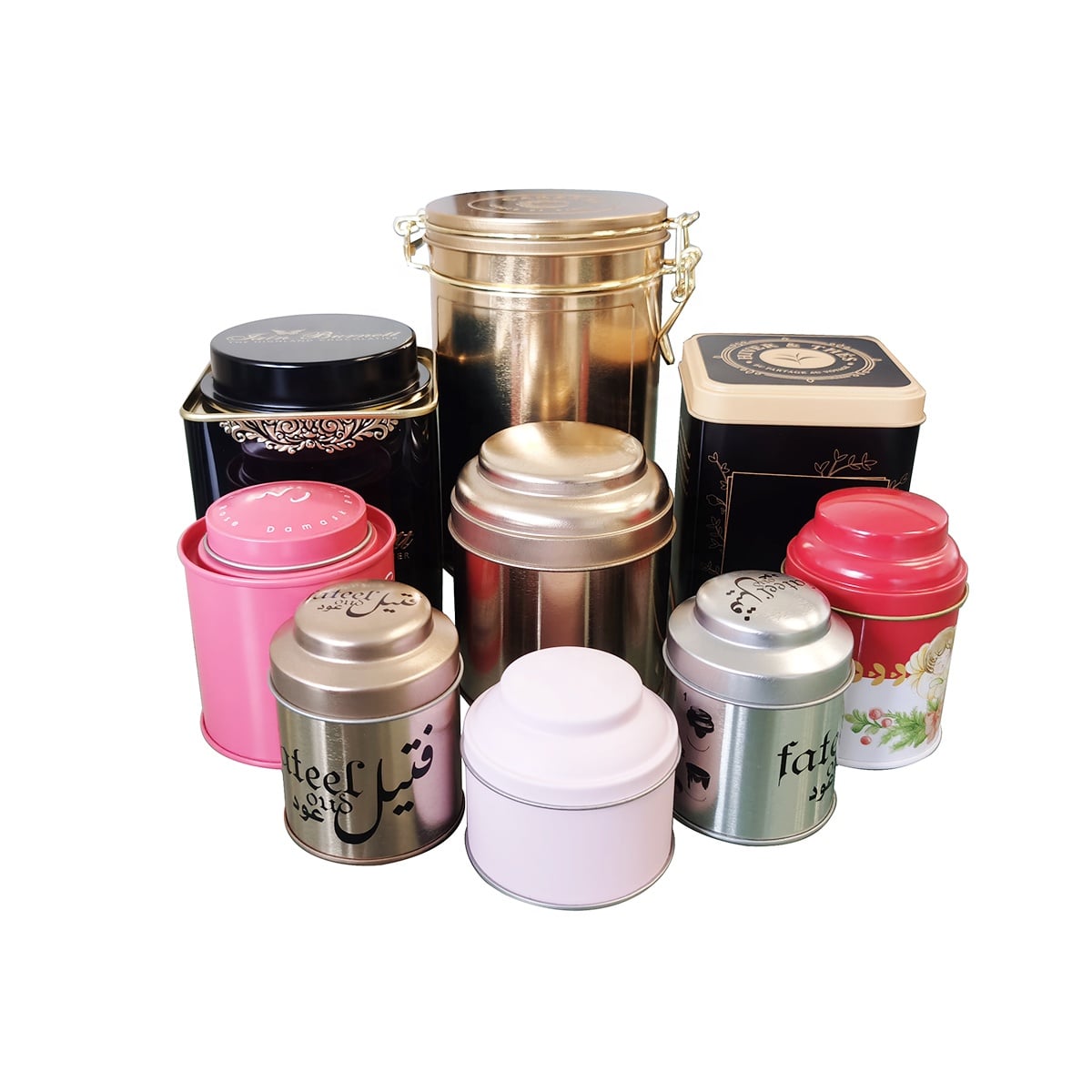
When it comes to preserving the freshness, aroma, and potency of spices and herbs, the choice of storage vessel matters far more than most people realize. A Tin Container has long been a popular option in both home kitchens and commercial food operations, but questions about its safety for direct food contact — especially with aromatic, acidic, or oil-rich botanicals — deserve a thorough and honest answer. Understanding what a tin container is made of, how it interacts with spice compounds, and what conditions affect its performance is essential before making a storage decision.
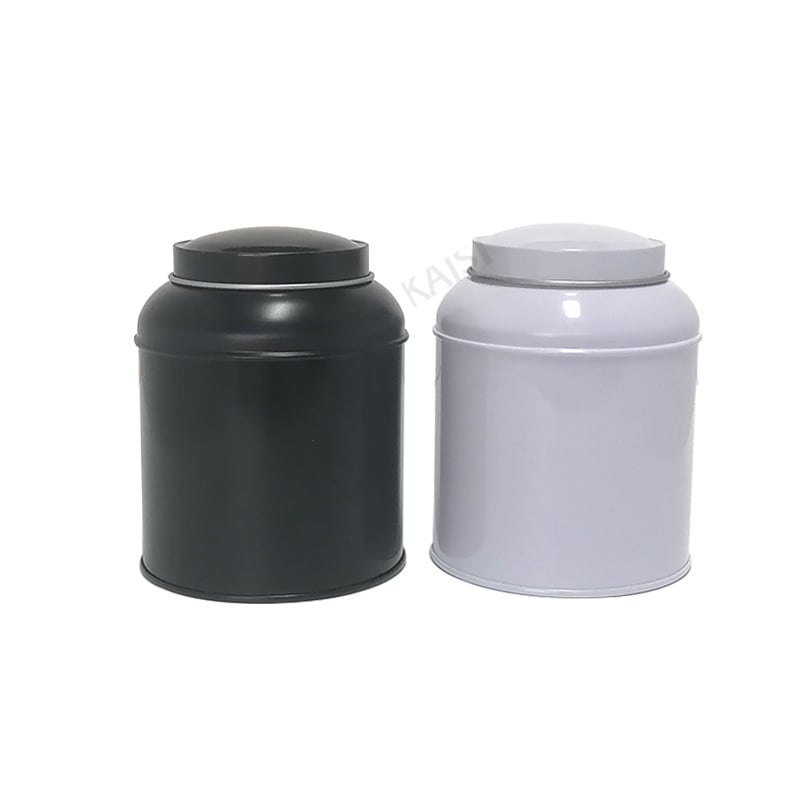
The short answer is yes — a tin container is generally safe for storing spices and herbs, provided it meets food-grade manufacturing standards and is used correctly. However, safety is not a blanket guarantee that applies to every product on the market. The material composition, interior coating, lid seal quality, and the specific nature of the spices being stored all play a role in determining whether a tin container is the right choice for your application. This article examines each of these factors in detail so you can make a fully informed decision.
Understanding What a Tin Container Is Made Of
The Base Material and Its Food Safety Profile
A tin container used in food storage is typically constructed from tinplate — a thin sheet of low-carbon steel coated with a layer of tin. This combination gives the container its characteristic rigidity, light weight, and resistance to corrosion. Tin itself is a relatively inert metal, which means it does not readily react with most food substances under normal storage conditions. This inertness is one of the primary reasons tin has been used in food packaging for well over a century.
Food-grade tinplate must comply with international safety standards, including those set by regulatory bodies such as the FDA in the United States and the EU's food contact material regulations. These standards govern the permissible levels of metal migration into food products. When a tin container is manufactured to these specifications, the risk of harmful metal transfer to dry goods like spices and herbs is considered negligible under normal use conditions.
It is worth noting that not all tin containers on the market are produced to the same standard. Industrial or decorative tins not intended for food contact may use coatings or alloys that are not suitable for direct food storage. Always verify that a tin container is explicitly labeled or certified as food-grade before using it to store consumable goods.
Interior Coatings and Their Role in Safety
Many modern tin containers feature an interior lacquer or enamel coating applied over the tinplate surface. This coating serves as an additional barrier between the metal and the stored contents, further reducing any potential for metal migration. These coatings are especially important when the tin container will hold spices with high essential oil content, such as cloves, cinnamon, or black pepper, which contain compounds that could theoretically interact with bare metal surfaces over extended periods.
Food-safe interior coatings are formulated to be chemically stable, odor-neutral, and resistant to the volatile organic compounds found in aromatic herbs and spices. A well-coated tin container effectively isolates the stored product from the metal substrate, making it a reliable and safe storage medium for a wide range of botanical ingredients.
When evaluating a tin container for spice storage, inspect the interior surface for uniformity, absence of rust spots, and integrity of the coating. Any visible damage, peeling, or corrosion on the interior surface is a clear indicator that the container should not be used for food storage.
How a Tin Container Protects Spice and Herb Quality
Light Exclusion and Flavor Preservation
One of the most significant advantages a tin container offers for spice and herb storage is its complete opacity. Light — particularly ultraviolet light — is one of the primary degradation agents for aromatic compounds, volatile oils, and pigments found in spices and herbs. Exposure to light accelerates oxidation, causes color fading, and diminishes the potency of flavor and fragrance compounds. A tin container blocks all light entirely, creating a dark internal environment that significantly slows these degradation processes.
This light-blocking property gives a tin container a clear advantage over glass jars, which, unless made from amber or dark-tinted glass, allow light to penetrate and gradually degrade the stored contents. For spices like paprika, turmeric, and saffron — which are particularly sensitive to light-induced color and flavor loss — storing them in a tin container can meaningfully extend their usable shelf life.
Airtight Sealing and Moisture Control
Moisture is another major threat to the quality and safety of stored spices and herbs. Excess humidity can cause clumping, promote mold growth, and accelerate the breakdown of volatile aromatic compounds. A tin container with a well-engineered lid creates a tight seal that limits the exchange of air and moisture between the interior and the surrounding environment.
The lid design of a tin container is therefore a critical quality factor. A friction-fit or press-on lid that seats firmly and evenly around the rim provides a reliable moisture barrier. Some tin containers designed specifically for tea, herbs, or spices incorporate double-lid systems or inner lids that enhance the seal further. This level of protection is particularly valuable in humid climates or commercial kitchen environments where ambient moisture levels are consistently high.
Dry spices and herbs stored in a properly sealed tin container are well-protected from the moisture fluctuations that degrade quality in open or loosely sealed containers. This makes the tin container a practical and effective choice for both short-term and longer-term spice storage.
Conditions That Affect the Safety of a Tin Container for Spice Storage
Acidity and Moisture Interaction
While a tin container is safe for storing dry spices and herbs under normal conditions, certain edge cases warrant attention. Spices that are stored while still containing residual moisture — either because they were not fully dried before storage or because they absorbed moisture after opening — can create a microenvironment inside the tin container that promotes corrosion over time. Rust formation on the interior surface of a tin container is a sign that moisture has been present and that the container's integrity may be compromised.
Some spice blends contain ingredients with mild acidity, such as dried citrus peel or sumac. While the acidity of dry spice components is generally low enough to pose no significant risk to a food-grade tin container, it is good practice to ensure that any spice mixture stored in a tin container is thoroughly dry and free of liquid components. Wet or paste-form spice preparations are not suitable for storage in a standard tin container and should be kept in glass or food-grade plastic containers instead.
Temperature and Long-Term Storage Considerations
A tin container performs well across a wide range of ambient temperatures, making it suitable for pantry storage in most climates. However, extreme temperature fluctuations — such as placing a tin container near a stove or in direct sunlight — can cause condensation to form on the interior walls as the container heats and cools repeatedly. This condensation introduces moisture into the stored spices and can, over time, affect both the quality of the contents and the condition of the container itself.
For optimal results, store a tin container in a cool, dry location away from direct heat sources and sunlight. A pantry shelf, cabinet, or drawer that maintains a relatively stable temperature is ideal. Under these conditions, a high-quality tin container can safely preserve spices and herbs for extended periods without any degradation in safety or performance.
It is also worth considering the size of the tin container relative to the quantity of spice being stored. A container that is significantly larger than the volume of spice it holds will contain a larger air pocket, which can accelerate oxidation of the stored contents. Choosing a tin container that closely matches the volume of the spice or herb being stored helps minimize air exposure and maintain freshness more effectively.
Practical Guidance for Using a Tin Container with Spices and Herbs
Selecting the Right Tin Container for the Application
Not every tin container is designed with spice storage in mind, so selecting the right product requires attention to a few key criteria. First, confirm that the tin container is explicitly food-grade and intended for direct food contact. Second, examine the interior surface — it should be smooth, uniformly coated, and free of any visible defects. Third, assess the lid fit: it should close firmly and evenly without gaps or looseness that would compromise the seal.
For whole spices, dried herbs, loose-leaf teas, and similar dry botanicals, a round tin container with a press-fit lid is a particularly practical format. The cylindrical shape allows for efficient stacking and storage, while the round opening makes it easy to access the contents with a spoon or measuring tool. The tin container format is also well-suited to labeling, which is important when storing multiple similar-looking spices in a coordinated set.
Cleaning and Maintenance of a Tin Container
Proper maintenance of a tin container is straightforward but important for long-term safety and performance. After emptying a tin container, wipe the interior with a dry cloth to remove any residual powder or oil. If deeper cleaning is needed, use a slightly damp cloth and dry the container thoroughly and immediately afterward. Never submerge a tin container in water or place it in a dishwasher, as prolonged water exposure will cause rust and degrade the container's integrity.
Avoid using abrasive cleaning tools on the interior of a tin container, as these can scratch or remove the protective coating and expose the underlying metal. With proper care, a quality tin container can be reused many times over, making it both a safe and economical storage solution for spices and herbs.
Inspect a tin container periodically for signs of rust, denting, or lid deformation. A dented tin container may no longer seal properly, and a rusted interior should be retired from food use immediately. Replacing a compromised tin container promptly ensures that your stored spices and herbs remain safe and uncontaminated.
FAQ
Is a tin container safe for storing ground spices as well as whole spices?
Yes, a food-grade tin container is safe for both ground and whole spices. Ground spices have a larger surface area and release volatile oils more readily, so ensuring the tin container has a tight-fitting lid is especially important to preserve their potency and prevent moisture absorption.
Can a tin container affect the taste or smell of stored herbs?
A properly manufactured, food-grade tin container with an intact interior coating should not impart any metallic taste or odor to stored herbs. If you notice any off-flavors or metallic notes in herbs stored in a tin container, inspect the interior for coating damage or rust and discontinue use if either is present.
How long can spices be safely stored in a tin container?
The tin container itself does not impose a specific time limit on safe storage. The shelf life of the spices depends on their type, initial quality, and storage conditions. Whole spices stored in a well-sealed tin container in a cool, dry location can retain quality for two to four years, while ground spices typically remain at peak quality for one to two years. The tin container helps maximize this window by blocking light and limiting moisture exposure.
Are all tin containers on the market suitable for spice storage?
No. Decorative or industrial tin containers may not meet food-grade standards and could contain coatings or materials not intended for food contact. Always choose a tin container that is specifically designed and certified for food use. Reputable manufacturers will clearly indicate food-grade compliance in their product specifications.