
 EN
EN
 AR
AR BG
BG HR
HR CS
CS DA
DA NL
NL FI
FI FR
FR DE
DE EL
EL IT
IT JA
JA KO
KO NO
NO PL
PL PT
PT RO
RO RU
RU ES
ES SV
SV CA
CA IW
IW ID
ID LV
LV LT
LT SR
SR SK
SK SL
SL UK
UK VI
VI SQ
SQ HU
HU TR
TR FA
FA MS
MS GA
GA CY
CY LA
LA
Marketing sustainable packaging solutions has become a critical differentiator for brands seeking to connect with environmentally conscious consumers. When companies invest in custom tin box packaging, they gain powerful eco-credentials that can transform their brand narrative and appeal to sustainability-focused market segments. The challenge lies in effectively communicating these environmental benefits while demonstrating genuine commitment to sustainable practices rather than superficial greenwashing.
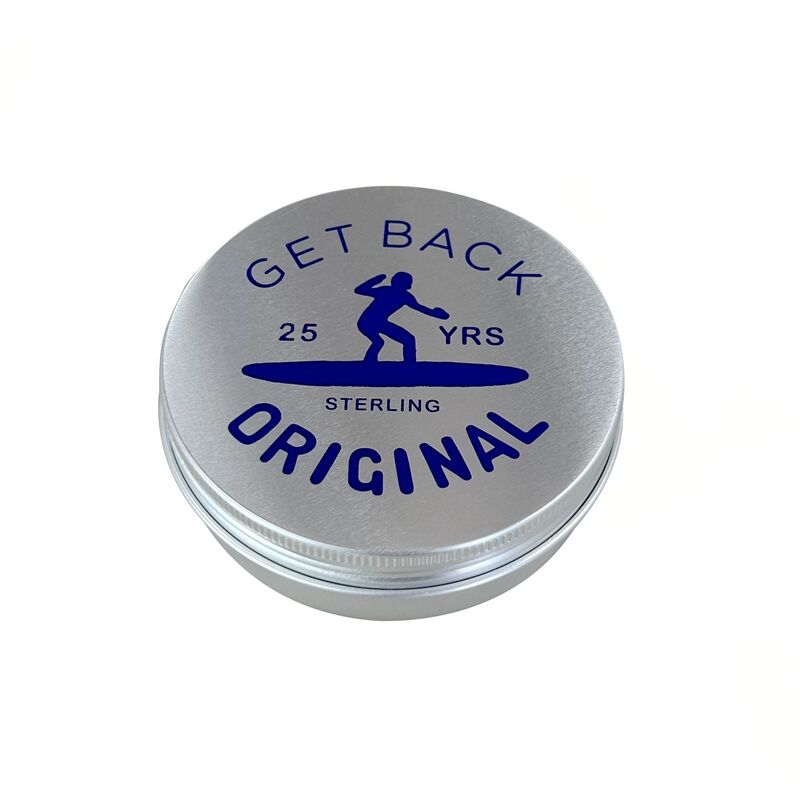
Successfully marketing sustainable custom tin packaging requires a strategic approach that balances environmental messaging with practical business benefits. Companies must articulate the recyclability advantages, longevity benefits, and circular economy contributions of their custom tin box choices while avoiding common pitfalls that can undermine credibility. This marketing approach demands authentic storytelling, transparent communication, and measurable sustainability metrics that resonate with both B2B partners and end consumers.
Building Authentic Sustainability Narratives
Establishing Credible Environmental Claims
Authentic sustainability marketing begins with establishing credible environmental claims that accurately represent the benefits of custom tin box packaging. Companies must base their messaging on verifiable facts about tin's recyclability, durability, and environmental impact compared to alternative packaging materials. The key lies in presenting specific data about recycling rates, carbon footprint reductions, and lifecycle assessments rather than vague environmental statements that consumers increasingly scrutinize.
Successful sustainability narratives incorporate third-party certifications, industry standards, and measurable environmental improvements achieved through custom tin box adoption. Brands should highlight specific achievements such as waste reduction percentages, recycled content ratios, and contributions to circular economy principles. This approach builds trust with stakeholders who demand transparency and accountability in environmental claims while differentiating the brand from competitors making unsubstantiated green marketing claims.
The messaging strategy should emphasize the long-term environmental benefits of choosing durable custom tin box packaging over single-use alternatives. Companies can showcase how their packaging choices reflect broader corporate sustainability commitments, connecting individual product decisions to larger environmental goals and corporate responsibility initiatives that resonate with conscious consumers and business partners.
Connecting Sustainability to Brand Values
Effective sustainability marketing seamlessly integrates environmental benefits with core brand values and corporate identity. When promoting custom tin box packaging, companies must demonstrate how sustainable packaging choices align with their mission, vision, and customer promises. This connection transforms environmental considerations from an add-on feature into a fundamental aspect of brand identity that influences all stakeholder interactions and business decisions.
The integration process involves identifying specific ways that custom tin box sustainability features support broader brand positioning and customer value propositions. Companies should articulate how environmental responsibility enhances product quality, reflects customer care, and demonstrates innovation leadership within their industry. This approach creates authentic connections between sustainability efforts and business success while avoiding the perception that environmental initiatives are merely marketing tactics.
Successful brands develop consistent messaging frameworks that connect custom tin box environmental benefits to customer benefits, operational advantages, and competitive differentiation. This comprehensive approach ensures that sustainability becomes an integral part of the brand story rather than an isolated marketing campaign, creating lasting associations between the company and environmental responsibility in customer minds.
Communicating Environmental Benefits Effectively
Highlighting Recyclability and Circular Economy Contributions
Marketing the recyclability advantages of custom tin box packaging requires clear communication about tin's unique position in the circular economy. Companies should emphasize that tin can be recycled indefinitely without losing quality or performance characteristics, making it superior to many alternative packaging materials that degrade through recycling processes. This message resonates particularly well with environmentally conscious consumers and businesses committed to waste reduction goals.
Effective communication strategies include providing specific statistics about tin recycling rates, explaining the energy savings achieved through recycled tin production, and demonstrating how custom tin box packaging contributes to closed-loop systems. Companies can showcase partnerships with recycling facilities, highlight take-back programs, and explain how customers can properly dispose of packaging to maximize environmental benefits. This educational approach builds customer engagement while reinforcing the company's environmental leadership.
The messaging should also address the broader implications of choosing recyclable custom tin box packaging for corporate sustainability reporting and environmental compliance requirements. Companies can help customers understand how sustainable packaging choices support their own environmental goals, regulatory compliance needs, and stakeholder reporting obligations, creating additional value beyond the immediate packaging function.
Demonstrating Durability and Waste Reduction
The durability advantages of custom tin box packaging provide compelling sustainability marketing angles that appeal to both environmental and economic concerns. Companies should emphasize how the robust construction and protective properties of tin packaging extend product shelf life, reduce waste from damaged goods, and minimize the need for additional protective packaging materials. These practical benefits create tangible value propositions that support sustainability claims with measurable business advantages.
Marketing messages should quantify the waste reduction benefits achieved through custom tin box durability, including statistics about reduced product damage rates, extended storage life, and decreased packaging waste generation. Companies can provide case studies demonstrating how durable tin packaging has helped specific customers reduce overall packaging needs, minimize product losses, and achieve sustainability targets through improved protection and longevity.
The communication strategy should also highlight how custom tin box reusability extends the packaging lifecycle beyond initial product protection. Companies can showcase creative reuse applications, encourage customer repurposing initiatives, and demonstrate how attractive tin packaging design supports extended product life through continued utility. This approach transforms packaging from a disposal concern into a value-added component that continues providing benefits after initial use.
Targeting Sustainability-Conscious Market Segments
Identifying and Engaging Green Consumer Demographics
Successful marketing of sustainable custom tin box packaging requires precise identification of consumer segments that prioritize environmental considerations in purchasing decisions. These demographics typically include millennials and Gen Z consumers, urban professionals, health-conscious buyers, and individuals with higher education levels who actively seek products aligned with their environmental values. Understanding these segments enables companies to tailor messaging, choose appropriate communication channels, and develop targeted campaigns that resonate with sustainability priorities.
Engaging these audiences requires authentic communication that demonstrates genuine environmental commitment rather than superficial green marketing tactics. Companies should develop content strategies that educate consumers about custom tin box environmental benefits while providing actionable information about proper recycling, reuse opportunities, and environmental impact reduction. This educational approach builds trust and credibility while positioning the company as a knowledgeable partner in environmental stewardship rather than simply a vendor promoting products.
The engagement strategy should leverage digital platforms, social media channels, and content marketing approaches that reach sustainability-conscious consumers where they seek environmental information. Companies can create valuable content about sustainable packaging trends, environmental impact comparisons, and practical tips for reducing packaging waste. This approach builds brand awareness and authority while attracting customers who value environmental responsibility and seek partners sharing their sustainability commitments.
Developing B2B Sustainability Partnerships
Business-to-business marketing of sustainable custom tin box packaging focuses on helping corporate customers achieve their environmental goals while meeting operational requirements. Many companies face increasing pressure from stakeholders, regulatory bodies, and corporate sustainability reporting requirements to demonstrate environmental responsibility through supplier choices and packaging decisions. Custom tin box suppliers can position themselves as strategic partners supporting these corporate sustainability initiatives through superior environmental performance and transparent reporting capabilities.
Successful B2B sustainability marketing emphasizes how custom tin box packaging supports corporate environmental reporting, regulatory compliance, and stakeholder communication needs. Companies should provide detailed environmental impact data, lifecycle assessments, and sustainability certifications that help customers document their environmental improvements and meet reporting requirements. This support transforms the supplier relationship from transactional to strategic, creating long-term partnerships based on shared sustainability objectives.
The partnership approach should include collaborative development of sustainability metrics, joint marketing initiatives highlighting environmental achievements, and ongoing support for customer sustainability communications. Companies can offer co-branded sustainability content, participate in customer environmental initiatives, and provide expertise for sustainability reporting and communications. This collaborative approach strengthens customer relationships while expanding market reach through partner networks and shared sustainability messaging.
Measuring and Communicating Impact
Developing Quantifiable Sustainability Metrics
Effective marketing of sustainable custom tin box packaging requires robust measurement systems that quantify environmental benefits and communicate impact in meaningful terms. Companies must establish baseline measurements for key sustainability indicators including carbon footprint reduction, waste diversion rates, recycled content percentages, and energy savings achieved through packaging optimization. These metrics provide credible foundation for marketing claims while enabling continuous improvement and transparent reporting to stakeholders.
The measurement framework should encompass both direct environmental impacts of custom tin box production and indirect benefits achieved through improved product protection, extended shelf life, and enhanced recyclability. Companies can track metrics such as packaging-to-product ratios, protection efficiency ratings, and end-of-life recovery rates to demonstrate comprehensive environmental value. This holistic approach provides compelling data for marketing communications while supporting continuous optimization of sustainability performance.
Successful sustainability marketing translates complex environmental metrics into accessible communications that resonate with target audiences. Companies should develop infographics, comparison charts, and narrative explanations that make sustainability data understandable and relevant to customer decision-making processes. This translation process transforms technical environmental information into persuasive marketing content that builds awareness and drives adoption of sustainable packaging solutions.
Creating Transparency and Accountability Systems
Building credible sustainability marketing requires transparent reporting systems that provide stakeholders with access to environmental performance data and progress updates. Companies marketing custom tin box packaging should establish regular reporting schedules, publish sustainability metrics, and provide third-party verification of environmental claims where possible. This transparency builds trust with customers, regulators, and environmental advocates while demonstrating genuine commitment to sustainability rather than superficial marketing tactics.
The accountability framework should include clear sustainability targets, progress tracking systems, and public reporting mechanisms that enable stakeholder monitoring of environmental performance. Companies can establish annual sustainability reports, quarterly progress updates, and real-time dashboards showing key environmental metrics related to custom tin box production and lifecycle performance. This openness creates competitive advantage while building credibility with increasingly sophisticated sustainability-focused customers.
Effective accountability systems also incorporate customer feedback mechanisms, continuous improvement processes, and responsive adjustments based on stakeholder input and changing environmental standards. Companies should actively seek customer input on sustainability priorities, respond to environmental concerns, and adapt practices based on emerging best practices and regulatory requirements. This responsive approach demonstrates authentic commitment to environmental stewardship while building stronger customer relationships through collaborative sustainability initiatives.
FAQ
How can companies avoid greenwashing when marketing custom tin box sustainability?
Companies can avoid greenwashing by basing all sustainability claims on verifiable data, obtaining third-party certifications, and providing transparent reporting about environmental impact. Focus on specific, measurable benefits of custom tin box packaging such as recycling rates, durability improvements, and waste reduction achievements rather than vague environmental statements. Ensure that sustainability marketing reflects genuine corporate environmental commitments supported by concrete actions and measurable results.
What sustainability certifications are most valuable for custom tin box marketing?
The most valuable certifications include ISO 14001 environmental management standards, FSC certification for responsible sourcing, and industry-specific sustainability certifications recognized by target markets. Companies should also pursue recycled content certifications, carbon footprint verification, and lifecycle assessment validation from recognized third-party organizations. These certifications provide credible foundation for sustainability marketing while meeting customer due diligence requirements and regulatory compliance needs.
How should companies measure ROI on sustainable packaging marketing investments?
ROI measurement should encompass both traditional marketing metrics such as lead generation, customer acquisition, and sales conversion, plus sustainability-specific indicators including brand reputation improvements, customer retention rates among environmentally conscious segments, and premium pricing opportunities. Companies should track long-term customer value, partnership development success, and market share growth in sustainability-focused market segments to capture the full value of environmental marketing investments.
What are the biggest challenges in marketing custom tin box sustainability to B2B customers?
The biggest challenges include demonstrating cost-effectiveness alongside environmental benefits, providing sufficient technical documentation for corporate procurement processes, and aligning sustainability messaging with diverse customer environmental priorities. Companies must balance environmental claims with practical business benefits, provide comprehensive sustainability data for corporate reporting needs, and adapt messaging to different industry requirements while maintaining consistent core sustainability value propositions.
Table of Contents
- Building Authentic Sustainability Narratives
- Communicating Environmental Benefits Effectively
- Targeting Sustainability-Conscious Market Segments
- Measuring and Communicating Impact
-
FAQ
- How can companies avoid greenwashing when marketing custom tin box sustainability?
- What sustainability certifications are most valuable for custom tin box marketing?
- How should companies measure ROI on sustainable packaging marketing investments?
- What are the biggest challenges in marketing custom tin box sustainability to B2B customers?