
 EN
EN
 AR
AR BG
BG HR
HR CS
CS DA
DA NL
NL FI
FI FR
FR DE
DE EL
EL IT
IT JA
JA KO
KO NO
NO PL
PL PT
PT RO
RO RU
RU ES
ES SV
SV CA
CA IW
IW ID
ID LV
LV LT
LT SR
SR SK
SK SL
SL UK
UK VI
VI SQ
SQ HU
HU TR
TR FA
FA MS
MS GA
GA CY
CY LA
LA
Selecting the right manufacturer for your custom tin box needs represents a critical business decision that directly impacts product quality, delivery timelines, and overall project success. The custom tin box industry encompasses numerous manufacturers with varying capabilities, quality standards, and service levels, making the selection process both crucial and challenging for businesses seeking reliable production partners.
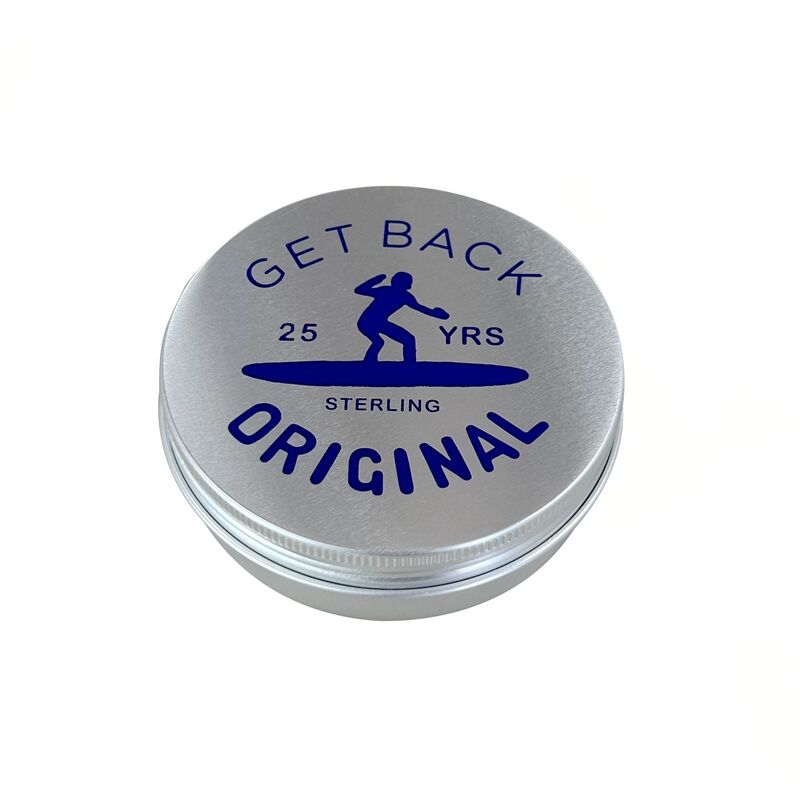
Understanding how to evaluate and choose a reliable custom tin box manufacturer requires examining multiple factors including production capabilities, quality control systems, communication standards, and long-term partnership potential. This comprehensive approach ensures that your custom tin box projects are executed with precision, delivered on schedule, and meet your exact specifications while maintaining cost-effectiveness throughout the manufacturing relationship.
Manufacturing Capabilities and Technical Expertise
Production Capacity Assessment
A reliable custom tin box manufacturer must demonstrate adequate production capacity to handle your current and future volume requirements. Evaluate their facility size, machinery specifications, and monthly production capabilities to ensure they can scale with your business growth. Request detailed information about their manufacturing equipment, including printing capabilities, embossing machinery, and finishing equipment that directly impacts custom tin box quality and customization options.
Production capacity extends beyond simple volume metrics to include flexibility in handling varying order sizes and seasonal demand fluctuations. A dependable manufacturer should maintain buffer capacity to accommodate rush orders while maintaining consistent quality standards across all custom tin box productions. Assess their ability to manage multiple projects simultaneously without compromising delivery schedules or quality benchmarks.
Technical Customization Capabilities
The technical expertise of a custom tin box manufacturer determines the range of customization options available for your projects. Examine their capabilities in areas such as multi-color printing, embossing, debossing, special coatings, and unique shape formations. Advanced manufacturers should offer comprehensive customization services including custom die-cutting, specialty finishes, and innovative closure mechanisms that enhance your product presentation.
Technical capabilities also encompass the manufacturer's ability to work with various tin materials, thicknesses, and surface treatments. A reliable partner should provide detailed technical specifications for different Custom Tin Box options, helping you select the most appropriate materials and construction methods for your specific application requirements while maintaining structural integrity and visual appeal.
Quality Control Systems and Certifications
Quality Assurance Processes
Comprehensive quality control systems distinguish reliable custom tin box manufacturers from less dependable alternatives. Investigate their quality assurance protocols, including incoming material inspection, in-process quality checks, and final product testing procedures. A trustworthy manufacturer should maintain detailed quality control documentation and provide regular quality reports throughout the production process.
Quality control extends to environmental testing capabilities, ensuring that custom tin box products meet safety standards and regulatory requirements for your target markets. Reliable manufacturers invest in testing equipment for durability assessments, coating adhesion tests, and food safety compliance when applicable. These quality systems protect your brand reputation and ensure consistent custom tin box performance across all production runs.
Industry Certifications and Standards
Professional certifications indicate a manufacturer's commitment to industry standards and best practices in custom tin box production. Look for relevant certifications such as ISO quality management systems, food safety certifications for food-grade applications, and environmental management certifications that demonstrate responsible manufacturing practices.
Industry certifications also reflect the manufacturer's investment in continuous improvement and adherence to international quality standards. These credentials provide assurance that your custom tin box manufacturer follows established protocols for quality management, environmental responsibility, and worker safety, reducing risks associated with production partnerships and regulatory compliance.
Communication and Customer Service Standards
Project Management and Communication Protocols
Effective communication forms the foundation of successful custom tin box manufacturing relationships. Evaluate the manufacturer's project management systems, including their ability to provide regular production updates, timeline notifications, and proactive problem resolution. Reliable manufacturers assign dedicated project managers who serve as single points of contact throughout the custom tin box development and production process.
Communication protocols should include clear procedures for design approval, sample review, and production milestone reporting. A dependable manufacturer maintains transparent communication channels, responds promptly to inquiries, and provides detailed documentation for all project phases. These communication standards prevent misunderstandings and ensure that your custom tin box specifications are accurately interpreted and executed.
Technical Support and Design Assistance
Professional custom tin box manufacturers offer comprehensive technical support throughout the design and production process. This includes design optimization recommendations, material selection guidance, and feasibility assessments for complex customization requirements. Experienced manufacturers provide valuable insights that can improve your custom tin box design while optimizing production efficiency and cost-effectiveness.
Design assistance services demonstrate the manufacturer's expertise and commitment to project success. Look for partners who offer computer-aided design capabilities, 3D modeling services, and prototype development to visualize your custom tin box concepts before full production. This technical support reduces design iterations and ensures that final products meet your exact specifications and performance requirements.
Financial Stability and Business Practices
Financial Assessment and Business Longevity
The financial stability of your custom tin box manufacturer directly impacts project continuity and long-term partnership viability. Research their business history, financial health indicators, and market reputation to assess their ability to maintain operations and honor contractual commitments. Established manufacturers with proven track records provide greater assurance for ongoing custom tin box supply requirements.
Business longevity considerations include evaluating the manufacturer's investment in facility improvements, technology upgrades, and workforce development. These investments indicate commitment to long-term operations and continuous improvement in custom tin box manufacturing capabilities. Financial stability also ensures consistent material sourcing and maintains quality standards throughout economic fluctuations.
Pricing Transparency and Payment Terms
Transparent pricing structures and fair payment terms characterize reputable custom tin box manufacturers. Request detailed cost breakdowns that include material costs, tooling expenses, setup fees, and any additional charges for customization services. Clear pricing helps you evaluate the total cost of ownership and make informed decisions about custom tin box sourcing strategies.
Payment terms should reflect industry standards while accommodating your business cash flow requirements. Reliable manufacturers offer reasonable payment schedules and maintain consistent pricing structures that protect against unexpected cost increases during production. These financial practices build trust and facilitate long-term partnerships for ongoing custom tin box requirements.
Logistics and Supply Chain Management
Delivery Performance and Logistics Capabilities
Consistent delivery performance represents a critical factor in choosing a reliable custom tin box manufacturer. Evaluate their historical on-time delivery rates, shipping capabilities, and logistics network to ensure they can meet your distribution requirements. Professional manufacturers maintain robust supply chain management systems that track production progress and coordinate delivery schedules with your business needs.
Logistics capabilities should include flexible shipping options, international shipping expertise when required, and adequate packaging protection for custom tin box products during transit. Reliable manufacturers work with established freight partners and provide tracking information throughout the shipping process. These logistics services ensure that your custom tin box orders arrive safely and on schedule at designated destinations.
Inventory Management and Supply Chain Resilience
Effective inventory management systems enable custom tin box manufacturers to maintain consistent material availability and respond quickly to order requests. Assess their raw material sourcing strategies, supplier relationships, and inventory buffer policies that protect against supply disruptions. Resilient manufacturers maintain diversified supplier networks and strategic material reserves to ensure uninterrupted custom tin box production.
Supply chain resilience includes contingency planning for potential disruptions and alternative sourcing options when primary suppliers experience difficulties. Professional manufacturers develop risk mitigation strategies that protect your custom tin box delivery schedules while maintaining quality standards throughout supply chain challenges. This resilience provides confidence in long-term manufacturing partnerships and consistent product availability.
FAQ
What minimum order quantities should I expect from custom tin box manufacturers?
Most reliable custom tin box manufacturers require minimum order quantities ranging from 1,000 to 5,000 pieces per design, depending on customization complexity and tooling requirements. However, established manufacturers often offer lower minimums for repeat customers or simple designs, while complex customizations may require higher minimums to justify tooling costs and setup expenses.
How long does the typical custom tin box production process take from design to delivery?
The standard custom tin box production timeline ranges from 15 to 30 days after design approval and tooling completion, depending on order quantity, customization complexity, and current production schedules. Initial tooling and sample development typically add 7 to 14 days to the overall timeline, while rush orders may be accommodated with expedited scheduling at additional cost.
What documentation should I request from potential custom tin box manufacturers?
Request comprehensive documentation including business licenses, quality certifications, production capability specifications, client references, and detailed quotations with clear terms and conditions. Additionally, ask for samples of previous work, facility photographs, and quality control procedures documentation to thoroughly evaluate the manufacturer's capabilities and professionalism before making your selection decision.
How can I verify the quality standards of a custom tin box manufacturer before placing an order?
Verify quality standards through multiple approaches including requesting physical samples, conducting facility visits or virtual tours, reviewing client testimonials and case studies, and examining their quality control documentation and certifications. Additionally, start with smaller test orders to evaluate their actual production quality, delivery performance, and customer service standards before committing to larger volume agreements.
Table of Contents
- Manufacturing Capabilities and Technical Expertise
- Quality Control Systems and Certifications
- Communication and Customer Service Standards
- Financial Stability and Business Practices
- Logistics and Supply Chain Management
-
FAQ
- What minimum order quantities should I expect from custom tin box manufacturers?
- How long does the typical custom tin box production process take from design to delivery?
- What documentation should I request from potential custom tin box manufacturers?
- How can I verify the quality standards of a custom tin box manufacturer before placing an order?