
 EN
EN
 AR
AR BG
BG HR
HR CS
CS DA
DA NL
NL FI
FI FR
FR DE
DE EL
EL IT
IT JA
JA KO
KO NO
NO PL
PL PT
PT RO
RO RU
RU ES
ES SV
SV CA
CA IW
IW ID
ID LV
LV LT
LT SR
SR SK
SK SL
SL UK
UK VI
VI SQ
SQ HU
HU TR
TR FA
FA MS
MS GA
GA CY
CY LA
LA
Understanding the true cost of a Custom Tin Box requires insight into the multiple variables that manufacturers and suppliers consider during production. Whether you're sourcing packaging for cosmetics, confectionery, electronics, or promotional merchandise, the pricing structure for custom tin boxes reflects material quality, design complexity, production volume, and finishing options. Unlike off-the-shelf packaging, a Custom Tin Box order involves customization at every stage, from initial design conception through final quality inspection. Understanding these pricing factors helps you make informed procurement decisions and negotiate better terms with suppliers.
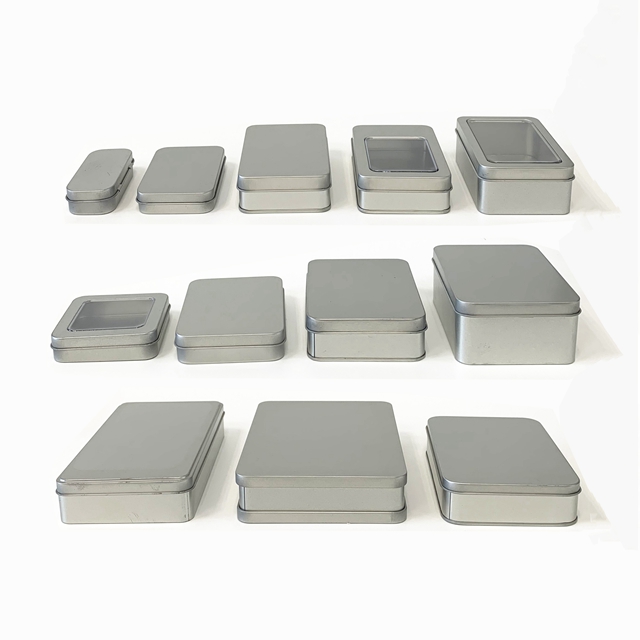
The cost dynamics of custom tin box production differ significantly from standard packaging due to tooling requirements, material sourcing, and labor-intensive finishing processes. For businesses planning bulk orders, recognizing how each factor contributes to the final unit price enables better budgeting and supply chain planning. This breakdown examines the core cost drivers that shape Custom Tin Box pricing in today's industrial packaging market.
Material Selection and Its Impact on Custom Tin Box Costs
Tin Gauge and Thickness Specifications
The gauge of tin used in your Custom Tin Box directly determines material expense and structural durability. Thinner gauges cost less per unit but offer reduced rigidity and lower perceived quality, while thicker tin increases material cost but enhances product protection and premium feel. Most Custom Tin Box manufacturers offer gauges ranging from 0.25mm to 0.5mm, with thicker options commanding 15 to 25 percent cost premiums. Your selection depends on product weight, transport distance, and brand positioning. A Custom Tin Box holding lightweight items like mints may justify thinner material, whereas electronics packaging demands heavier gauge protection.
Alloy Composition and Material Grade
Tin is rarely used in pure form for Custom Tin Box production. Instead, manufacturers blend tin with steel, aluminum, or other metals to achieve cost efficiency and specific performance characteristics. The alloy composition directly affects both material cost and the Custom Tin Box's final properties such as corrosion resistance, malleability, and weight. Premium alloy blends cost more but reduce rust formation over extended storage, making them ideal for export shipments or humid-climate applications. Budget-conscious Custom Tin Box orders often use lower-grade alloys that sacrifice long-term durability for immediate cost savings. Understanding the alloy makeup ensures your Custom Tin Box meets durability expectations without overpaying for unnecessary material upgrades.
Design Complexity and Tooling Investments for Custom Tin Box
Die Tooling and Setup Fees
Every Custom Tin Box design requires dedicated tooling to form, cut, and shape the tin material. Die-cutting tools represent significant upfront investment, typically ranging from five hundred to three thousand dollars depending on shape complexity. These tooling costs are amortized across your total order volume, meaning smaller Custom Tin Box orders spread the tooling expense over fewer units, raising per-unit cost substantially. Larger orders, typically one hundred thousand units or more, distribute tooling costs so thinly that per-unit prices drop dramatically. This economies-of-scale principle makes volume a critical pricing lever. Many suppliers offer tiered pricing models where Custom Tin Box costs decrease progressively at specific order thresholds, incentivizing larger commitments.
Shape and Structural Complexity
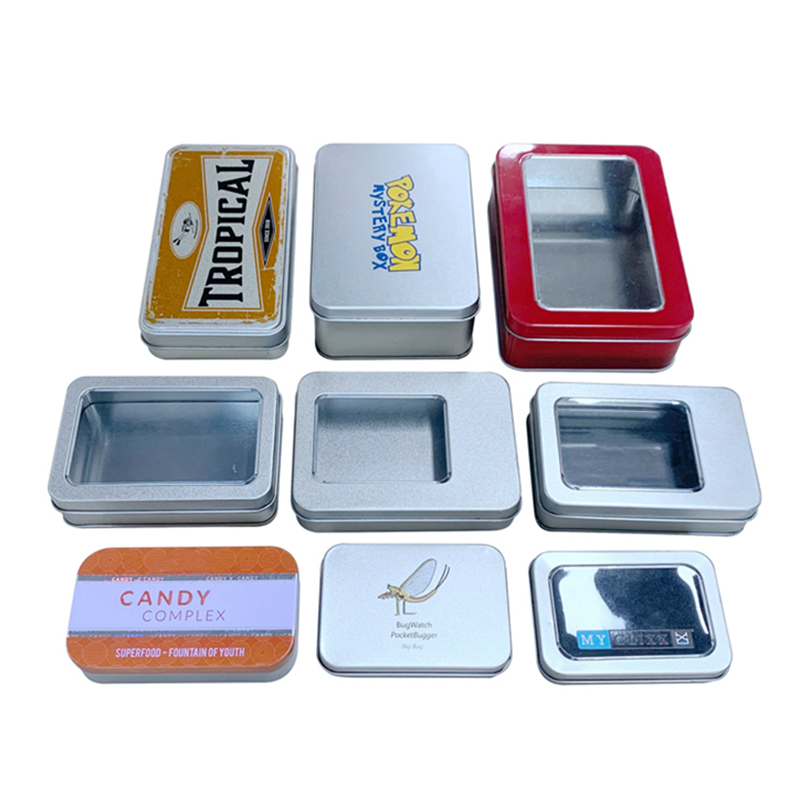
Standard rectangular or square Custom Tin Box designs cost significantly less than custom shapes featuring curves, embossed elements, hinged lids, or compartmented interiors. Each design feature adds manufacturing steps, increases scrap rates, and demands precise calibration. A simple rectangular Custom Tin Box might require one tool station, while a Custom Tin Box with embossed branding, multiple compartments, and a snap-fit lid requires four to six stations. Complex geometries also increase material waste during cutting and forming, raising per-unit material consumption. Designers seeking cost-effective Custom Tin Box options often simplify geometry or consolidate features to reduce tooling complexity and production risk.
Production Volume and Economies of Scale for Custom Tin Box
Minimum Order Quantities and Per-Unit Pricing
Custom Tin Box suppliers establish minimum order quantities (MOQs) to justify tooling and production setup costs. MOQs typically range from ten thousand to fifty thousand units, with some specialized Custom Tin Box manufacturers accepting lower volumes at premium rates. When ordering below the standard MOQ threshold, expect per-unit costs to increase by thirty to one hundred percent compared to full-MOQ pricing. As order volume climbs above the MOQ baseline, per-unit Custom Tin Box costs decline through labor productivity gains, material bulk discounts, and fixed-cost amortization. Understanding your supplier's MOQ structure and volume tier breaks allows you to optimize order timing and quantities. Consolidating multiple smaller orders into one larger Custom Tin Box batch frequently unlocks significant per-unit savings.
Production Scheduling and Lead Time Premiums
Rush Custom Tin Box orders command expedited production fees, typically adding fifteen to forty percent to standard pricing. Standard lead times range from six to twelve weeks, allowing manufacturers to batch orders efficiently and optimize production schedules. Accelerated Custom Tin Box production requires overtime labor, priority tooling access, and disruption to scheduled manufacturing sequences. Conversely, longer lead times and flexible scheduling windows enable manufacturers to negotiate better material pricing and consolidate production runs, potentially reducing Custom Tin Box costs by five to ten percent. Advance planning and realistic delivery expectations directly influence your procurement budget.
Finishing Options and Decoration Methods Affecting Custom Tin Box Pricing
Printing Technologies and Color Specifications
Printing quality dramatically affects Custom Tin Box cost structure. Offset printing, the industry standard for Custom Tin Box branding, involves color separation, plate creation, and multi-pass ink application. Four-color process printing on a Custom Tin Box costs more than spot-color designs but delivers photorealistic results. Full-bleed or edge-to-edge printing on a Custom Tin Box requires additional masking and setup compared to centered logo placement. Digital printing offers fast turnaround for Custom Tin Box orders but carries higher per-unit costs and limited color fidelity compared to offset methods. Your Custom Tin Box printing choice hinges on brand aesthetic, volume requirements, and delivery timeline. Designs with fewer colors or concentrated logo placement keep Custom Tin Box decoration costs lower.
Surface Finishes and Protective Coatings
Beyond printing, protective and decorative surface finishes add value and cost to Custom Tin Box production. Matte finishes on Custom Tin Box surfaces typically cost less than glossy or specialty finishes like varnish, embossing, or metallic coating. Varnish layers on Custom Tin Box protect printed graphics from abrasion and moisture, extending shelf life but increasing per-unit expense by ten to twenty percent. Embossed logos or textures on Custom Tin Box elevate premium positioning but require additional tooling and pressing stages. Electroplating or metallic coating on Custom Tin Box creates luxury aesthetics at substantial cost premiums. Selecting finishes strategically—prioritizing only those that directly support brand differentiation or functional protection—optimizes Custom Tin Box value without unnecessary expense.
Additional Cost Variables and Operational Considerations
Quality Control and Inspection Standards
Rigorous quality assurance procedures for Custom Tin Box orders increase production costs but prevent costly defects and brand damage. Third-party inspection, laboratory testing, and statistical process control on Custom Tin Box shipments add five to ten percent to manufacturing expense. Custom Tin Box orders destined for premium markets or regulated industries may require additional compliance documentation and certification, raising costs further. Conversely, accepting higher defect rates reduces Custom Tin Box inspection overhead but risks customer returns and reputational harm. Defining clear quality standards upfront and aligning them with actual market requirements prevents over-specification of Custom Tin Box quality controls.
Logistics, Packaging, and Shipping Expenses
The final cost layer for Custom Tin Box orders includes outbound packaging, palletization, and international freight. Protective inner packaging within Custom Tin Box shipments, secondary carton packaging, and pallet wrapping add material and labor to landed costs. For Custom Tin Box orders shipped internationally, freight class, destination region, and customs documentation affect total delivered price. Regional suppliers may offer cost advantages over distant manufacturers by reducing Custom Tin Box transportation distances and lead times. Evaluating total cost of ownership—not just factory price—ensures accurate Custom Tin Box procurement decisions.
FAQ
What factors most significantly drive Custom Tin Box pricing?
Material gauge, order volume, tooling complexity, and production lead time represent the four largest cost drivers for Custom Tin Box procurement. Large orders above the MOQ threshold benefit from material discounts and lower per-unit tooling amortization, making Custom Tin Box pricing substantially lower than small-volume orders. Design simplicity reduces Custom Tin Box tooling requirements, while flexible delivery timelines enable negotiation of lower Custom Tin Box rates.
How does order volume influence per-unit Custom Tin Box costs?
Order volume directly impacts Custom Tin Box pricing through economies of scale. Reaching the MOQ threshold for your Custom Tin Box design unlocks baseline pricing, while orders two to three times the MOQ typically receive volume discounts of ten to twenty percent. Very large Custom Tin Box orders exceeding one hundred thousand units may secure thirty to fifty percent discounts compared to minimum-quantity pricing. Planning for larger consolidated orders allows you to maximize Custom Tin Box cost efficiency.
Can Custom Tin Box costs be reduced without compromising quality?
Yes, strategic design optimization reduces Custom Tin Box costs while maintaining functionality and aesthetics. Simplifying shapes, reducing color counts in printing, selecting standard finishes instead of specialty coatings, and planning flexible timelines all lower Custom Tin Box expenses. Advance ordering and consolidating multiple small requirements into one larger Custom Tin Box batch also achieve cost reductions through volume leverage and optimized production scheduling.
Table of Contents
- Material Selection and Its Impact on Custom Tin Box Costs
- Design Complexity and Tooling Investments for Custom Tin Box
- Production Volume and Economies of Scale for Custom Tin Box
- Finishing Options and Decoration Methods Affecting Custom Tin Box Pricing
- Additional Cost Variables and Operational Considerations
- FAQ