
 EN
EN
 AR
AR BG
BG HR
HR CS
CS DA
DA NL
NL FI
FI FR
FR DE
DE EL
EL IT
IT JA
JA KO
KO NO
NO PL
PL PT
PT RO
RO RU
RU ES
ES SV
SV CA
CA IW
IW ID
ID LV
LV LT
LT SR
SR SK
SK SL
SL UK
UK VI
VI SQ
SQ HU
HU TR
TR FA
FA MS
MS GA
GA CY
CY LA
LA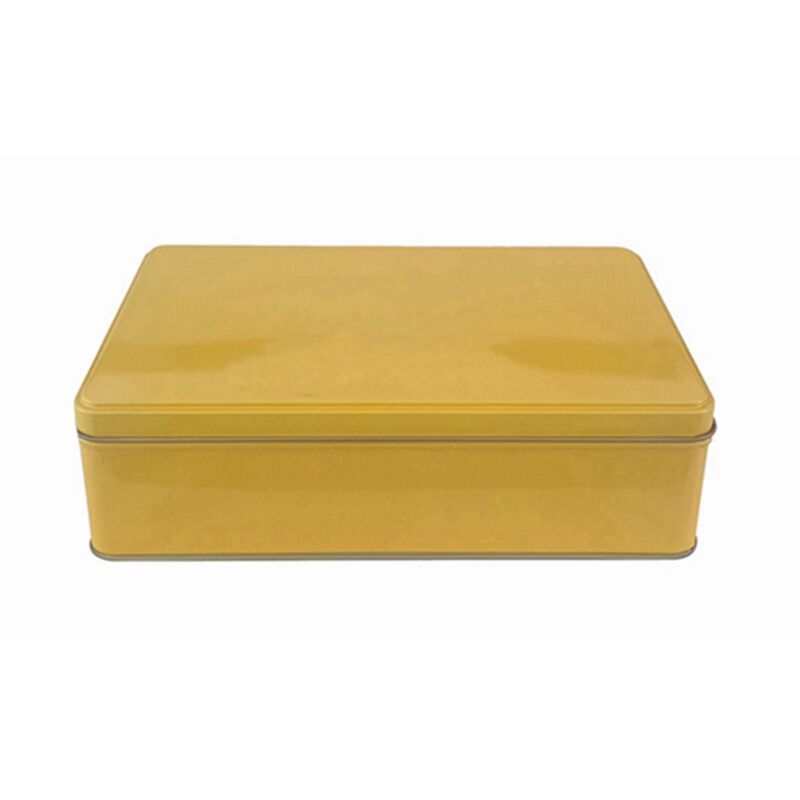
The humble sewing kit has accompanied households, travelers, and professionals through centuries of social and industrial transformation. What began as a collection of needles, thread, and buttons stored in ornamental wooden boxes eventually found its most iconic form in the compact, durable tin case. This metallic vessel not only revolutionized how people carried and organized their mending tools but also became a cultural artifact that reflected manufacturing progress, consumer behavior, and evolving lifestyle needs. Understanding the evolution from tin case storage to modern bag-based sewing kits reveals much about material innovation, portability demands, and the ongoing tension between durability and convenience in product design.
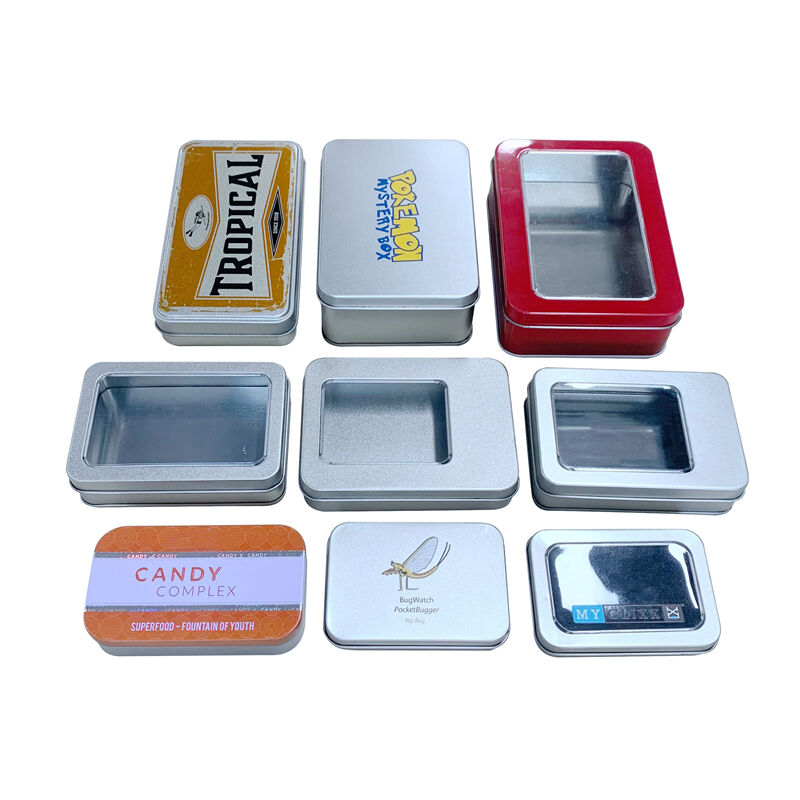
The shift from rigid metal containers to flexible fabric pouches represents more than aesthetic preference—it embodies changing manufacturing capabilities, material science breakthroughs, and fundamental shifts in how consumers prioritize protection versus accessibility. The tin case era established standards for compartmentalization and protective storage that continue to influence modern sewing kit design, even as synthetic materials and ergonomic considerations push the industry toward hybrid solutions. This evolution mirrors broader industrial trends where traditional materials face competition from lighter, cheaper alternatives while retaining niche appeal among quality-focused users who value the heritage and protective qualities that only metal enclosures can provide.
The Rise of Metal Storage in Household Organization
Pre-Industrial Sewing Tool Storage Methods
Before the widespread adoption of the tin case format, sewing supplies occupied a variety of containers dictated by available materials and craft traditions. Wealthy households maintained elaborate wooden sewing boxes with multiple compartments, often featuring intricate inlay work and velvet lining. These decorative pieces served dual purposes as functional storage and status symbols, displayed prominently in parlors and drawing rooms. Middle-class families relied on simpler wooden boxes or repurposed ceramic containers, while working-class households often stored needles and thread in cloth pouches or paper envelopes tucked into larger storage chests.
The limitation of these pre-industrial storage methods centered on durability and standardization. Wooden boxes suffered from moisture damage, insect infestation, and dimensional instability as they aged. Cloth pouches offered minimal protection against crushing or moisture, leading to rusted needles and tangled thread. Ceramic containers, while moisture-resistant, were fragile and impractical for travel. The absence of standardized sizing meant that sewing tools often rattled loosely within oversized containers or became crushed in undersized ones. These practical shortcomings created market demand for a storage solution that combined protection, portability, and affordability—a need that metal manufacturing would eventually address through the development of the pressed tin case.
Industrial Revolution and Metal Working Capabilities
The emergence of mechanized metal stamping and tinplate production during the mid-19th century created unprecedented opportunities for consumer product innovation. Tinplate—steel sheets coated with a thin layer of tin to prevent corrosion—could be cut, formed, and assembled into watertight containers at speeds and costs impossible with traditional materials. Early adopters of tin case manufacturing included food preservation companies, tobacco producers, and pharmaceutical suppliers who recognized the protective qualities of metal packaging. The same production techniques that created airtight food containers translated seamlessly to sewing kit applications, where protection from moisture and mechanical damage proved equally valuable.
Manufacturing advances allowed tin case producers to incorporate features specifically beneficial for sewing supply organization. Pressed indentations created dedicated spaces for spools, needle cards, and button compartments without requiring separate dividers. Lithographic printing technology enabled decorative designs to be applied directly to the tin case surface, transforming functional containers into attractive gift items and retail products. The ability to produce consistent dimensions meant that manufacturers could design internal components—thread spools, needle books, and thimbles—to fit precisely within standardized tin case formats. This integration of container and contents established a product category that would dominate the sewing kit market for nearly a century.
Market Adoption and Cultural Integration
The tin case sewing kit achieved widespread market penetration through multiple distribution channels simultaneously. Retailers sold branded sewing kits as complete units, while component suppliers offered empty tin cases for consumers who preferred to customize their tool selection. Hotels began providing complementary tin case sewing kits as guest amenities, establishing an association between metal containers and travel convenience that persisted for decades. Military procurement officers specified tin case formats for soldier field kits, recognizing that metal construction withstood the rigors of combat deployment better than fabric alternatives.
Cultural acceptance of the Tin Case format extended beyond purely functional considerations. The distinctive snap-closure sound of a quality metal lid became psychologically associated with security and completeness—a sensory confirmation that contents were properly secured. Decorative lithography allowed tin case exteriors to serve as miniature canvases for holiday themes, floral patterns, and brand messaging, making these containers collectible items that transcended their utilitarian purpose. Families passed down ornate tin cases through generations, with the containers themselves often outlasting their original contents. This emotional connection to metal packaging created brand loyalty that manufacturers leveraged through limited edition designs and premium finishing techniques.
Technical Advantages That Defined the Tin Case Era
Moisture and Contamination Resistance
The primary technical superiority of the tin case format lay in its ability to create a moisture-resistant barrier between contents and environment. Steel needles and pins, essential components of any sewing kit, corrode rapidly when exposed to humidity, rendering them useless for precision work. The crimped seam construction and tight-fitting lids of quality tin cases created an effective seal that maintained lower internal humidity levels even in damp storage conditions. This protective capability proved particularly valuable in coastal regions, tropical climates, and maritime applications where fabric pouches failed to prevent oxidation and degradation.
Beyond moisture protection, tin case construction prevented contamination from dust, insects, and accidental spills. Thread stored in sealed metal containers maintained its color intensity and tensile strength far longer than thread exposed to ultraviolet light in transparent containers or open storage. Buttons and fasteners remained clean and ready for use rather than accumulating the grime that inevitably coated items stored in porous materials. For professional seamstresses and tailors whose livelihoods depended on tool reliability, the tin case format represented a sound investment that reduced replacement costs and workflow interruptions caused by degraded supplies.
Structural Protection During Transport
The rigid structure of a well-constructed tin case provided crush resistance that fabric alternatives could not match. When packed in luggage, placed in pockets, or stored in crowded drawers, metal containers maintained their shape and protected delicate contents from compressive forces. This structural integrity proved essential for protecting precision tools like measuring tapes with spring mechanisms, needle threaders with fine wire components, and scissors with aligned cutting edges. The tin case format allowed travelers to pack sewing supplies confidently alongside heavier items without risk of damage.
Impact resistance represented another critical advantage in an era when luggage handling was considerably rougher than modern standards. Dropped tin cases might dent but rarely opened unexpectedly, whereas fabric closures often failed under similar stress. The psychological confidence that metal packaging provided encouraged users to actually carry sewing supplies rather than leaving them at home—a behavioral shift that manufacturers recognized and reinforced through marketing campaigns emphasizing durability and reliability. This perception of superior protection helped justify the higher retail price of tin case sewing kits compared to cloth-bag alternatives that emerged later.
Organizational Efficiency Through Fixed Compartments
The ability to incorporate molded or inserted dividers within a tin case created organizational possibilities unavailable in flexible containers. Dedicated spaces for specific items reduced search time and prevented the frustrating tangle of threads that plagued bag-based storage systems. Needle cards could be held securely against the lid interior, while button compartments kept fasteners sorted by size and style. This systematic organization appealed particularly to professional users who valued efficiency and predictability in their tool access.
Fixed compartment systems also educated users about sewing kit completeness. A well-designed tin case visually communicated what items belonged in each space, prompting users to restock depleted supplies and maintain kit readiness. This built-in inventory management feature proved valuable in institutional settings—hotels, military units, and schools—where standardized kit contents simplified procurement and inspection processes. The organizational framework established by classic tin case designs continues to influence modern sewing kit layouts, even when implemented in completely different materials.
Material Science and Manufacturing Transitions
Post-War Material Availability and Cost Pressures
The decades following World War II introduced significant disruptions to tin case manufacturing economics. Global tin supplies, concentrated in Southeast Asian mines, faced political instability and supply chain disruptions that drove raw material costs upward. Simultaneously, the development of synthetic polymers created new material options with attractive cost profiles and processing characteristics. Injection-molded plastic cases could be produced at higher speeds with lower tooling costs than stamped metal, while achieving comparable moisture resistance through modern gasket designs.
Steel price volatility further pressured tin case manufacturers as the packaging industry shifted toward aluminum alternatives for food and beverage applications. This migration reduced the economies of scale that had made tinplate affordable for consumer goods manufacturers. Companies producing sewing kits faced a strategic decision: invest in retooling for plastic production, accept higher material costs to maintain metal construction, or explore hybrid approaches that combined materials to balance cost and performance. Different manufacturers chose different paths, creating market segmentation between premium metal products and budget-friendly plastic alternatives.
Emergence of Synthetic Fabric Technologies
The development of durable synthetic fabrics in the 1960s and 1970s introduced a third material category that would eventually dominate portable sewing kit design. Nylon, polyester, and other engineered textiles offered water resistance approaching that of sealed tin cases while providing the flexibility and weight advantages of traditional cloth. Zipper technology improvements created reliable closures that could withstand thousands of cycles without failure, addressing the primary weakness of earlier fabric pouches.
Synthetic fabric bags enabled design innovations impossible with rigid containers. Roll-up configurations maximized storage density, allowing larger tool collections to fit in smaller spaces when compressed. Clear vinyl windows let users identify contents without opening the container, improving accessibility. Most significantly, fabric construction dramatically reduced production costs compared to metal fabrication, enabling mass-market price points that expanded the consumer base beyond traditional sewing enthusiasts to include casual users seeking basic repair capabilities.
Quality Perception and Brand Positioning Challenges
The transition away from tin case construction created brand positioning challenges for manufacturers. Decades of marketing had established metal containers as symbols of quality, durability, and thoughtful design. Shifting to plastic or fabric construction risked undermining these quality perceptions, particularly among older consumers who remembered the superiority of metal packaging over earlier cloth alternatives. Some manufacturers addressed this tension by maintaining metal construction for premium product lines while introducing plastic variants for budget segments, creating clear quality tiers within their product portfolios.
Other companies leaned into the practical advantages of modern materials, marketing fabric bags as innovative updates that eliminated the weight penalty and rust potential of metal while maintaining protective capabilities. These campaigns emphasized portability, highlighting scenarios where carrying a lightweight fabric kit in a purse or briefcase provided advantages over bulkier metal alternatives. The success of this repositioning depended heavily on convincing consumers that material technology had genuinely advanced rather than simply cheapened—a nuanced message that required substantial marketing investment to communicate effectively.
Contemporary Market Landscape and Consumer Preferences
Segmentation Between Functional and Collectible Products
Today's sewing kit market exhibits clear segmentation between products designed for active use and those purchased primarily for aesthetic or collectible appeal. Functional kits overwhelmingly utilize fabric construction, with manufacturers optimizing for weight, storage efficiency, and accessibility features like elastic loops, magnetic closures, and modular organization systems. These products target consumers seeking practical repair capabilities with minimal bulk, prioritizing convenience over heritage design elements.
Conversely, the tin case format persists in specialty markets where retro aesthetics, gift presentation, or collectibility drive purchasing decisions. Decorative metal containers featuring vintage lithography or licensed character designs command premium prices as desk accessories and impulse gift items. These products often contain minimal or low-quality sewing supplies, with the tin case itself representing the primary value proposition. Collectors actively seek vintage tin cases from defunct manufacturers, with rare designs fetching substantial prices in antique markets. This bifurcation demonstrates how the tin case has transitioned from functional packaging to cultural artifact, valued more for what it represents than what it contains.
Niche Applications Where Metal Construction Persists
Certain specialized applications continue to favor metal construction despite broader market trends toward alternative materials. Professional theatrical costume departments often maintain tin case sewing kits for touring productions, valuing the crush resistance and security that metal provides when equipment is repeatedly packed and transported. Industrial sewing operations use metal containers for precision tools that require protection from the lint, dust, and mechanical vibration present in factory environments. Military field kits sometimes specify metal construction for extreme-environment applications where temperature fluctuations and rough handling exceed the tolerance of plastic alternatives.
These niche applications share common requirements that align with traditional tin case strengths: need for maximum protection, acceptance of higher weight, and preference for long service life over disposability. Manufacturers serving these markets maintain tin case production capabilities even as they've discontinued metal formats in consumer product lines. The persistence of metal construction in demanding professional contexts validates the original technical advantages that drove tin case adoption, even as consumer preferences have shifted toward lighter and more affordable alternatives.
Sustainability Considerations and Material Lifecycle
Contemporary environmental awareness has introduced new factors into the material selection debate. Metal containers offer superior recyclability compared to mixed-material fabric bags containing plastic zippers, vinyl windows, and synthetic textiles that resist separation for recycling. A tin case at end-of-life can be simply tossed into steel recycling streams, where it will be efficiently reprocessed into new metal products. This clean recyclability appeals to environmentally conscious consumers who prioritize product lifecycle considerations in purchasing decisions.
However, the energy intensity of metal production and the transportation fuel penalty of heavier products complicate simple sustainability assessments. Lifecycle analyses suggest that fabric bags with extended service lives may have lower total environmental impact than metal alternatives despite inferior recyclability. The optimal environmental choice depends on usage patterns, with metal construction favored for products that will be kept and used for decades, while lightweight fabric proves more sustainable for products likely to be replaced as designs evolve or user needs change. This complexity prevents simple material recommendations, instead requiring manufacturers to understand their specific customer base and expected product lifecycle.
Design Innovation in Modern Sewing Storage Solutions
Hybrid Approaches Combining Multiple Materials
Contemporary sewing kit design increasingly embraces hybrid construction that combines materials to leverage the specific advantages of each. Some products feature rigid plastic bases that provide organizational structure similar to classic tin case compartmentalization, topped with fabric lids that fold flat for storage or expand to provide additional capacity. Others incorporate metal tins within fabric carriers, offering the protective benefits of metal for needles and sharp objects while maintaining overall lightweight construction.
These hybrid designs acknowledge that the all-metal tin case and all-fabric bag represent opposite ends of a performance spectrum, with optimal solutions often lying between extremes. A small metal tin protecting precision tools nested within a larger fabric organizer combines portability, protection, and capacity in ways that pure-material designs cannot match. Manufacturers pursuing this approach face higher production complexity but can differentiate products in crowded markets by offering genuinely improved functionality rather than just aesthetic variations on established formats.
Modular and Customizable Organization Systems
Modern consumers increasingly expect products that adapt to individual needs rather than forcing users to conform to manufacturer-determined configurations. Modular sewing kit designs allow users to select specific components and arrange them according to personal preferences and project requirements. Removable pouches, adjustable dividers, and interchangeable inserts enable customization impossible with fixed tin case compartments. This flexibility appeals particularly to serious hobbyists and professionals whose tool collections evolve as skills develop and project complexity increases.
Customizability also addresses the limitation of traditional complete kits that included items users never needed while omitting tools they actually wanted. Modular systems allow consumers to start with basic configurations and expand incrementally, spreading costs over time and ensuring that carried items reflect actual usage patterns. This approach aligns with broader consumer trends toward personalization and against one-size-fits-all solutions. The organizational philosophy pioneered by classic tin case designs—dedicated spaces for specific items—persists in these modern systems, now implemented through user-configured arrangements rather than manufacturer-fixed compartments.
Digital Integration and Smart Features
The frontier of sewing kit innovation involves integrating digital technologies that enhance traditional functions. Electronic needle threaders, LED-illuminated work areas, and battery-powered seam rippers represent functional upgrades that require power sources and circuitry incompatible with simple tin case construction. These integrated tools drive kit designs toward larger, more sophisticated formats that accommodate electronics alongside traditional implements.
Some manufacturers experiment with inventory tracking features, using RFID tags or smartphone apps to monitor supply levels and suggest restocking. While these smart features remain niche offerings, they indicate potential future directions where sewing kits evolve beyond pure storage solutions toward integrated systems that actively support the sewing process. Such innovations fundamentally change the product category from passive container to active tool, a transformation that the simple protective tin case could never accommodate but which its organizational principles continue to influence through digital implementation.
FAQ
Why did tin cases become the dominant format for sewing kits in the early 20th century?
Tin cases achieved market dominance through a combination of manufacturing economics and technical performance advantages. The industrialization of tinplate production made metal containers affordable for mass-market products just as consumer demand for portable sewing supplies increased. The tin case format provided superior moisture protection that prevented needle corrosion, offered crush resistance that protected delicate tools during transport, and enabled fixed compartment designs that improved organization. Additionally, lithographic printing technology allowed decorative designs that made utilitarian containers attractive enough to display, expanding their appeal beyond purely functional considerations. The sensory feedback of a metal lid closing securely also created psychological confidence in content protection that softer materials could not match.
What advantages do modern fabric sewing bags offer over traditional metal containers?
Contemporary fabric sewing bags provide significant practical advantages that address limitations of rigid metal construction. Weight reduction represents the most obvious benefit, with fabric kits weighing a fraction of equivalent metal versions, making them more practical for everyday carry in purses or travel bags. Flexible construction allows fabric bags to compress when partially full, reducing storage space requirements, while also enabling roll-up configurations that maximize packing efficiency. Modern synthetic fabrics achieve moisture resistance approaching that of sealed metal through engineered textile treatments and quality zipper closures. Fabric construction also enables design innovations like clear windows for content visibility, external pockets for frequently accessed items, and hanging loops for convenient storage—features impossible with rigid tin case formats.
Are vintage tin sewing cases still practical for actual use or purely collectible items?
Vintage tin cases retain genuine functional utility despite their age, though practical value depends on condition and intended use. Well-preserved examples with intact closures and minimal rust continue to provide excellent protection for sewing supplies, often outlasting modern plastic alternatives in durability. The fixed compartment systems in quality vintage tins offer organizational advantages that remain relevant for users who value systematic tool storage. However, vintage cases may lack features that contemporary users expect, such as dedicated scissors holders, elastic thread retainers, or transparent lid sections. Weight represents another practical consideration, with metal construction less suitable for frequent carrying than modern lightweight alternatives. Many users find optimal solutions by maintaining vintage tins for home workshop storage while using fabric kits for portable applications, thereby enjoying the aesthetic and protective qualities of metal without accepting mobility compromises.
How do manufacturers balance cost, durability, and environmental impact when selecting materials for modern sewing kits?
Material selection for contemporary sewing kits involves complex tradeoffs without universal optimal solutions. Manufacturers targeting premium markets may choose metal construction to signal quality and justify higher price points, accepting increased production costs and weight penalties in exchange for perceived value and superior protection. Mass-market producers typically favor fabric or plastic construction to achieve price points accessible to casual users, prioritizing affordability and weight reduction over maximum durability. Environmental considerations add another dimension, with metal offering superior recyclability but higher production energy costs compared to synthetic alternatives. Some companies adopt hybrid approaches, using recycled plastics or sustainable fabrics to balance environmental concerns with performance requirements. The optimal material choice ultimately depends on target customer priorities, expected product lifecycle, and brand positioning strategy rather than any inherent material superiority across all evaluation criteria.
Table of Contents
- The Rise of Metal Storage in Household Organization
- Technical Advantages That Defined the Tin Case Era
- Material Science and Manufacturing Transitions
- Contemporary Market Landscape and Consumer Preferences
- Design Innovation in Modern Sewing Storage Solutions
-
FAQ
- Why did tin cases become the dominant format for sewing kits in the early 20th century?
- What advantages do modern fabric sewing bags offer over traditional metal containers?
- Are vintage tin sewing cases still practical for actual use or purely collectible items?
- How do manufacturers balance cost, durability, and environmental impact when selecting materials for modern sewing kits?