
 EN
EN
 AR
AR BG
BG HR
HR CS
CS DA
DA NL
NL FI
FI FR
FR DE
DE EL
EL IT
IT JA
JA KO
KO NO
NO PL
PL PT
PT RO
RO RU
RU ES
ES SV
SV CA
CA IW
IW ID
ID LV
LV LT
LT SR
SR SK
SK SL
SL UK
UK VI
VI SQ
SQ HU
HU TR
TR FA
FA MS
MS GA
GA CY
CY LA
LA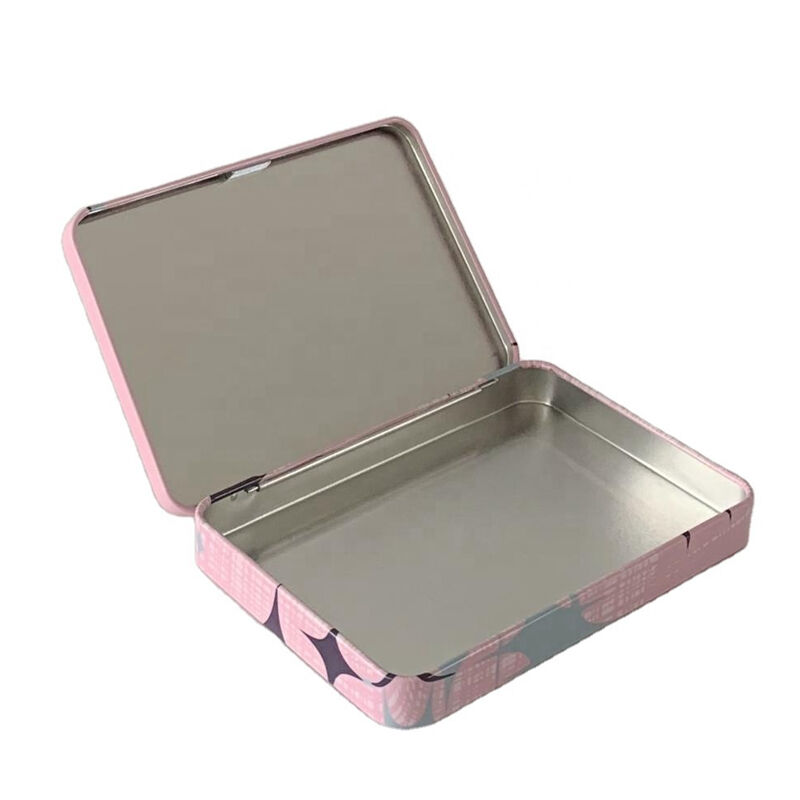
The evolution of tea storage containers represents one of the most fascinating intersections between commerce, craftsmanship, and cultural preservation. From the earliest wooden chests used by ancient traders to the sophisticated tea tin can designs we recognize today, these vessels have played a crucial role in maintaining tea quality while reflecting the artistic sensibilities of their respective eras. The journey of tea storage solutions mirrors the global expansion of tea culture itself, demonstrating how practical necessity often drives innovation in both form and function.
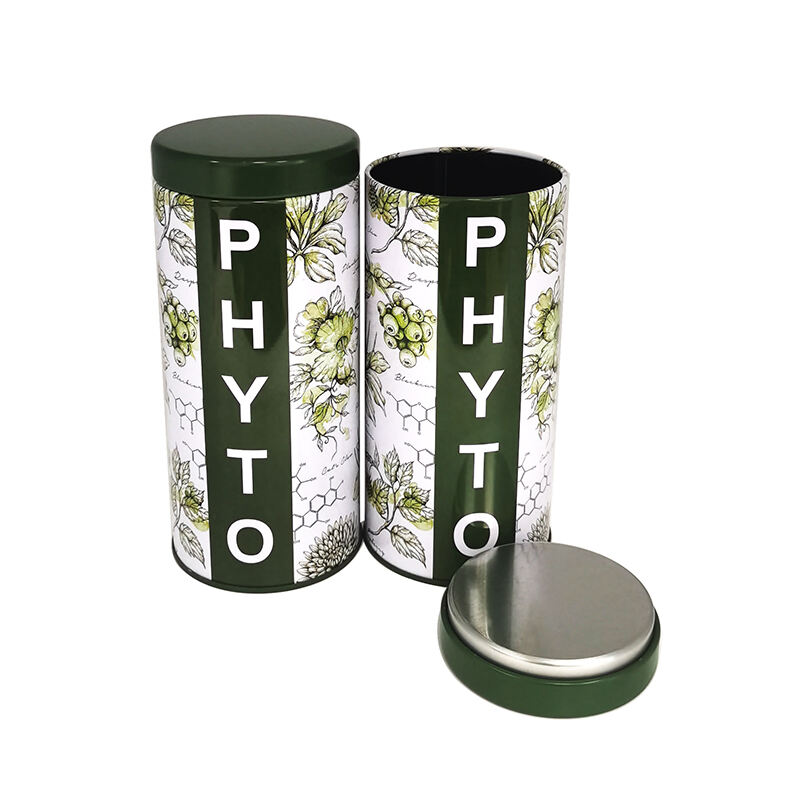
The Ancient Origins of Tea Storage
Early Chinese Tea Preservation Methods
Tea storage began in ancient China, where the precious leaves required protection from moisture, air, and light to maintain their delicate flavors and medicinal properties. Early Chinese tea merchants and scholars understood that proper storage was essential for preserving the investment in high-quality tea leaves. The first containers were typically made from bamboo, creating sealed environments that could protect tea during transport along the Silk Road trade routes.
These early storage solutions established fundamental principles that would influence tea container design for centuries. The Chinese developed sophisticated understanding of how different materials affected tea preservation, leading to innovations in sealing techniques and container construction. Porcelain vessels became popular among wealthy households, while common merchants relied on more practical bamboo and wooden containers for everyday storage needs.
Traditional Materials and Construction Techniques
The construction of early tea storage containers required specialized knowledge of materials science, even though craftsmen of the time may not have understood the scientific principles behind their work. Wooden containers were carefully selected from specific tree species known for their low moisture content and resistance to odor absorption. Cedar, sandalwood, and other aromatic woods were particularly prized for their natural preservation properties.
Artisans developed intricate joinery techniques that created airtight seals without relying on metal hardware or synthetic materials. These traditional methods often involved careful measurement of wood expansion and contraction, ensuring that containers would maintain their seal integrity across different seasonal conditions. The craftsmanship required for these early tea storage solutions represented significant investment in both time and skill.
European Adaptation and Innovation
The Introduction of Tea to European Markets
When tea first arrived in European markets during the 17th century, local craftsmen faced the challenge of adapting storage solutions to different climate conditions and available materials. European tea merchants quickly recognized that the humid maritime climates of ports like London and Amsterdam required more robust sealing mechanisms than traditional Chinese containers provided. This necessity drove innovation in European tea storage design.
British cabinetmakers began creating elaborate tea caddies that combined functional storage with decorative appeal suitable for European drawing rooms. These containers often featured multiple compartments for different tea varieties, reflecting the growing sophistication of European tea culture. The social importance of tea in European society meant that storage containers needed to serve both practical and ceremonial purposes.
The Rise of Decorative Tea Caddies
European tea caddies evolved into sophisticated pieces of furniture that demonstrated wealth and cultural refinement. Master craftsmen incorporated exotic wood inlays, silver fittings, and elaborate lock mechanisms that transformed functional storage into artistic statements. These decorative elements served practical purposes as well, since valuable tea leaves required security from theft and contamination.
The popularity of decorative tea caddies created entire industries around tea storage accessories. Specialized manufacturers developed reputations for particular styles or construction techniques, leading to regional variations in design and functionality. These variations reflected local preferences while maintaining the core requirements for effective tea preservation that had been established by earlier Chinese innovations.
Industrial Revolution and Mass Production
Technological Advances in Container Manufacturing
The Industrial Revolution fundamentally transformed tea storage through mechanized production methods and new material technologies. Steam-powered machinery enabled consistent manufacturing of container components, while advances in metallurgy provided access to materials that offered superior preservation properties. These technological developments made quality tea storage accessible to broader segments of society.
Mass production techniques allowed manufacturers to create standardized container sizes and sealing mechanisms, improving reliability while reducing costs. Factory production also enabled quality control measures that ensured consistent performance across large production runs. These improvements were particularly important for commercial tea distributors who needed reliable storage solutions for inventory management.
The Emergence of Metal Container Technology
Metal containers represented a revolutionary advancement in tea storage technology, offering superior barrier properties against moisture, air, and light penetration. Early metal tea containers were often hand-soldered tin-plated steel, requiring skilled craftsmen to create reliable seals. The development of mechanical crimping and seaming equipment during the mid-19th century enabled more efficient production of sealed metal containers.
The transition to metal containers coincided with improvements in tin-plating processes that provided better corrosion resistance and flavor protection. These technological advances made metal containers increasingly attractive to commercial tea packers who needed durable storage solutions for long-distance shipping and extended shelf life. The superior barrier properties of metal containers also enabled tea companies to maintain product quality during longer storage periods.
The Modern Tea Tin Can Era
20th Century Manufacturing Innovations
The 20th century brought significant innovations in tea tin can manufacturing through automated production lines and improved materials science. High-speed manufacturing equipment enabled precise control of container dimensions and sealing mechanisms, while advances in protective coatings enhanced flavor preservation and extended shelf life. These innovations made tea tin can storage solutions more affordable and accessible to consumers worldwide.
Modern manufacturing processes also enabled sophisticated printing and decorating techniques that transformed tea tin can containers into effective marketing tools. Advanced lithographic printing allowed tea companies to create visually appealing package designs that differentiated their products in competitive retail environments. These decorative capabilities combined practical storage benefits with brand recognition advantages.
Contemporary Design and Functionality
Today's tea tin can designs incorporate decades of materials science research and consumer behavior studies to optimize both preservation and user experience. Modern sealing technologies ensure extended freshness while providing convenient access for daily use. Contemporary manufacturing methods enable precise control of internal coatings that prevent flavor contamination while maintaining cost-effective production scales.
Current tea tin can innovations focus on sustainability considerations alongside traditional preservation requirements. Recyclable materials and reduced packaging waste have become important factors in container design, reflecting growing environmental awareness among consumers. These considerations have driven development of new materials and manufacturing processes that maintain preservation quality while reducing environmental impact.
Material Science and Preservation Technology
Understanding Barrier Properties
The science behind effective tea storage involves complex interactions between container materials and environmental factors that affect tea quality. Modern tea tin can containers utilize multiple barrier layers that provide protection against oxygen, moisture, and light while preventing flavor migration between different tea varieties. Understanding these barrier properties enables manufacturers to optimize container design for specific storage requirements.
Research into tea degradation mechanisms has revealed how different environmental factors contribute to quality loss over time. This scientific understanding guides material selection and container design decisions that maximize preservation effectiveness. The development of specialized protective coatings represents ongoing advancement in tea tin can technology that continues to improve storage performance.
Advanced Sealing Mechanisms
Contemporary tea tin can sealing technology incorporates precision engineering that creates reliable barriers against environmental contamination. Multiple sealing stages ensure redundant protection while maintaining user-friendly operation for daily access. Advanced manufacturing controls enable consistent seal quality across large production volumes, ensuring reliable preservation performance for consumers.
The development of tamper-evident sealing features has added security benefits to modern tea tin can designs while maintaining preservation effectiveness. These security features provide consumer confidence in product integrity while enabling manufacturers to track distribution and prevent counterfeiting. The integration of security and preservation functions demonstrates the sophisticated engineering behind contemporary container design.
Cultural Impact and Collectibility
Tea Containers as Cultural Artifacts
Throughout history, tea storage containers have served as cultural artifacts that reflect the social and economic conditions of their respective periods. Vintage tea tin can designs provide insights into historical marketing practices, artistic trends, and manufacturing capabilities that extend far beyond their original storage function. Museums and collectors recognize these containers as valuable cultural documents that preserve important aspects of commercial and social history.
The decorative elements of historical tea containers often incorporated cultural symbols and artistic motifs that resonated with contemporary consumers. These design choices provide modern researchers with insights into cultural values and aesthetic preferences of different historical periods. The preservation of these containers enables ongoing study of commercial design evolution and cultural expression through functional objects.
The Collector's Market for Vintage Tea Containers
The collectible market for vintage tea containers has created specialized expertise in authentication and valuation that recognizes both historical significance and artistic merit. Experienced collectors develop sophisticated understanding of manufacturing techniques, design evolution, and rarity factors that determine market value. This collector interest has contributed to preservation of historically significant containers that might otherwise have been discarded.
Contemporary tea tin can manufacturers sometimes create limited edition designs that appeal to collectors while serving practical storage needs. These modern collectible containers often incorporate traditional design elements that pay homage to historical tea storage aesthetics. The intersection of functional design and collectible appeal demonstrates the enduring cultural significance of tea storage containers.
Global Trade and Distribution Impact
Standardization in International Markets
The globalization of tea markets has driven standardization in tea tin can specifications to facilitate international trade and distribution. Standard container sizes and sealing specifications enable efficient shipping and handling across different transportation systems. This standardization has also simplified inventory management for international tea distributors while maintaining preservation quality standards.
International quality standards for tea tin can containers ensure consistent preservation performance regardless of manufacturing location. These standards address materials specifications, sealing requirements, and testing procedures that guarantee reliable storage capabilities. The development of global standards has facilitated international trade while protecting consumer interests in product quality and safety.
Regional Preferences and Customization
Despite standardization trends, regional preferences continue to influence tea tin can design and functionality in different global markets. Cultural preferences for container aesthetics, size options, and usage patterns require customization that reflects local consumer behavior. Successful international tea companies adapt their container designs to accommodate these regional preferences while maintaining core preservation capabilities.
The balance between standardization and customization represents ongoing challenges in global tea tin can manufacturing. Companies must optimize production efficiency while providing sufficient flexibility to meet diverse market requirements. This balance often drives innovation in manufacturing processes that enable cost-effective customization without compromising quality standards.
Environmental Considerations and Sustainability
Recycling and Waste Reduction
Modern environmental awareness has transformed approaches to tea tin can design and manufacturing with emphasis on recycling capabilities and waste reduction. Contemporary containers incorporate materials and construction methods that facilitate recycling while maintaining preservation performance. These environmental considerations have become important factors in consumer purchasing decisions and corporate sustainability initiatives.
The development of recyclable tea tin can designs requires careful material selection and construction techniques that enable efficient separation and processing in recycling facilities. Manufacturers have invested in research and development programs that identify environmentally responsible materials without compromising storage effectiveness. These initiatives demonstrate industry commitment to environmental stewardship while meeting consumer preservation needs.
Sustainable Manufacturing Practices
Sustainable manufacturing practices in tea tin can production focus on energy efficiency, waste reduction, and responsible material sourcing throughout the production process. Advanced manufacturing equipment enables precise material usage that minimizes waste while maintaining quality standards. These efficiency improvements often provide cost benefits alongside environmental advantages.
The integration of renewable energy sources in tea tin can manufacturing facilities represents ongoing commitment to environmental responsibility. Solar and wind power installations reduce carbon footprint while providing long-term cost stability for production operations. These sustainable practices often become competitive advantages that appeal to environmentally conscious consumers and business customers.
Future Trends and Innovations
Smart Packaging Technology Integration
Emerging smart packaging technologies offer potential enhancements to tea tin can functionality through integrated sensors and communication capabilities. These technologies could provide real-time monitoring of storage conditions and freshness indicators that help consumers optimize tea quality. The integration of smart features represents potential evolution in tea tin can design that maintains preservation capabilities while adding valuable functionality.
The development of smart tea tin can technologies requires careful consideration of cost factors and consumer acceptance alongside technical capabilities. Successful implementation will likely focus on features that provide clear value benefits without significantly increasing container costs. These innovations may initially target premium market segments before broader adoption becomes economically feasible.
Advanced Materials and Nanotechnology
Nanotechnology applications in tea tin can materials offer potential improvements in barrier properties, preservation effectiveness, and manufacturing efficiency. Advanced materials research continues to identify new compositions that provide superior protection while enabling innovative design possibilities. These material innovations could revolutionize tea storage capabilities while maintaining economic viability for mass production.
The application of nanotechnology in tea tin can manufacturing requires extensive testing and regulatory approval to ensure consumer safety and environmental responsibility. Research programs focus on materials that provide clear performance benefits while meeting stringent safety standards. These advanced materials may enable entirely new approaches to tea preservation that build upon centuries of storage technology evolution.
FAQ
What makes a tea tin can superior to other storage methods
A tea tin can provides superior barrier properties against oxygen, moisture, and light that are the primary causes of tea degradation. The metal construction creates an airtight seal that prevents flavor loss and maintains freshness for extended periods. Additionally, tea tin can containers offer durability and reusability that makes them cost-effective for long-term storage needs.
How should I properly care for and maintain my tea tin can
Proper maintenance of a tea tin can involves keeping the container clean and dry, ensuring the lid seals properly, and storing it in a cool, dry location away from direct sunlight. Periodic cleaning with mild soap and thorough drying prevents odor buildup and maintains sealing effectiveness. Inspect the container regularly for any damage that might compromise the airtight seal.
Can different types of tea be stored in the same tea tin can
While a tea tin can provides excellent storage capabilities, it's generally recommended to store different tea varieties in separate containers to prevent flavor mixing. Strong-flavored teas like Earl Grey or jasmine can transfer their characteristics to more delicate varieties. If you must share a container, ensure thorough cleaning between different tea types and consider using separate compartments if available.
How long can tea remain fresh when stored in a quality tea tin can
When properly stored in a high-quality tea tin can, most teas can maintain their flavor and quality for 18-24 months from the packaging date. Black teas generally have longer shelf life than green or white teas due to their oxidation levels. However, optimal flavor is usually maintained for 12-18 months, after which gradual quality decline may occur even with proper storage in a tea tin can.
Table of Contents
- The Ancient Origins of Tea Storage
- European Adaptation and Innovation
- Industrial Revolution and Mass Production
- The Modern Tea Tin Can Era
- Material Science and Preservation Technology
- Cultural Impact and Collectibility
- Global Trade and Distribution Impact
- Environmental Considerations and Sustainability
- Future Trends and Innovations
- FAQ