
 EN
EN
 AR
AR BG
BG HR
HR CS
CS DA
DA NL
NL FI
FI FR
FR DE
DE EL
EL IT
IT JA
JA KO
KO NO
NO PL
PL PT
PT RO
RO RU
RU ES
ES SV
SV CA
CA IW
IW ID
ID LV
LV LT
LT SR
SR SK
SK SL
SL UK
UK VI
VI SQ
SQ HU
HU TR
TR FA
FA MS
MS GA
GA CY
CY LA
LA
Creating a custom tin box involves a sophisticated manufacturing process that transforms your initial design concept into a functional, branded packaging solution. Understanding this process helps businesses make informed decisions about their packaging investments and ensures realistic expectations for timelines and outcomes. The journey from design to finished custom tin box requires careful coordination between design teams, manufacturing specialists, and quality control experts.
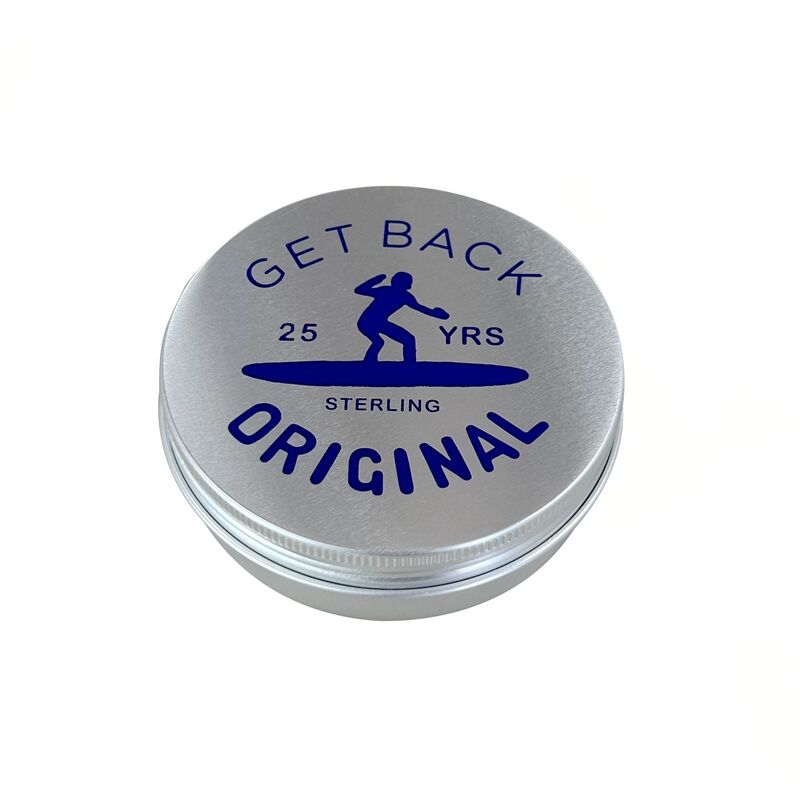
The custom tin box manufacturing process encompasses multiple stages, each requiring specific expertise and attention to detail. From initial design consultation through final quality inspection, every step contributes to the creation of packaging that meets both functional requirements and brand standards. This comprehensive process ensures that your vision becomes a tangible product that enhances your brand presence and protects your products effectively.
Design Development and Specification Phase
Initial Design Consultation and Requirements Gathering
The custom tin box process begins with a detailed consultation where manufacturers assess your specific requirements, brand guidelines, and functional needs. During this phase, designers review your existing brand materials, understand your target market, and identify any special features required for your product packaging. This initial assessment determines the feasibility of your design concepts and establishes the foundation for the entire manufacturing process.
Professional manufacturers conduct thorough discussions about dimensions, shapes, closure mechanisms, and any special features needed for your custom tin box. They evaluate how your design will translate into a physical product, considering factors like structural integrity, manufacturing constraints, and cost implications. This collaborative approach ensures that your vision aligns with practical manufacturing capabilities while maintaining design excellence.
Technical Drawing Creation and Design Refinement
Once requirements are established, technical teams create detailed engineering drawings that specify exact dimensions, tolerances, and construction details for your custom tin box. These technical drawings serve as blueprints for the manufacturing process, ensuring precision and consistency throughout production. Every measurement, angle, and component is carefully documented to prevent errors during manufacturing.
The design refinement process involves multiple iterations where manufacturers optimize your custom tin box design for both aesthetics and functionality. Engineers review structural elements, evaluate material efficiency, and ensure that the design meets industry standards for packaging performance. This iterative process balances creative vision with manufacturing practicality, resulting in a design that achieves your objectives while remaining cost-effective to produce.
Material Selection and Preparation
Tin Material Specification and Quality Standards
Material selection plays a crucial role in determining the quality and performance of your custom tin box. Manufacturers evaluate different tin alloys and thicknesses based on your specific requirements, considering factors like product protection needs, durability expectations, and cost parameters. The choice of tin material directly impacts the structural integrity, appearance, and longevity of your finished packaging.
Quality tin materials undergo rigorous testing to ensure they meet food safety standards, corrosion resistance requirements, and mechanical strength specifications. Manufacturers source materials from certified suppliers who provide documentation verifying material composition, purity levels, and compliance with relevant industry standards. This careful material selection ensures that your custom tin box will perform reliably throughout its intended lifespan.
Surface Treatment and Coating Preparation
Before printing or decorating, tin materials receive specialized surface treatments that optimize adhesion and enhance the final appearance of your custom tin box. These treatments remove any oils, oxidation, or contaminants that could interfere with subsequent processes. Surface preparation is critical for achieving consistent print quality and ensuring long-lasting graphics on your finished packaging.
Coating applications provide additional protection and create the ideal surface for graphic reproduction on your custom tin box. Manufacturers apply primers and base coats that enhance color vibrancy, improve scratch resistance, and provide a smooth foundation for detailed graphics. These preparatory coatings are formulated specifically for tin substrates, ensuring optimal performance and appearance retention over time.
Printing and Graphic Application
Digital Artwork Processing and Color Matching
The printing phase begins with professional processing of your digital artwork, where graphic specialists optimize files for tin printing requirements. This process involves color separation, resolution enhancement, and format conversion to ensure your graphics reproduce accurately on the curved surfaces of your custom tin box. Color matching specialists use advanced spectrophotometry to achieve precise color reproduction that matches your brand standards.
Proofing processes verify color accuracy and graphic quality before full production begins on your custom tin box order. Manufacturers create physical samples that demonstrate how your graphics will appear on the actual tin material, allowing for any necessary adjustments before committing to full production runs. This careful proofing ensures that the final product meets your expectations for color fidelity and graphic clarity.
Advanced Printing Techniques and Quality Control
Modern custom tin box production employs sophisticated printing technologies that deliver exceptional graphic quality and durability. Advanced printing presses use specialized inks formulated for metal substrates, ensuring excellent adhesion, fade resistance, and mechanical durability. These printing systems can reproduce fine details, gradients, and complex graphics with remarkable precision and consistency.
Quality control measures throughout the printing process monitor color consistency, registration accuracy, and graphic clarity on each custom tin box. Automated inspection systems detect any variations or defects, ensuring that only products meeting strict quality standards proceed to subsequent manufacturing stages. This comprehensive quality control maintains the high standards expected for professional packaging applications.
Forming and Assembly Operations
Precision Cutting and Shaping Processes
The forming stage transforms printed tin sheets into the three-dimensional structure of your custom tin box through precision cutting and shaping operations. Computer-controlled cutting equipment ensures accurate dimensions and clean edges, while specialized forming tools create the curves, corners, and joints that define your package shape. This mechanical forming process requires careful control to prevent damage to printed surfaces while achieving precise dimensional accuracy.
Progressive forming operations gradually shape the tin material into the final custom tin box configuration, using multiple stations to distribute forming stresses and maintain graphic integrity. Each forming operation is carefully calibrated to achieve the desired shape while preserving the structural properties of the tin material. This systematic approach ensures consistent results across large production runs while maintaining the quality standards expected for professional packaging.
Seaming and Joint Construction
Joint construction represents a critical aspect of custom tin box manufacturing, where individual components are assembled into complete packages. Specialized seaming equipment creates secure, leak-resistant joints that maintain structural integrity while providing an attractive finished appearance. These joints must withstand handling stresses, temperature variations, and other environmental factors throughout the package lifecycle.
Assembly operations coordinate the integration of lids, bodies, and any special features included in your custom tin box design. Precision tooling ensures proper fit and alignment of all components, while quality control measures verify that each assembly meets dimensional and functional requirements. This careful assembly process guarantees that your finished packaging will perform reliably in real-world applications.
Final Finishing and Quality Assurance
Protective Coating Application
The final finishing phase applies protective coatings that enhance the durability and appearance of your custom tin box. These coatings provide scratch resistance, chemical protection, and enhanced gloss levels that elevate the perceived quality of your packaging. Coating application requires precise control of thickness, coverage, and curing conditions to achieve optimal performance characteristics.
Specialized finishing techniques can add texture, special effects, or additional protection to specific areas of your custom tin box. These finishing options allow for creative differentiation while providing functional benefits like improved grip, enhanced visual appeal, or specific performance characteristics. The choice of finishing treatments depends on your application requirements and desired aesthetic outcomes.
Comprehensive Quality Testing and Inspection
Quality assurance procedures verify that each custom tin box meets all specified requirements for dimensions, functionality, and appearance. Testing protocols evaluate structural integrity, closure performance, and resistance to various environmental conditions. These comprehensive tests ensure that your packaging will perform reliably throughout its intended service life.
Final inspection processes examine every aspect of your custom tin box, from graphic quality and color accuracy to mechanical function and overall appearance. Statistical quality control methods monitor production consistency and identify any trends that might affect product quality. This rigorous quality assurance ensures that your custom tin box packaging meets the highest professional standards.
FAQ
How long does the complete process take from design to finished custom tin box?
The complete process typically takes 3-6 weeks depending on design complexity, order quantity, and any special requirements. Initial design development and approval usually requires 1-2 weeks, followed by 2-3 weeks for production and quality control. Rush orders may be accommodated with expedited scheduling, though this may affect pricing and require simplified designs.
What file formats are required for custom tin box artwork submission?
Professional manufacturers typically require vector-based files in AI, EPS, or PDF formats with embedded fonts and high-resolution images at 300 DPI minimum. CMYK color mode is preferred for accurate color reproduction, and all artwork should include bleed areas and cut lines as specified by the manufacturer. Pantone color specifications help ensure precise color matching for brand consistency.
Can the custom tin box design be modified after production begins?
Minor modifications may be possible during the early stages of production, particularly before printing begins, though changes typically incur additional costs and may extend delivery timelines. Once printing and forming operations commence, design changes become increasingly difficult and expensive to implement. Therefore, thorough design review and approval are essential before authorizing production.
What minimum order quantities are typical for custom tin box production?
Minimum order quantities typically range from 1,000 to 5,000 pieces depending on the complexity of the design and manufacturer capabilities. Smaller quantities may be available at higher per-unit costs due to setup expenses, while larger orders benefit from economies of scale. Some manufacturers offer prototype services for design validation before committing to full production runs.