
 EN
EN
 AR
AR BG
BG HR
HR CS
CS DA
DA NL
NL FI
FI FR
FR DE
DE EL
EL IT
IT JA
JA KO
KO NO
NO PL
PL PT
PT RO
RO RU
RU ES
ES SV
SV CA
CA IW
IW ID
ID LV
LV LT
LT SR
SR SK
SK SL
SL UK
UK VI
VI SQ
SQ HU
HU TR
TR FA
FA MS
MS GA
GA CY
CY LA
LA
Matcha enthusiasts understand that preserving the vibrant green color, delicate flavor, and nutritional properties of premium matcha powder requires exceptional storage conditions. The quality of your matcha tin directly impacts the longevity and freshness of this precious ingredient. An airtight seal serves as the primary barrier against moisture, air, light, and contaminants that can rapidly degrade matcha's essential characteristics. Understanding the critical features of an effective seal ensures your investment in high-quality matcha powder remains protected for extended periods.
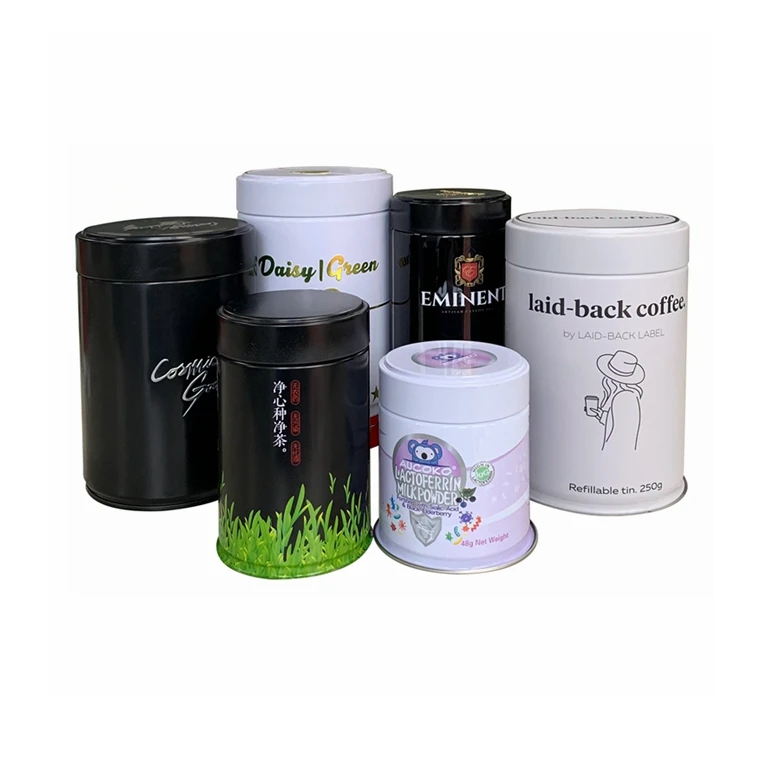
Professional tea masters and matcha connoisseurs recognize that storage containers play a fundamental role in maintaining product integrity. The delicate nature of finely ground matcha leaves makes them particularly susceptible to environmental factors that can compromise taste, aroma, and nutritional content. A properly designed matcha tin with superior sealing technology creates an optimal microenvironment that preserves the powder's ceremonial-grade quality throughout its shelf life.
Essential Sealing Mechanisms for Premium Matcha Storage
Rubber Gasket Technology and Performance Standards
High-quality matcha tins incorporate food-grade rubber gaskets that create multiple contact points between the lid and container body. These gaskets must demonstrate exceptional elasticity and compression resistance to maintain consistent sealing pressure over thousands of opening and closing cycles. The rubber material should be FDA-approved and free from volatile organic compounds that could transfer unwanted odors or flavors to the stored matcha powder.
Premium gasket systems feature dual-ring configurations that provide redundant sealing protection against atmospheric infiltration. The primary seal prevents bulk air exchange while the secondary barrier addresses microscopic gaps that might develop through normal use. This dual-layer approach ensures your matcha tin maintains optimal internal conditions even when subjected to temperature fluctuations or mechanical stress during transportation and daily handling.
Double-Wall Construction and Thermal Stability
Advanced matcha storage solutions employ double-wall construction techniques that enhance both thermal insulation and structural integrity. The air gap between inner and outer walls creates a thermal buffer zone that minimizes temperature transfer from external environments. This feature proves particularly valuable in kitchen settings where ambient temperatures can fluctuate significantly throughout the day.
The thermal stability provided by double-wall design helps prevent condensation formation inside the container, which could introduce moisture that rapidly degrades matcha quality. Professional-grade containers maintain consistent internal temperatures that protect the powder's cellular structure and prevent the oxidation processes that lead to color fading and flavor deterioration.
Material Selection and Chemical Compatibility
Food-Grade Aluminum Alloy Specifications
The base material of your matcha tin significantly influences both sealing effectiveness and long-term durability. Premium containers utilize food-grade aluminum alloys that resist corrosion while providing excellent formability for precision manufacturing. These alloys undergo specialized treatments that eliminate surface irregularities and create smooth contact surfaces essential for optimal gasket performance.
Aluminum's natural properties include excellent barrier characteristics against moisture, oxygen, and light transmission. When combined with appropriate interior coatings, aluminum matcha tins create hermetic storage environments that preserve powder freshness for extended periods. The material's lightweight nature also makes it practical for daily use while maintaining the structural strength necessary for reliable sealing under various conditions.
Interior Coating Systems and Surface Treatment
Professional matcha storage containers feature specialized interior coating systems designed specifically for powdered food products. These coatings must be chemically inert to prevent interactions with matcha's delicate compounds while providing smooth surfaces that facilitate complete powder removal and easy cleaning. The coating application process requires precise control to ensure uniform thickness and complete coverage of all interior surfaces.
Advanced coating formulations incorporate antimicrobial properties that inhibit bacterial and mold growth within the container environment. This feature proves particularly important for matcha storage since the powder's fine particle size and organic composition can support microbial activity under improper storage conditions. Quality coatings maintain their protective properties through repeated cleaning cycles without degradation or contamination of stored products.
Testing Standards and Quality Assurance Protocols
Vacuum Integrity Assessment Methods
Reputable manufacturers employ rigorous testing protocols to verify the sealing effectiveness of their matcha tin products before market release. Vacuum integrity testing involves creating controlled negative pressure conditions within sealed containers to identify potential leak paths or seal failures. These tests simulate the pressure differentials that might occur during air transport or altitude changes in storage locations.
Professional testing equipment measures leak rates in standardized units, allowing consumers to compare sealing performance across different container designs. Containers that pass stringent vacuum testing demonstrate superior ability to maintain internal atmospheric conditions over extended storage periods. This verification process ensures that your matcha tin will perform consistently throughout its intended service life.
Accelerated Aging and Durability Validation
Comprehensive quality assurance programs include accelerated aging tests that simulate years of normal use within compressed timeframes. These tests subject matcha tins to elevated temperatures, humidity cycles, and mechanical stress patterns that replicate real-world usage conditions. Containers that maintain sealing effectiveness under accelerated aging conditions demonstrate superior long-term reliability for matcha storage applications.
Durability validation extends beyond basic sealing performance to include assessments of gasket compression set, lid alignment stability, and surface coating integrity. These comprehensive evaluations ensure that all components of the sealing system maintain their functionality throughout the container's expected lifespan, providing consistent protection for stored matcha products.
Environmental Protection Features
Light Barrier Technology and UV Protection
Matcha's vibrant green color results from chlorophyll compounds that are extremely sensitive to light exposure, particularly ultraviolet radiation. Premium matcha tins incorporate light barrier technology that completely blocks UV transmission while minimizing visible light penetration. This protection prevents photochemical reactions that break down chlorophyll and cause the characteristic color fading associated with improper storage.
Advanced container designs utilize opaque materials and specialized surface treatments that reflect rather than absorb light energy. This approach prevents heat buildup within the container while maintaining the cool, stable environment necessary for matcha preservation. The combination of light blocking and thermal management creates optimal storage conditions that preserve both visual appeal and nutritional content.
Moisture Control and Humidity Management
Effective moisture control represents one of the most critical aspects of matcha storage since even minimal water content can trigger rapid quality degradation. Superior matcha tins incorporate desiccant integration points that allow for the inclusion of food-grade moisture absorbing materials without compromising the sealing system. These features ensure that humidity levels remain consistently low throughout the storage period.
The sealing system itself must demonstrate exceptional resistance to water vapor transmission to prevent ambient humidity from infiltrating the storage environment. High-performance gaskets and coating systems work together to create barriers that maintain internal relative humidity below critical thresholds that could support microbial growth or chemical degradation processes.
User Experience and Practical Considerations
Opening and Closing Mechanism Design
The practical usability of a matcha tin directly affects how well users maintain proper sealing during daily use. Well-designed containers feature intuitive opening mechanisms that require appropriate effort to ensure secure closure without being difficult for regular users to operate. The balance between accessibility and sealing security requires careful engineering to accommodate users with varying hand strength and dexterity.
Premium containers incorporate visual and tactile feedback systems that confirm proper seal engagement during closure. These features might include alignment guides, compression indicators, or audible confirmation mechanisms that help users achieve optimal sealing performance with every use. Consistent proper sealing technique preserves the container's ability to protect matcha quality over time.
Cleaning and Maintenance Requirements
Long-term sealing effectiveness depends heavily on proper maintenance and cleaning protocols for both the container and sealing components. Quality matcha tins are designed for easy disassembly and thorough cleaning without compromising gasket integrity or coating systems. Users should be able to access all sealing surfaces for inspection and cleaning using standard kitchen cleaning methods.
Maintenance requirements should be minimal and straightforward to encourage consistent care that preserves sealing performance. Containers that require specialized cleaning products or complex maintenance procedures may not receive adequate attention, leading to gradual degradation of sealing effectiveness and reduced matcha protection quality.
FAQ
How often should I replace the gasket in my matcha tin
Quality gaskets in premium matcha tins typically maintain their sealing effectiveness for several years under normal use conditions. However, you should inspect the gasket every six months for signs of compression set, cracking, or contamination. Replace the gasket immediately if you notice any permanent deformation, loss of elasticity, or absorption of odors that could affect your matcha's flavor profile.
What temperature conditions are optimal for matcha tin storage
Store your matcha tin in locations with stable temperatures between 60-70°F (15-21°C) and away from direct sunlight or heat sources. Avoid areas with significant temperature fluctuations such as near stoves, windows, or refrigerators. The airtight seal helps maintain internal temperature stability, but external temperature control enhances overall preservation effectiveness.
Can I store opened matcha tins in the refrigerator
Refrigerator storage is generally not recommended for matcha tins due to humidity concerns and potential condensation formation when removing the container from cold storage. The airtight seal of a quality matcha tin provides sufficient protection at room temperature. If refrigeration is necessary, allow the sealed container to reach room temperature before opening to prevent moisture condensation inside.
How can I test if my matcha tin seal is working properly
Perform a simple vacuum test by pressing down on the center of the lid after sealing. A properly sealed container should resist inward movement and may produce a slight popping sound when pressure is released. Additionally, you can check for maintained freshness by monitoring your matcha's color, aroma, and flavor over time compared to newly opened packages.