
 EN
EN
 AR
AR BG
BG HR
HR CS
CS DA
DA NL
NL FI
FI FR
FR DE
DE EL
EL IT
IT JA
JA KO
KO NO
NO PL
PL PT
PT RO
RO RU
RU ES
ES SV
SV CA
CA IW
IW ID
ID LV
LV LT
LT SR
SR SK
SK SL
SL UK
UK VI
VI SQ
SQ HU
HU TR
TR FA
FA MS
MS GA
GA CY
CY LA
LA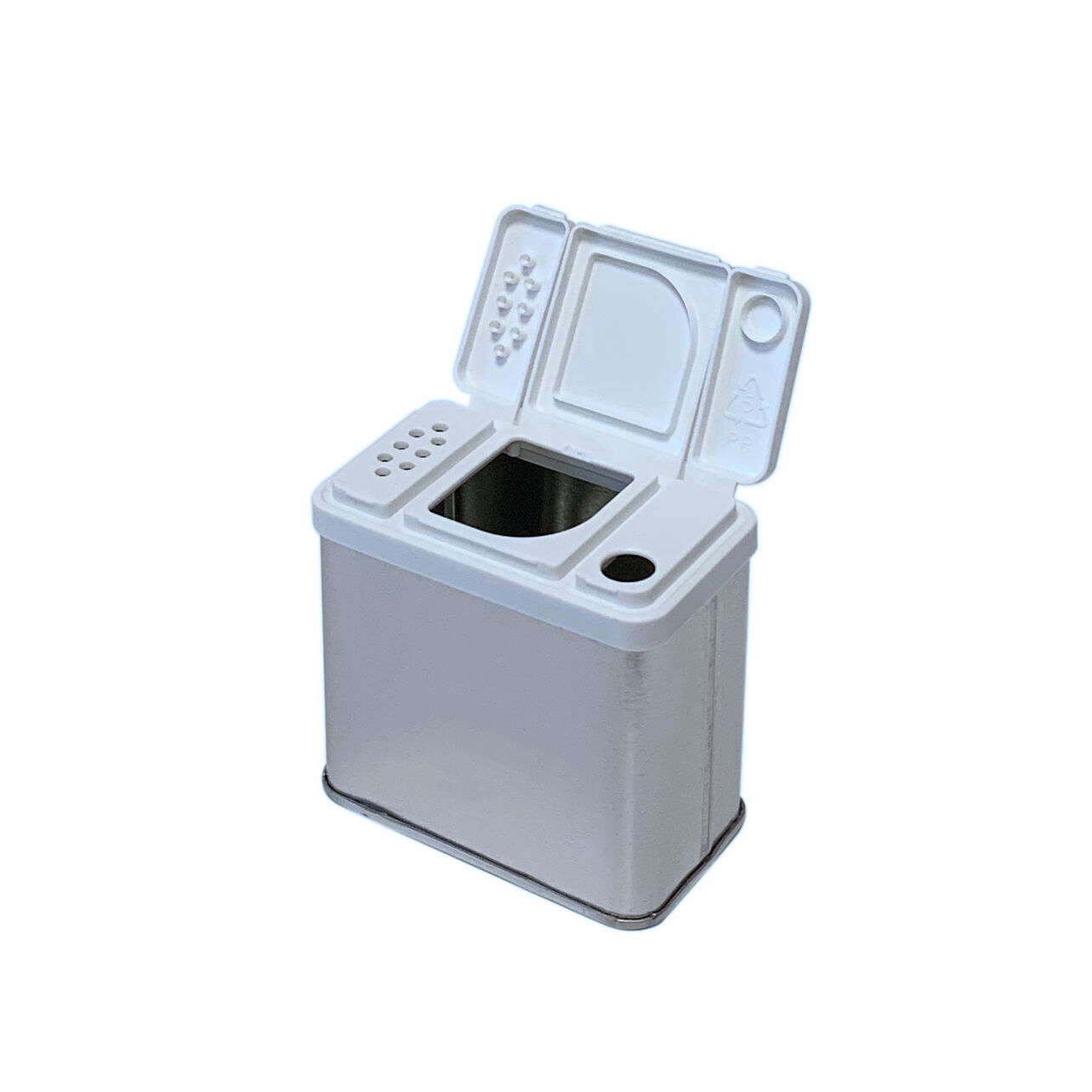
Modern packaging solutions require a delicate balance between protection, sustainability, and cost-effectiveness. The aluminum tin has emerged as one of the most versatile packaging options available today, offering exceptional durability while maintaining an impressively lightweight profile. Industries ranging from cosmetics to food storage have recognized the superior qualities that make aluminum tin containers an optimal choice for both manufacturers and consumers seeking environmentally responsible packaging alternatives.
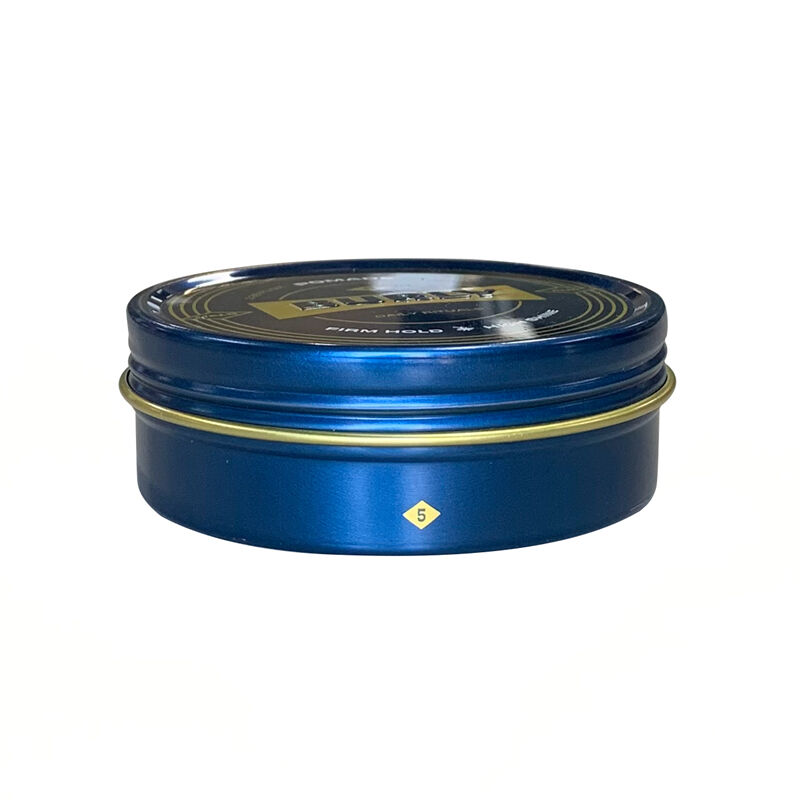
The packaging industry continues to evolve as companies prioritize sustainable materials without compromising product integrity. Aluminum tin packaging represents a significant advancement in this direction, combining lightweight construction with exceptional barrier properties that protect contents from moisture, light, and contamination. This unique combination of characteristics has positioned aluminum tin solutions as preferred packaging for premium products across multiple sectors, from artisanal foods to high-end cosmetic formulations.
Understanding the comprehensive benefits of aluminum tin packaging enables businesses to make informed decisions about their packaging strategies. The material's inherent properties, combined with modern manufacturing techniques, create packaging solutions that meet stringent quality standards while supporting corporate sustainability initiatives. These containers offer remarkable versatility, accommodating various product types while maintaining consistent performance across different storage and transportation conditions.
Environmental Advantages of Aluminum Tin Packaging
Recyclability and Circular Economy Impact
The environmental credentials of aluminum tin packaging stand as perhaps its most compelling advantage in today's eco-conscious marketplace. Aluminum demonstrates exceptional recyclability, maintaining its structural integrity through multiple recycling cycles without degradation of material properties. This characteristic enables aluminum tin containers to participate effectively in circular economy models, where materials continuously cycle through use, recovery, and remanufacturing phases.
Manufacturing processes for recycled aluminum require significantly less energy compared to primary aluminum production, reducing overall carbon footprints by up to 95%. When businesses choose aluminum tin packaging, they contribute to reduced mining activities, lower greenhouse gas emissions, and decreased landfill waste. The recycling infrastructure for aluminum remains well-established globally, ensuring that aluminum tin containers can be efficiently processed and reintegrated into new packaging cycles.
Consumer awareness of environmental impacts continues driving demand for sustainable packaging options. Aluminum tin containers meet these expectations while providing businesses with packaging that aligns with corporate social responsibility goals. The material's longevity and reusability further enhance its environmental profile, as containers can often serve secondary purposes after their initial use, extending their practical lifespan.
Carbon Footprint Reduction Strategies
Transportation efficiency represents another significant environmental benefit of aluminum tin packaging. The lightweight nature of aluminum containers reduces shipping weights, leading to lower fuel consumption and reduced carbon emissions during distribution. This advantage becomes particularly pronounced for companies managing large-volume shipments or international distribution networks, where weight reductions translate directly into environmental and cost savings.
Production processes for aluminum tin containers have been optimized to minimize environmental impact through advanced manufacturing techniques and energy-efficient equipment. Modern facilities utilize renewable energy sources and implement closed-loop water systems, further reducing the environmental footprint of aluminum tin production. These improvements demonstrate the industry's commitment to sustainable manufacturing practices while maintaining product quality and performance standards.
Life cycle assessments consistently demonstrate that aluminum tin packaging performs favorably compared to alternative materials when considering total environmental impact. From raw material extraction through end-of-life disposal, aluminum containers show reduced resource consumption and lower environmental impact scores. This comprehensive environmental performance makes aluminum tin packaging an excellent choice for companies seeking to minimize their ecological footprint while maintaining packaging functionality.
Superior Protection and Barrier Properties
Moisture and Oxygen Resistance
The protective capabilities of aluminum tin packaging exceed those of many alternative materials, providing exceptional barrier properties that preserve product quality and extend shelf life. Aluminum's inherent structure creates an impermeable barrier against moisture, oxygen, and light penetration, three primary factors that contribute to product degradation. This superior protection ensures that contents maintain their intended characteristics throughout storage and distribution periods.
Food products packaged in aluminum tin containers demonstrate significantly extended shelf life compared to those stored in permeable packaging materials. The material's barrier properties prevent oxidation reactions that cause rancidity in oils and fats, preserve volatile flavor compounds, and maintain nutritional integrity. These protective qualities make aluminum tin packaging particularly valuable for premium food products, spices, and specialty ingredients where quality preservation is paramount.
Cosmetic and pharmaceutical applications benefit tremendously from the protective properties of aluminum tin packaging. Active ingredients in skincare formulations remain stable when protected from light and air exposure, maintaining their efficacy throughout the product's intended lifespan. The hermetic sealing capabilities of properly designed aluminum tin containers ensure that sensitive formulations retain their potency and therapeutic properties.
Chemical Compatibility and Inertness
Aluminum tin materials demonstrate excellent chemical compatibility with a wide range of products, showing minimal reactivity with most formulations and contents. This inert behavior prevents unwanted interactions that could alter product characteristics, flavors, or therapeutic properties. The material's stability across various pH levels and chemical compositions makes aluminum tin packaging suitable for diverse applications, from acidic food products to alkaline cosmetic formulations.
Quality control considerations benefit from the consistent performance of aluminum tin packaging across different environmental conditions. Temperature fluctuations, humidity variations, and atmospheric pressure changes have minimal impact on the material's barrier properties and structural integrity. This reliability ensures consistent product protection regardless of storage conditions or geographic distribution requirements.
Testing protocols for aluminum tin containers consistently demonstrate their ability to maintain seal integrity and protective properties over extended periods. Accelerated aging studies and real-world performance evaluations confirm that aluminum tin packaging maintains its protective capabilities throughout typical product lifecycles. This proven performance record provides confidence for manufacturers selecting packaging materials for critical applications.
Lightweight Design and Transportation Benefits
Shipping Cost Optimization
The lightweight characteristics of aluminum tin packaging create substantial advantages for businesses managing shipping and distribution costs. Aluminum's high strength-to-weight ratio enables the creation of robust containers that provide excellent protection while minimizing package weight. This optimization directly translates to reduced shipping costs, particularly important for companies operating on thin margins or managing high-volume distribution networks.
International shipping regulations and cost structures heavily favor lightweight packaging solutions, making aluminum tin containers particularly advantageous for export-oriented businesses. Airlines and shipping companies base their pricing structures on dimensional weight calculations, where lighter packages result in lower transportation costs. Companies utilizing aluminum tin packaging can achieve significant savings in logistics expenses while maintaining product protection standards.
E-commerce applications especially benefit from the lightweight nature of aluminum tin packaging, as reduced package weights lower last-mile delivery costs and improve customer satisfaction through faster processing. The durability of aluminum containers ensures that products arrive intact despite the handling stresses typical in modern distribution systems. This combination of weight savings and protection makes aluminum tin packaging ideal for online retail applications.
Storage and Handling Efficiency
Warehouse operations achieve improved efficiency when utilizing aluminum tin packaging due to reduced handling weights and optimized storage characteristics. Workers can manage larger quantities of packaged products with less physical strain, improving productivity and reducing workplace injury risks. The stackable design of most aluminum tin containers maximizes storage density while maintaining easy access for inventory management.
Automated packaging and fulfillment systems operate more efficiently with lightweight aluminum tin containers, as reduced weights allow for faster processing speeds and lower mechanical stress on equipment. Conveyor systems, robotic handlers, and automated sorting equipment perform optimally when managing lighter packages, resulting in increased throughput and reduced maintenance requirements.
Distribution center operations benefit from the consistent dimensions and lightweight properties of aluminum tin packaging, enabling more precise planning and optimization of transportation loads. The ability to pack more units per shipment while staying within weight restrictions maximizes distribution efficiency and reduces per-unit transportation costs. These operational advantages contribute significantly to overall supply chain optimization.
Versatility Across Industries and Applications
Food and Beverage Applications
The food industry has embraced aluminum tin packaging for numerous applications, from specialty spices and artisanal products to premium confections and gourmet ingredients. The material's ability to preserve freshness and prevent contamination makes it ideal for products where quality and safety are paramount. Aluminum tin containers effectively protect against pest infiltration, moisture absorption, and flavor loss, ensuring that food products maintain their intended characteristics.
Beverage manufacturers utilize aluminum tin packaging for premium product lines, particularly for specialty teas, coffee blends, and powdered drink mixes. The airtight sealing capabilities preserve volatile aromatic compounds that define product quality and consumer appeal. The material's resistance to temperature variations ensures consistent product quality across different storage and distribution environments.
Artisanal food producers particularly value aluminum tin packaging for its ability to convey premium positioning while providing practical protection. The material's appearance and tactile qualities communicate quality and craftsmanship, supporting brand messaging and consumer perception. These aesthetic considerations, combined with functional benefits, make aluminum tin containers popular choices for specialty food applications.
Cosmetics and Personal Care
Cosmetic manufacturers increasingly specify aluminum tin packaging for premium product lines, taking advantage of the material's protective properties and aesthetic appeal. Skincare formulations containing active ingredients benefit from the light-blocking and airtight properties of aluminum containers, maintaining product stability and efficacy. The material's chemical inertness prevents interactions that could compromise formulation integrity or cause unwanted reactions.
Personal care products packaged in aluminum tin containers demonstrate superior shelf stability compared to those stored in permeable packaging materials. Essential oils, fragrances, and volatile active ingredients retain their potency when protected by aluminum's barrier properties. This protection ensures that consumers receive products that perform as intended throughout their useful life.
Brand differentiation opportunities abound with aluminum tin packaging, as the material's premium appearance and tactile qualities support luxury positioning strategies. Customization options including embossing, printing, and finishing treatments enable brands to create distinctive packaging that stands out in competitive markets. The durability of aluminum tin containers also supports reusability, adding value for environmentally conscious consumers.
Cost-Effectiveness and Economic Benefits
Long-Term Value Proposition
While initial costs of aluminum tin packaging may appear higher than some alternatives, comprehensive cost analysis reveals significant long-term value propositions. The material's durability and protective properties reduce product loss due to damage, contamination, or degradation, effectively lowering total cost of ownership. Companies experience fewer returns, complaints, and replacement costs when utilizing high-quality aluminum tin packaging.
Extended shelf life capabilities provided by aluminum tin containers create additional value through reduced inventory turnover requirements and decreased waste disposal costs. Products maintain their quality longer, allowing for more flexible distribution strategies and reduced pressure on rapid turnover cycles. This flexibility enables better inventory management and improved cash flow characteristics.
Manufacturing efficiency gains result from the consistent dimensions and handling characteristics of aluminum tin packaging, reducing production line disruptions and quality control issues. Automated filling and sealing equipment operates more reliably with standardized aluminum containers, minimizing downtime and maintenance costs. These operational benefits contribute to improved overall manufacturing economics.
Market Positioning Advantages
Premium market positioning becomes more achievable with aluminum tin packaging, as consumers associate the material with quality and sustainability. This perception enables companies to command higher price points while justifying premium positioning through tangible packaging benefits. Market research consistently demonstrates consumer willingness to pay more for products packaged in environmentally responsible materials.
Brand loyalty improvements result from consistent product quality delivered through superior aluminum tin packaging protection. Customers develop confidence in brands that deliver consistent experiences, leading to repeat purchases and positive word-of-mouth marketing. The protective qualities of aluminum containers ensure that customers receive products in optimal condition, supporting brand reputation and customer satisfaction.
Competitive differentiation opportunities arise through strategic use of aluminum tin packaging, particularly in markets where sustainability and quality are key purchasing factors. Companies can leverage the environmental and performance benefits of aluminum containers to distinguish their offerings from competitors using less sustainable or protective packaging options. This differentiation strategy supports premium pricing and market share growth objectives.
Manufacturing and Design Flexibility
Customization Capabilities
Modern manufacturing techniques enable extensive customization options for aluminum tin packaging, allowing brands to create distinctive containers that align with their marketing and functional requirements. Embossing, debossing, and forming technologies produce complex shapes and surface textures that enhance visual appeal and tactile experiences. These customization capabilities enable brands to create memorable packaging that supports recognition and differentiation strategies.
Printing and finishing options for aluminum tin containers include advanced techniques such as digital printing, lithography, and specialized coatings that create stunning visual effects. Brands can implement full-color graphics, gradient effects, and metallic finishes that capture attention and communicate quality positioning. The durability of these finishes ensures that packaging maintains its appearance throughout distribution and use cycles.
Size and shape flexibility in aluminum tin manufacturing accommodates diverse product requirements and branding strategies. Custom dimensions, unique profiles, and specialized closures enable optimal product fit and enhanced functionality. This flexibility ensures that packaging complements product characteristics while maximizing protection and user convenience.
Production Scalability
Aluminum tin manufacturing processes scale effectively from prototype quantities to high-volume production runs, supporting businesses at various growth stages. Advanced manufacturing equipment enables efficient production of custom containers while maintaining consistent quality standards. This scalability ensures that companies can maintain packaging continuity as their business grows and volume requirements increase.
Quality control systems in aluminum tin manufacturing ensure consistent dimensional accuracy, surface finish quality, and functional performance across production runs. Statistical process control and automated inspection systems identify and correct variations before they impact product quality. This reliability gives companies confidence in packaging consistency regardless of production volumes.
Supply chain integration capabilities enable aluminum tin manufacturers to support just-in-time delivery requirements and flexible ordering patterns. Advanced planning systems and inventory management ensure reliable availability while minimizing customer inventory requirements. This responsive supply chain support helps companies optimize their working capital and operational efficiency.
FAQ
What makes aluminum tin packaging more sustainable than other options
Aluminum tin packaging offers superior sustainability through its exceptional recyclability, maintaining material integrity through multiple recycling cycles without quality degradation. The recycling process requires 95% less energy than primary aluminum production, significantly reducing carbon footprints. Additionally, the lightweight nature of aluminum containers reduces transportation fuel consumption and emissions, while the material's durability enables reuse applications that extend product lifecycles beyond their original packaging purpose.
How does aluminum tin packaging protect product quality compared to plastic alternatives
Aluminum tin containers provide superior barrier properties against moisture, oxygen, and light penetration compared to most plastic packaging options. This enhanced protection prevents oxidation, maintains volatile compounds, and preserves nutritional integrity in food products while ensuring stability of active ingredients in cosmetic and pharmaceutical formulations. The chemical inertness of aluminum prevents unwanted interactions with contents, maintaining product characteristics throughout extended storage periods.
What cost considerations should businesses evaluate when choosing aluminum tin packaging
While aluminum tin packaging may have higher initial costs than some alternatives, businesses should consider total cost of ownership including reduced product loss, extended shelf life, lower transportation costs due to lightweight properties, and premium pricing opportunities. The durability and protective qualities of aluminum containers reduce returns and customer complaints, while the material's sustainability credentials support brand positioning that can justify higher price points and improve customer loyalty.
Can aluminum tin packaging be customized for specific branding requirements
Modern aluminum tin manufacturing offers extensive customization capabilities including embossing, debossing, specialized printing techniques, and various finishing options that create distinctive visual and tactile experiences. Companies can implement custom shapes, sizes, colors, and surface treatments that align with their branding strategies while maintaining the functional benefits of aluminum packaging. These customization options enable effective brand differentiation and premium positioning in competitive markets.
Table of Contents
- Environmental Advantages of Aluminum Tin Packaging
- Superior Protection and Barrier Properties
- Lightweight Design and Transportation Benefits
- Versatility Across Industries and Applications
- Cost-Effectiveness and Economic Benefits
- Manufacturing and Design Flexibility
-
FAQ
- What makes aluminum tin packaging more sustainable than other options
- How does aluminum tin packaging protect product quality compared to plastic alternatives
- What cost considerations should businesses evaluate when choosing aluminum tin packaging
- Can aluminum tin packaging be customized for specific branding requirements