
 EN
EN
 AR
AR BG
BG HR
HR CS
CS DA
DA NL
NL FI
FI FR
FR DE
DE EL
EL IT
IT JA
JA KO
KO NO
NO PL
PL PT
PT RO
RO RU
RU ES
ES SV
SV CA
CA IW
IW ID
ID LV
LV LT
LT SR
SR SK
SK SL
SL UK
UK VI
VI SQ
SQ HU
HU TR
TR FA
FA MS
MS GA
GA CY
CY LA
LA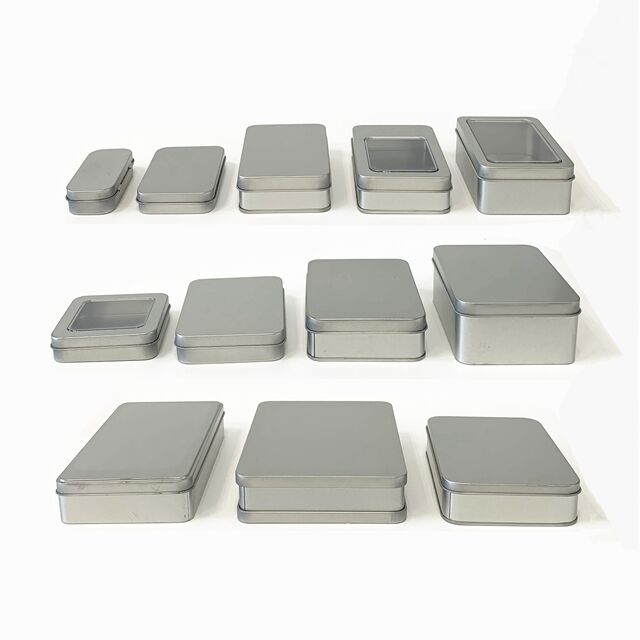
پودر ماتچا یکی از ظریفترین و ارزشمندترین انواع چای سبز را نمایندگی میکند که بهدلیل رنگ درخشان، طعم پیچیده و مزایای تغذیهای استثناییاش مورد تقدیر قرار میگیرد. با این حال، این پودر ریز از برگ چای در برابر عوامل محیطی مستعد آسیب است و قرار گرفتن در معرض آنها میتواند بهسرعت کیفیت، طعم و خواص سلامتی آن را کاهش دهد. درک تأثیر نور و هوا بر پودر ماتچا برای علاقهمندان به چای، فروشندگان و تولیدکنندگانی که میخواهند صحت و اصالت این کالای ارزشمند را حفظ کنند، امری حیاتی است. فرآیند تخریب تقریباً بلافاصله پس از قرار گرفتن در معرض این عوامل آغاز میشود؛ بنابراین راهکارهای مناسب نگهداری برای حفظ رنگ سبز درخشان و طعم اومامیدار مشخصهی ماتچا—که مصرفکنندگان از محصولات مرغوب انتظار دارند—ضروری است.
علم تخریب ماتچا
واکنشهای فوتوشیمیایی در پودر ماتچا
قرار گرفتن در معرض نور، واکنشهای فوتوشیمیایی پیچیدهای را در پودر ماتچا آغاز میکند که ساختار مولکولی و ظاهر آن را بهطور اساسی تغییر میدهد. مولکولهای کلروفیل که عامل رنگ سبز زمردی مشخصهٔ ماتچا هستند، بهویژه در برابر طولموجهای نور فرابنفش و مرئی آسیبپذیرند. هنگامی که فوتونها به این مولکولهای رنگدانهٔ ظریف برخورد میکنند، فرآیند تجزیهای را آغاز میکنند که در آن کلروفیل پررنگ به فئوفیتین — ترکیبی قهوهایرنگ که نشاندهندهٔ کاهش کیفیت است — تبدیل میشود. این تبدیل تحت نور مستقیم خورشید بهسرعت انجام میشود، اما حتی در شرایط روشنایی مصنوعی نیز ادامه دارد؛ بنابراین حفاظت در برابر نور یک عامل حیاتی در راهکارهای نگهداری ماتچا محسوب میشود.
فرآیند فوتوتخریب فراتر از تغییرات بصری گسترش مییابد و بر ترکیبات طعمدهنده و خواص آنتیاکسیدانی چای تأثیر میگذارد. کاتشینها، آنتیاکسیدانهای قدرتمندی که به فواید سلامتی مچا کمک میکنند، در معرض انرژی نور ناپایدار میشوند. این مولکولها دستخوش تغییرات ساختاری میشوند که باعث کاهش زیستدسترسی و پتانسیل درمانیشان میگردد. علاوه بر این، اسیدهای آمینهای که به پروفایل طعم اومامی متمایز مچا دادهاند—بهویژه ال-تئانین—نیز میتوانند از طریق واکنشهای القاشده توسط نور دستخوش تغییر شوند. استادان حرفهای چای این تغییرات را بلافاصله تشخیص میدهند و به این نکته توجه میکنند که مچای آسیبدیده از نور، بوی تازه و گیاهی خود را از دست داده و نتهای تلخ یا گسستهای را بهوجود میآورد که شیرینی طبیعی چای را پنهان میکند.
فرآیندهای اکسیداتیو و قرارگیری در معرض هوا
مولکولهای اکسیژن موجود در هوای محیط، تهدید دیگری جدی بر کیفیت پودر مچا از طریق فرآیندهای اکسیداتیو هستند که در سطح مولکولی رخ میدهند. وقتی پودر مچا با اکسیژن تماس پیدا میکند، ساختارهای سلولی ظریف موجود در برگهای آسیابشده چای، از طریق واکنشهای آنزیمی شروع به تجزیه میکنند. این فرآیندهای اکسیداتیو مشابه آنهایی هستند که باعث قهوهایشدن سیبهای برشخورده یا زنگزدن فلزات میشوند، اما در چای آسیابشده بسیار ریز به دلیل افزایش سطح تماس با هوا، بسیار سریعتر اتفاق میافتند. تجزیه اکسیداتیو بر چندین جزء بهطور همزمان تأثیر میگذارد، از جمله فلاونوئیدها، ویتامینها و ترکیبات معطر که تعیینکننده کیفیت بالای مچا هستند.
سطح رطوبت در هوای اطراف، مشکل اکسیداسیون را تشدید میکند، زیرا رطوبت موجود، واکنشهای شیمیایی درون پودر مچا را تسریع میکند. مولکولهای آب با آنزیمهای طبیعی چای، بهویژه پلیفنول اکسیداز، واکنش نشان میدهند که تجزیه ترکیبات مفید را تسهیل میکند. این فعالیت آنزیمی حتی در دمای اتاق نیز ادامه دارد و بهتدریج پودر سبز روشن را به مادهای کدرتر و زردِ قهوهایرنگ تبدیل میکند که ارزش تغذیهای آن بهطور چشمگیری کاهش یافته است. همچنین رطوبت شرایطی را ایجاد میکند که رشد باکتریها و توسعه کپک را تقویت مینماید؛ این امر میتواند پودر مچا را برای مصرف غیرامن کرده و منجر به اتلاف کامل محصول شود.
تأثیر بر کیفیت مچا و تجربه مصرفکننده
کاهش رنگ و جذابیت بصری
تغییر بصری پودر مچا تحت تأثیر نور و هوای محیط، یکی از شاخصهای کیفیتی قابل مشاهدهترین و فوریترینی است که برای مصرفکنندگان و خردهفروشان اهمیت دارد. مچای تازه و بهدرستی ذخیرهشده، رنگ سبز یشمی درخشانی دارد که نور را با کیفیتی تقریباً میدانی منعکس میکند. این ظاهر پرانرژی، نماد بصری تازگی و قدرت چای است و بر تصمیمات خرید و رضایت مصرفکننده تأثیر میگذارد. هنگامی که این پودر در معرض شرایط تخریبکننده قرار میگیرد، بهتدریج از طریق مراحل مختلفی از تغییر رنگ عبور میکند: ابتدا از سبز روشن به سبز زیتونی، سپس به قهوهای مایل به زرد، و در نهایت به رنگی کدر و خاکستریمایل که نشاندهندهٔ تخریب کامل آن است.
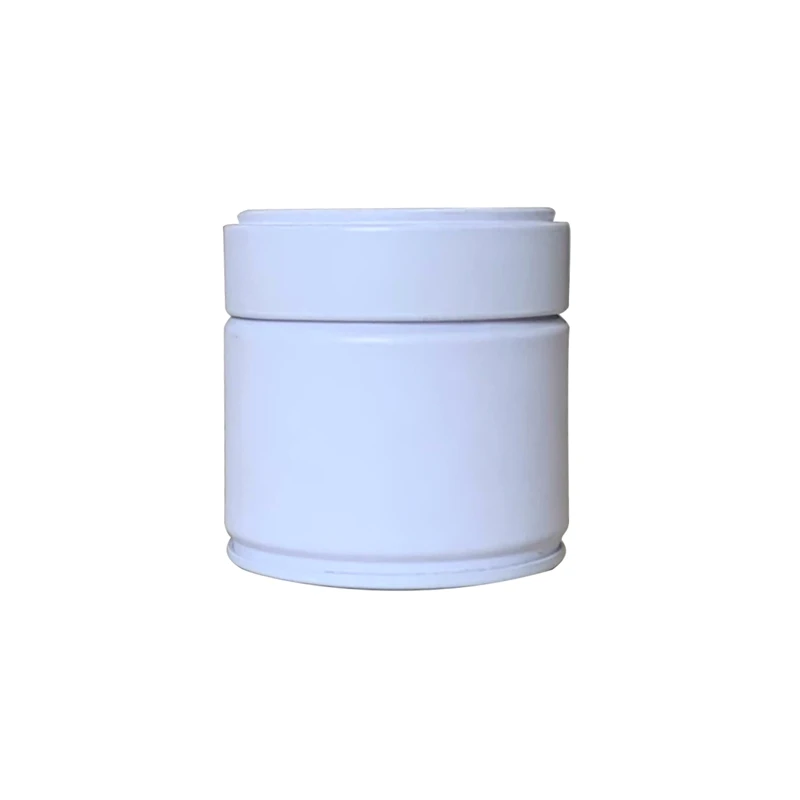
کارشناسان حرفهای آشپزی چای و علاقهمندان به آن میتوانند حتی تغییرات ظریف رنگی را که نشاندهنده کاهش کیفیت است، تشخیص دهند. آیین سنتی چای در ژاپن بر ارائه بصری مچا تأکید فراوانی دارد، جایی که رنگ پودر در تجربه زیباییشناختی کلی نقش دارد. فروشندگان میدانند که تخریب رنگ بهطور مستقیم بر فروش تأثیر میگذارد، زیرا مصرفکنندگان بهطور طبیعی رنگ سبز درخشان را با تازگی و کیفیت بالا مرتبط میسازند. Matcha tin این محصول محافظت ضروری در برابر این افتهای بصری کیفیت را فراهم میکند، زیرا با ایجاد سدی در برابر نفوذ نور و همزمان حفظ شرایط بهینه نگهداری، عمل میکند.
تغییرات در پروفایل عطر و طعم و تأثیر آن بر طعم
نور و قرار گرفتن در معرض هوا بهطور اساسی طعم پیچیدهٔ ماتچا را تغییر میدهند و طعم مشخص این چای را از صاف و غنی از اومامی به تلخ و سوزان تبدیل میکنند. پودر تازهٔ ماتچا ترکیب ظریفی از شیرینی، بوی علفی و نتهای معدنی ظریف ایجاد میکند که تجربهای رضایتبخش و پیچیده از نوشیدن چای فراهم میسازد. فرآیند تخریب این تعادل را با تجزیهٔ اسیدهای آمینه و قندهای طبیعی که به ویژگیهای طعم مطبوع ماتچا کمک میکنند، برهم میزند. ماتچای آسیبدیده اغلب طعمهای تلخ و تهاجمیای ایجاد میکند که پیچیدگی طبیعی چای را سرکوب کرده و از لذت بردن از آن برای هم مصرفکنندگان غیرحرفهای و هم علاقهمندان جدی به چای میکاهد.
از دست رفتن ترکیبات عطری فرار، تجربه حسی پودر مچا تخریبشده را نیز بیشتر کاهش میدهد. این مولکولهای ظریف که به بوی تازه و دریایی چای کمک میکنند، از اولین قربانیان شرایط نامناسب نگهداری هستند. در صورت عدم محافظت مناسب، مچا بوی متمایز خود را از دست میدهد و ممکن است بوهای کپکزده یا کهنهای ایجاد کند که نشاندهنده اکسیداسیون و احتمال آلودگی است. این تخریب عطری نهتنها تجربه نوشیدن چای را تحت تأثیر قرار میدهد، بلکه عملکرد مچا در کاربردهای آشپزی نیز را مختل میسازد؛ جایی که طعم و بوی مچا در موفقیت شیرینیها، نوشیدنیها و سایر محصولات غذایی نقش دارد.
راهحلهای نگهداری سنتی در مقابل مدرن
روشهای تاریخی نگهداری در ژاپن
فرهنگ سنتی چای ژاپنی در طول قرنها روشهای پیچیدهای برای نگهداری پودر مچا جهت حفظ کیفیت آن در شرایط پیشصنعتی توسعه داده است. اساتید قدیمی چای از مواد طبیعی مانند ظروف نی، ظروف سرامیکی و روکشهای کاغذی بهطور خاص تیمارشده برای ایجاد سدی محافظ در برابر عوامل مخرب محیطی استفاده میکردند. این ظروف سنتی اغلب در مکانهای خنک و تاریکی مانند زیرزمینها یا اتاقهای اختصاصی نگهداری چای که دمای ثابت و سطح رطوبت مناسبی را حفظ میکردند، قرار میگرفتند. دانش نگهداری صحیح مچا بخشی جداییناپذیر از آموزش مراسم چای شد و اساتید مجرب این تکنیکهای خاص را برای حفظ کیفیت پودر از نسلی به نسل دیگر منتقل کردند.
خانههای چای مراسمی از آیینهای پیچیدهٔ نگهداری استفاده میکردند که شامل چندین لایه محافظت بود، از جمله کیسههای درونی از پارچه ابریشم، جعبههای چوبی و ظروف محافظ خارجی. این سیستمهای چندلایه، موانع مؤثری در برابر نور، رطوبت و تماس با هوا ایجاد میکردند و در عین حال به اساتید چای اجازه میداد تا مقادیر کوچکی از چای را بدون آنکه کل ذخیره تحت تأثیر قرار گیرد، در دسترس داشته باشند. رویکرد سنتی بر استفاده از مواد طبیعی و تنفسپذیر تأکید داشت که از تجمع رطوبت جلوگیری میکرد و در عین حال ویژگیهای اساسی چای را حفظ مینمود. امروزه نیز متخصصان این روشهای تاریخی را هنگام توسعهٔ راهکارهای مدرن نگهداری مورد استناد قرار میدهند و حکمتی را که در طول قرنها در فرهنگ چای جا افتاده است، شناخته و قدردانی میکنند.
نوآوریهای معاصر در بستهبندی
فناوری مدرن بستهبندی با استفاده از مواد پیشرفته و روشهای مهندسی، ذخیرهسازی مچا را دگرگون کرده است؛ این روشها از نظر محافظت و راحتی، فراتر از روشهای سنتی عمل میکنند. طراحیهای مدرن قوطیهای مچا شامل فلزات مناسب برای مصارف غذایی، سیستمهای درببندی پیشرفته و پوششهای داخلی تخصصی است که محیطی ایدهآل برای حفظ کیفیت پودر مچا ایجاد میکنند. این نوآوریها به آسیبپذیریهای خاص پودر مچا پاسخ میدهند و در عین حال مزایای عملیای را برای هم فروشندگان و هم مصرفکنندگان فراهم میسازند. فرآیندهای تولید پیشرفته امکان ساخت ظروفی با دقت بالا در ابعاد و خواص محافظتی برتر را فراهم میکنند که تازگی محصول را برای دورههای طولانیتری حفظ مینمایند.
سیستمهای بستهبندی خلأشده نیز پیشرفت قابل توجه دیگری در فناوری حفظ ماتچا محسوب میشوند که با حذف اکسیژن از ظروف نگهداری، از تخریب اکسیداتیو جلوگیری میکنند. این سیستمها در همکاری با مواد ظرفهای کدر، حفاظت جامعی در برابر اصلیترین تهدیدهای کیفیت ماتچا ایجاد میکنند. سازندگان مدرن قوطیهای ماتچا نیز ویژگیهایی مانند مکانیزمهای بازشدن آسان، سیستمهای کنترل سهمیهبندی و طراحیهای قابل انباشتهشدن را ادغام کردهاند که ضمن بهبود تجربه کاربر، یکپارچگی حفاظتی را نیز حفظ میکنند. ترکیب حکمت سنتی نگهداری با علوم مدرن مواد، منجر به راهحلهای نگهداری شده است که بهطور مؤثر کیفیت پودر ماتچا را در طول زنجیره تأمین و دوره مصرف توسط مصرفکننده حفظ میکنند.
نقش ظروف فلزی در حفظ کیفیت
خواص سدکنندگی نور سطوح فلزی
ظرفهای فلزی در مقایسه با سایر مواد بستهبندی، قابلیت ممتازی در مسدود کردن نور ارائه میدهند و سدّی غیرقابل نفوذ در برابر واکنشهای فوتوشیمیایی ایجاد میکنند که باعث تخریب پودر مچا میشوند. ماهیت کدر سطوح فلزی از نفوذ طولموجهای نور فرابنفش و مرئی به چای ذخیرهشده جلوگیری میکند و بهطور مؤثر یکی از اصلیترین عوامل افت کیفیت را از بین میبرد. این حذف کامل نور، مولکولهای کلروفیل را در حالت پایدار خود حفظ میکند و رنگ سبز روشن مشخصهای که مصرفکنندگان با مچای تازه و باکیفیت مرتبط میدانند را حفظ مینماید. فروشندگان حرفهای چای میدانند که ظرفهای فلزی قابلیت قابل اعتمادترین محافظت در برابر آسیبهای ناشی از نور را تحت شرایط مختلف نورپردازی و محیطهای نگهداری فراهم میکنند.
ویژگیهای بازتابدهندهی سطوح فلزی نیز به ثبات دمایی درون ظرف کمک میکند و از تجمع حرارت جلوگیری مینماید که میتواند فرآیندهای تخریب را تسریع کند. برخلاف مواد بستهبندی شفاف یا نیمهشفاف که اجازه نفوذ نور و جذب حرارت را میدهند، ظروف فلزی شرایط داخلی ثابتی را حفظ میکنند، صرفنظر از تغییرات روشنایی محیطی. این محافظت حرارتی بهویژه در طول حملونقل و نمایش در مراکز خردهفروشی اهمیت پیدا میکند، زیرا محصولات ممکن است در معرض نور شدید روشنایی انبارها یا نور مستقیم خورشید قرار گیرند. یک ظرف چای سبز (ماتچا) با طراحی مناسب، محیطی میکروسکوپی کنترلشده ایجاد میکند که در طول کل فرآیند توزیع و انبارداری، پودر را در برابر آسیبهای ناشی از نور محافظت مینماید.
فناوری درزبندی هوابند
فناوری پیشرفته درزبندی در طراحیهای مدرن قوطیهای ماتچا، سدّی هرمتیک ایجاد میکند که از نفوذ هوا جلوگیری کرده و اتمسفر مناسب ذخیرهسازی را برای دورههای طولانیتری حفظ مینماید. این سیستمهای درزبندی از اجزای دقیقسازیشدهای مانند واشرهای لاستیکی، درپوشهای دارای رزوه و مکانیزمهای قفلشونده با فشار (Snap-fit) استفاده میکنند که در کل ترکیبی محکم ایجاد کرده و در برابر دستکاری، حملونقل و چرخههای مکرر باز و بسته شدن مقاومت میکنند. اثربخشی این درزبندیها بهطور مستقیم بر مدت زمان انقضا و حفظ کیفیت چای تأثیر میگذارد؛ بنابراین صحت و سلامت درزبندی عاملی حیاتی در انتخاب ظرف محسوب میشود. محصولات قوطی ماتچا سطح حرفهای دارای چندین نقطه درزبندی و سیستمهای قفل اضافی (Redundant) هستند تا محافظت قابلاطمینان در برابر مواجهه با هوا را تضمین کنند.
ویژگیهای درزبندی شده و ضد نفوذ هوا در ظروف فلزی باکیفیت، امکان استفاده از روشهای بستهبندی با اتمسفر اصلاحشده را فراهم میکند؛ در این روش، گازهای محافظ جایگزین هوای عادی میشوند تا شرایط بهینهی نگهداری ایجاد شود. برای مثال، تزریق نیتروژن میتواند پیش از درببستن ظرف، اکسیژن موجود در آن را حذف کند و بدین ترتیب مدت زمان ماندگاری پودر مچا را با جلوگیری از واکنشهای اکسیداتیو بهطور قابلتوجهی افزایش دهد. این روشهای پیشرفتهی بستهبندی، در ترکیب با خواص محافظتی ظروف فلزی، نوینترین فناوریهای موجود در زمینهی حفظ کیفیت مچا را تشکیل میدهند. تولیدکنندگان و خردهفروشانی که در راهحلهای باکسهای قوطیای باکیفیت برای مچا سرمایهگذاری میکنند، میتوانند اطمینان حاصل کنند که محصولاتشان از مرحلهی تولید تا مصرف نهایی، در بالاترین سطح کیفیت خود باقی میمانند.
مزایای اقتصادی نگهداری صحیح مچا
کاهش ضایعات و اتلاف محصول
نگهداری مناسب ماتچا با استفاده از ظروف باکیفیت، اتلاف و ضایعات محصول را در سراسر زنجیره تأمین بهطور قابلتوجهی کاهش میدهد و مزایای اقتصادی قابلتوجهی برای خردهفروشان، توزیعکنندگان و مصرفکنندگان ایجاد میکند. پودر ماتچا یک کالای با ارزش بالا است که حتی کوچکترین تخریب در کیفیت آن میتواند منجر به زیانهای مالی قابلتوجهی شود. هنگامی که پودر ماتچا در بستهبندی نامناسبی نگهداری میشود، تنها در عرض چند هفته پس از قرار گرفتن در معرض نور و هوا غیرقابلفروش میشود و خردهفروشان مجبور میشوند کل زیان محصول را متقبل شوند. راهحلهای نگهداری ماتچا در ظروف قوطیای باکیفیت، عمر قابلاستفادهٔ آن را بهمدت چند ماه یا حتی چند سال افزایش میدهند و این محصول فاسدشدنی را به داراییای پایدار در انبار تبدیل میکنند که ارزش خود را در طول زمان حفظ میکند.
صرفهجویی در هزینهها ناشی از کاهش ضایعات اغلب در طی چند چرخهٔ اولیهٔ تولید، از سرمایهگذاری اولیه در بستهبندی باکیفیت فراتر میرود. عملیات حرفهای خدمات غذایی، فروشندگان تخصصی چای و توزیعکنندگان عمده به این نکته پی میبرند که زیرساخت مناسب نگهداری محصول، خود را از طریق حفظ ارزش محصول و کاهش هزینههای جایگزینی، تأمین میکند. علاوه بر این، ثبات کیفیت محصول که از طریق نگهداری مناسب فراهم میشود، به ایجاد وفاداری مشتریان منجر شده و باعث کاهش بازگشت کالا، شکایات و آسیب به شهرت برند در اثر فروش محصولات تخریبشده میگردد. تأثیر اقتصادی این رویکرد فراتر از صرفهجویی مستقیم در هزینهها گسترده است و شامل بهبود کارایی عملیاتی و تقویت شهرت برند در بازارهای رقابتی نیز میشود.
افزایش مدت زمان ماندگاری و مدیریت موجودی
افزایش مدت زمان انبارداری با استفاده از ظروف فلزی مناسب برای نگهداری ماتچا، استراتژیهای مدیریت موجودی را برای کسبوکارهایی که با این محصول ارزشمند سروکار دارند، دگرگون میسازد. روشهای سنتی نگهداری اغلب نیازمند چرخه سریع فروش و تکمیل مکرر موجودی برای حفظ استانداردهای کیفیت هستند که این امر چالشهای لجستیکی و افزایش هزینههای عملیاتی را به دنبال دارد. ظروف فلزی با کیفیت به کسبوکارها امکان میدهند موجودی بزرگتری را بدون نگرانی از کاهش کیفیت نگهداری کنند؛ این امر مزایای خرید عمده، کاهش فراوانی سفارشدهی و بهبود مدیریت جریان نقدی را فراهم میآورد. این پایداری موجودی بهویژه برای کسبوکارهای فصلی یا فعالیتهایی با الگوهای تقاضای متغیر که نیازمند دسترسی قابل اعتماد به محصول هستند، مزایای قابل توجهی دارد.
طول ماندگاری قابل پیشبینی که توسط راهحلهای باکیفیت برای نگهداری فراهم میشود، امکان برنامهریزی مالی دقیقتر و کاهش تخفیفات موجودی را فراهم میکند. فروشندگان میتوانند با اطمینان محصولات فصلی، نسخههای محدود یا درجات تخصصی را در انبار نگهداری کنند، بدون اینکه خطر تخریب کیفیت آنها قبل از تکمیل فروش وجود داشته باشد. این قابلیت اطمینان از استراتژیهای رشد کسبوکار حمایت میکند و به شرکتها این امکان را میدهد تا با اعتماد به تواناییهای خود در حفظ کیفیت محصولات، فرصتهای جدید بازار را بررسی کنند. سرمایهگذاری در زیرساخت مناسب برای نگهداری پودر مچا در ظروف فلزی (تن)، مزیتهای رقابتی بلندمدتی را از طریق افزایش کارایی عملیاتی و نرخ رضایت مشتریان ایجاد میکند.
سوالات متداول
پودر مچا در یک ظرف فلزی (تن) مناسب چقدر میتواند تازه بماند؟
هنگامی که در یک قوطی ماتچا با کیفیت بالا و ضد هوا نگهداری شود و در شرایط خنک و تاریک قرار گیرد، پودر ماتچا میتواند کیفیت بهینه خود را برای مدت ۱۲ تا ۲۴ ماه حفظ کند. مدت دقیق این دوره بستگی به کیفیت اولیه پودر، کارایی سیستم درببندی قوطی و شرایط محیط نگهداری دارد. قوطیهای ماتچا درجه حرفهای با فناوری درببندی عالی میتوانند تازگی ماتچا را تا دو سال حفظ کنند — مشروط بر اینکه بهدرستی نگهداری شده باشد؛ با این حال، برای دستیابی به عطر و طعم اوج و مزایای تغذیهای، مصرف آن در طی سال اول توصیه میشود.
بهترین شرایط دمایی برای نگهداری قوطی ماتچا چیست؟
دمای ایدهآل برای نگهداری پودر مچا در ظروف فلزی بین ۳۲ تا ۵۰ درجه فارنهایت (۰ تا ۱۰ درجه سلسیوس) است که نگهداری در یخچال بهترین گزینه برای حفظ بلندمدت آن محسوب میشود. با این حال، ظروف قوطیای مچا نیز در دمای اتاق (۶۰ تا ۷۰ درجه فارنهایت یا ۱۵ تا ۲۱ درجه سلسیوس) عملکرد خوبی دارند، مشروط بر اینکه از منابع گرما و نور مستقیم خورشید دور نگه داشته شوند. از نوسانات دمایی جلوگیری کنید و هرگز ظروف قوطیای مچا را در مکانهایی قرار ندهید که دورههای منظم گرمشدن و سردشدن را تجربه میکنند، زیرا این امر میتواند باعث ایجاد رطوبت و تجمع آبконدنسه در داخل ظرف شده و به پودر آسیب برساند.
آیا پودر مچای آسیبدیده میتواند به کیفیت اصلی خود بازگردد؟
متاسفانه، پس از تخریب پودر مچا به دلیل قرار گرفتن در معرض نور و هوا، این آسیب از طریق هیچ فرآیند بازیابیای قابل برگرداندن نیست. تغییرات مولکولی که در طول اکسیداسیون و تجزیه نوری رخ میدهند، دائمی هستند؛ بنابراین پیشگیری از طریق ذخیرهسازی مناسب تنها روش مؤثر برای حفظ کیفیت است. اگرچه مچای تخریبشدهٔ شدید ممکن است هنوز از نظر ایمنی قابل مصرف باشد، اما بخش عمدهای از ارزش تغذیهای، پیچیدگی عطر و طعم، و جذابیت بصریاش که ویژگی محصولات اولیه است، از دست رفته است.
چگونه میتوان تشخیص داد که پودر مچا بهدرستی ذخیرهسازی شده است؟
پودر ماتچا با کیفیت بالا که بهدرستی ذخیرهسازی شده باشد، رنگ سبز جادویی درخشانی دارد، بافتی بسیار ریز و بوی تازه و اقیانوسی در هنگام باز کردن اولیه ظرف نشان میدهد. این پودر باید بدون تشکیل گرهها بهراحتی در آب حل شود و نوشیدنیای سبز روشن تولید کند که طعمی متعادل و غنی از اومامی داشته باشد. نشانههای نامناسب بودن شرایط نگهداری عبارتند از: کدر یا زرد شدن رنگ، بوی مولد، طعم تلخ، حلالیت ضعیف و از دست رفتن بوی تازه و مشخصهای که برای ماتچا از اهمیت ویژهای برخوردار است. ارزیابان حرفهای چای میتوانند با بررسی بصری و ارزیابی بو — حتی قبل از آمادهسازی چای — بلافاصله مشکلات ناشی از نگهداری را تشخیص دهند.