
 EN
EN
 AR
AR BG
BG HR
HR CS
CS DA
DA NL
NL FI
FI FR
FR DE
DE EL
EL IT
IT JA
JA KO
KO NO
NO PL
PL PT
PT RO
RO RU
RU ES
ES SV
SV CA
CA IW
IW ID
ID LV
LV LT
LT SR
SR SK
SK SL
SL UK
UK VI
VI SQ
SQ HU
HU TR
TR FA
FA MS
MS GA
GA CY
CY LA
LA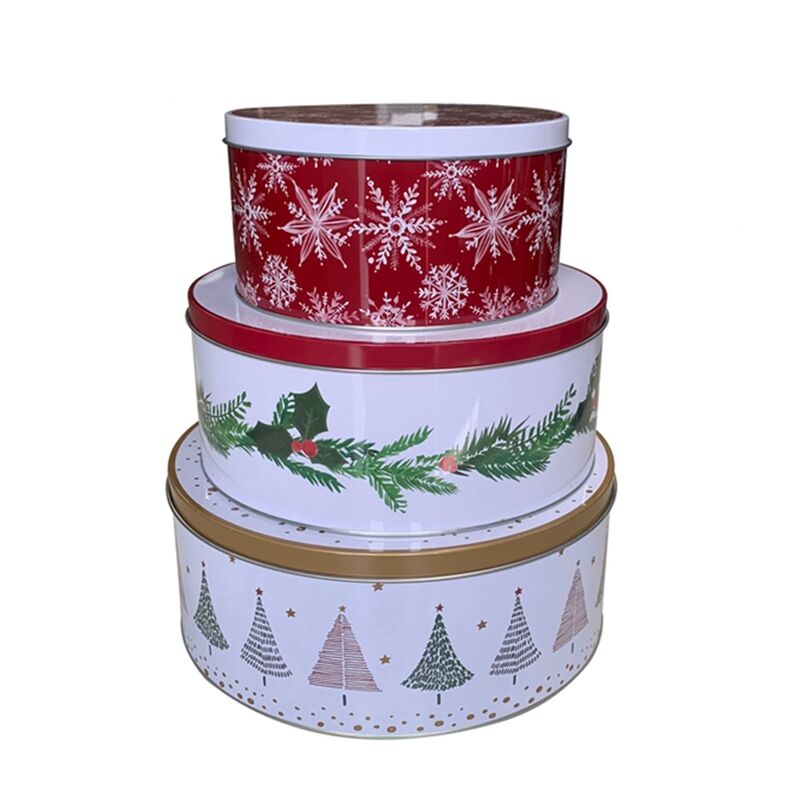
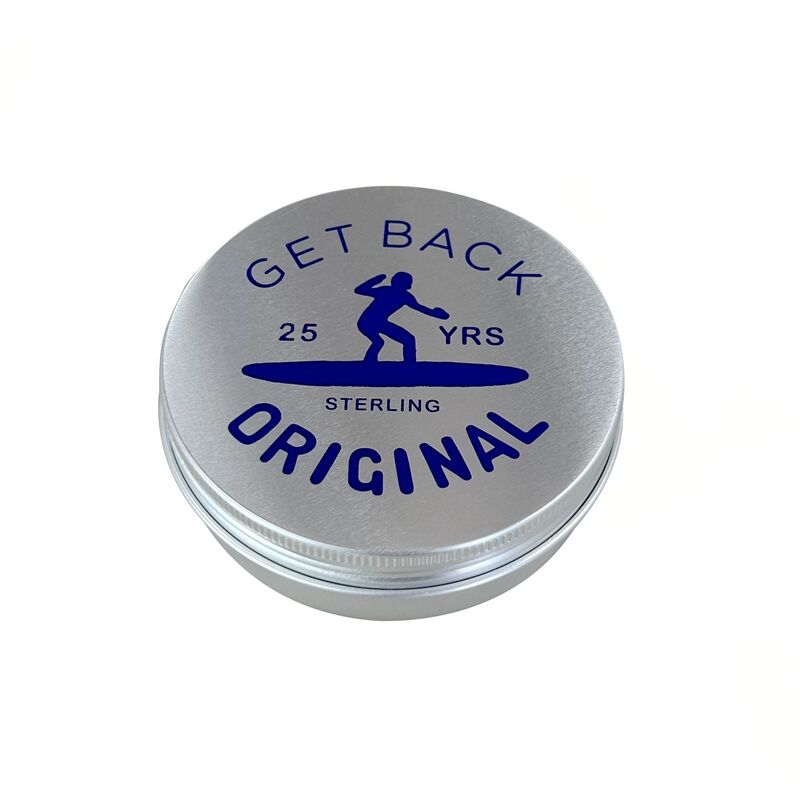
A mai versenyképes piaci környezetben a vállalkozások folyamatosan újító csomagolási megoldásokat keresnek, amelyek funkcionálitást és márkahitel-továbbító hatást egyaránt ötvöznek. Egy egyedi gyártású doboz tökéletesen ötvözi az erősség, az esztétikai vonzerejének és a marketinghatásnak a lehetőségét. Ezek a sokoldalú tárolóedények a leegyszerűsített tárolási megoldásokból erőteljes márkajelölő eszközökké fejlődtek, amelyek segítségével a cégek megkülönböztethetik termékeiket, miközben kiváló értéket nyújtanak ügyfeleiknek. Akár prémium minőségű teákat, kézműves csokoládét, promóciós termékeket vagy ipari alkatrészeket csomagol, az egyedi gyártású dobozok rendelésének és bevezetésének hatékony megismerése átalakíthatja termékei bemutatását és javíthatja az ügyfélélményt.
Az egyedi gyártású dobozok gyártási folyamatainak megértése
Anyagkiválasztás és minőségi szabványok
Egy kiváló minőségű egyedi doboz alapja a gondos anyagválasztás. A cinkbevonatos acél továbbra is a legnépszerűbb választás, mivel kiváló alakíthatósággal, korrózióállósággal és élelmiszer-biztonsági tulajdonságokkal rendelkezik. A vastagsága általában 0,15 mm és 0,30 mm között mozog, a vastagabb anyagok pedig megnövelt tartósságot biztosítanak nehéz üzemeltetési körülményekhez. A magas minőségű cinkbevonatos acél több bevonási folyamaton megy keresztül, köztük az elektrolitikus cinkbevonáson és védő lakközésen, így biztosítva, hogy egyedi doboza megőrizze megjelenését és szerkezeti integritását az élettartama során.
Az alternatív anyagok, például az alumínium könnyűséget és kiváló korrózióállóságot nyújtanak, ezért ideálisak prémium alkalmazásokhoz. A gyártási folyamat pontos vágási, alakítási és varrási műveleteket foglal magában, amelyekhez speciális berendezésekre és szakértelemre van szükség. A minőségellenőrzési intézkedések a teljes gyártási folyamat során biztosítják, hogy minden egyedi doboz megfeleljen a szigorú méreti tűréseknek és felületi minőségi követelményeknek, így nagy tételű gyártás esetén is konzisztens eredményeket érünk el.
Tervezési és nyomtatási lehetőségek
A modern egyedi dobozok gyártása fejlett nyomtatási technológiákat alkalmaz, amelyek élénk, részletgazdag grafikai reprodukciót tesznek lehetővé. Az offset litográfia továbbra is az aranystandard nagy mennyiségű gyártás esetén, kiváló színazonosságot és finom részletfelbontást nyújtva. A folyamat a művészeti anyag előkészítésével kezdődik, ahol a terveket a fém alapanyagra való nyomtatásra optimalizálják, figyelembe véve az olyan tényezőket, mint a festék tapadása, a színregisztráció és a felületkezelési követelmények.
A digitális nyomtatási technológiák kibővítették a rövid sorozatú, egyedi dobozok gyártásának lehetőségeit, költséghatékony megoldásokat kínálva kisebb mennyiségek esetén is, miközben megtartják a lenyűgöző minőségi szabványokat. A felületkezelési eljárások – például a matrica vagy fényes lakkolás, a pontszerű UV-kezelés és a domborítás – tapintással érzékelhető dimenziókat adnak, amelyek fokozzák egyedi dobozcsomagolása premium érzetét. Ezek a felületkezelési lehetőségek emlékezetes kibontási élményt teremtenek, amely erősíti márkaposícionálását és vásárlói hűségét.
Stratégiai üzleti alkalmazások egyedi dobozokhoz
Kiskereskedelmi és fogyasztói termékek csomagolása
A kiskereskedelmi környezetek olyan csomagolási megoldásokat igényelnek, amelyek megragadják a figyelmet, miközben megőrzik a termék integritását. Egy jól megtervezett egyedi doboz – amelyet fémhulladékból készítenek – csendes értékesítőként funkcionál, és vizuális történetmesélés révén közvetíti a márkához kapcsolódó értékeket és a termék előnyeit. A fémcsomagolásban rejlő újrahasznosíthatóság további értéket teremt a fogyasztók számára, akik gyakran tárolási vagy szervezési célokra használják fel az esztétikusan megjelenő dobozokat, így hosszabb távon is meghosszabbítva márkája jelenlétét mindennapi életükben.
Azok a termékkategóriák, amelyek jelentősen profitálnak az egyedi fém dobozokból készült csomagolásból, többek között a finomfalatok, a személyápolási termékek és a gyűjtődarabok. A fémcsomagolás gáttulajdonságai kiváló védelmet nyújtanak a nedvesség, a fény és az oxigén ellen, biztosítva ezzel a termék frissességét és meghosszabbítva az eltarthatósági idejét. Ez a védelem különösen fontos a prémium minőségű termékek esetében, ahol a minőség megőrzése közvetlenül befolyásolja az ügyfelek elégedettségét és a márkanevet.
Vállalati márkanév és promóciós alkalmazások
A vállalati ajándékozás és a promóciós kampányok jelentős hatást érnek el a stratégiai egyedi dobozok (konzervdobozok) alkalmazásával. Ezek a tárolók átalakítják az egyszerű promóciós tárgyakat emlékezetes, márkás élményekké, amelyeket a címzettek értékelnek és megtartanak. A fémcsomagolás általánosan érzékelt értéke gyakran meghaladja az alternatív anyagokhoz képest fellépő tényleges költségkülönbséget, pozitív márkaképet és növekedett visszahívási arányt eredményezve a célcsoportok körében.
Az eseménymarketing és a kiállítások alkalmazása különösen jól profitál testreszabható fémdoboz olyan megoldásokból, amelyek kombinálják a hordozhatóságot a vizuális hatással. A fémcsomagolás tartóssága biztosítja, hogy a promóciós anyagok tökéletes állapotban érkezzenek meg, miközben a prémium megjelenés erősíti a professzionális imázst és a részletorientált megközelítést. Számos vállalat egyedi konzervdobozokat használ be dolgozói elismerési programjaiba, ügyfélközpontú kezdeményezéseibe és évszakhoz igazított marketingkampányokba.
A maximális hatás érdekében szükséges tervezési szempontok
Színelmélet és márkaillesztés
Az eredményes egyedi doboztervezés fémdobozokhoz stratégiai színválasztással kezdődik, amely illeszkedik a meglévő márkavezéreltekhez, miközben figyelembe veszi a fém alapanyagok egyedi tulajdonságait. A színpszichológia kulcsszerepet játszik a fogyasztói észlelésben: a meleg színek általában energiát és izgalmat sugallnak, míg a hideg színek professzionális megjelenést és megbízhatóságot jeleznek. A fémfelületek tükröző tulajdonságai fokozhatják a színek élénkségét, azonban a tervezőknek figyelembe kell venniük a szín megjelenésének lehetséges változását különböző megvilágítási körülmények között.
A márkakonzisztencia kritikus fontosságúvá válik, amikor egyedi konzervdobozos csomagolást vezet be termékvonalába. A Pantone színegyeztetés biztosítja a márkaszínek pontos reprodukálását, miközben a betűtípusok gondos kiválasztása fenntartja az olvashatóságot a különféle konzervdoboz-méretek és -formák esetében. A háttérszínek és a szövegelemek közötti kölcsönhatást különös figyelemmel kell kezelni, hogy megfelelő kontrasztarányt érjen el optimális láthatóság és – ha alkalmazható – szabályozási előírások betartása érdekében.
Szerkezeti tervezés és funkció
A testreszabott dobozok háromdimenziós tervezése egyedi lehetőségeket kínál a kreatív kifejezésre, miközben megőrzi a gyakorlati funkciókat. Az alakzat kiválasztása jelentősen befolyásolja mind a gyártási költségeket, mind a felhasználói élményt: a téglalap alakú dobozok általában a leggazdaságosabb gyártást teszik lehetővé, míg a henger alakúak különleges megjelenést biztosítanak a polcon. Speciális alakzatok – például szívalakú vagy egyedi kontúrú dobozok – emlékezetes benyomást keltenek, de gondosan mérlegelni kell a szerszámozási költségeket és a minimális rendelési mennyiségeket.
A zárómechanizmusok egy másik kritikus tervezési elemet képviselnek, amelyek befolyásolják a funkcionálitást és a gyártási összetettséget egyaránt. A csúsztatható fedélkialakítás egyszerűséget és költséghatékonyságot kínál, míg a csuklós zárók magasabb minőségű érzetet és javított újrahasználhatóságot biztosítanak. Biztonsági funkciók – például a hamisításra utaló zárók – szükségesek lehetnek egyes alkalmazásoknál, különösen az élelmiszer- és gyógyszeriparban, ahol a termék integritása elsődleges fontosságú. Az egyszerű megnyitás és a megbízható zárás közötti egyensúlynak összhangban kell lennie a célcsoport felhasználói igényeivel és képességeivel.
Beszerzési és beszállítóválasztási stratégiák
Beszállítói értékelési szempontok
A sikeres egyedi fémdoboz-beszerzés kimerítő szállítóértékelést igényel, amely túlmutat az egyszerű árösszehasonlításon. A gyártási képességek értékelése során figyelembe kell venni a berendezések életkorát és karbantartási színvonalát, a termelési kapacitás elemzését, valamint a minőségirányítási rendszer tanúsítását. Az ISO-tanúsítások – különösen az ISO 9001 a minőségirányításra és az ISO 14001 a környezetvédelmi menedzsmentre – a szállító elköteleződését tükrözik a következetes folyamatok és a folyamatos fejlesztés iránt.
A földrajzi szempontok mind a költségeket, mind a logisztikai összetettséget befolyásolják: a helyi beszállítók előnyöket kínálnak a kommunikációban, a szállítási költségekben és a szállítási határidőkben, míg a nemzetközi beszállítók nagyobb tételű rendeléseknél költségelőnyt nyújthatnak. A beszerzési lánc rugalmassága egyre nagyobb jelentőségre tett szert, ezért a beszállítói diverzifikációs stratégiák elengedhetetlenek a személyre szabott dobozok folyamatos rendelkezésre állásának biztosításához. A beszállítók pénzügyi stabilitásának értékelése hozzájárul a hosszú távú partnerség fenntarthatóságának biztosításához, és csökkenti a gyártási megszakításokkal járó kockázatokat.
Költségkezelés és költségvetés-tervezés
Az egyedi dobozok (konzervdobozok) árazása több változót foglal magában, amelyeket gondos elemzésre van szükség a teljes tulajdonlási költség optimalizálásához. A szerszámozási költségek jelentős előre fizetendő beruházást jelentenek, különösen összetett formák vagy speciális zárómechanizmusok esetén. Ezeket a költségeket általában a gyártási mennyiségre osztják el, ezért a kereslet pontos előrejelzése döntő fontosságú a költséghatékony beszerzés érdekében. A mennyiségi kedvezmények gyakran meghatározott darabszámoknál lépnek életbe, így a megrendelések összevonásán alapuló stratégiák előnyös lehetőséget nyújtanak az optimális árképzési szintek eléréséhez.
Az alapanyagárak ingadozása, különösen a acél- és alumíniumpiacokon, jelentősen befolyásolhatja az egyedi dobozok költségeit az idővel. A hosszú távú beszerzési szerződések árvédelmi mechanizmusokkal segítenek stabilizálni a beszerzési költségeket, miközben biztosítják a folyamatos ellátást. A szállítási költségek jelentősen változnak a csomag méretétől, súlyától és a szállítási távolságtól függően, ezért a logisztika optimalizálása fontos eleme a teljes költségmenedzsmentnek. Egyes szállítók készletkezelési szolgáltatásokat is kínálnak, amelyek csökkenthetik a készlettartási költségeket, miközben biztosítják a pontosan időzített (just-in-time) szállítási ütemterveket.
Minőségbiztosítás és tesztelési eljárások
Előállítási érvényesítés
A teljes körű minőségbiztosítás a tervezési fázisban kezdődik, részletes műszaki leírásokkal, amelyek egyértelműen meghatározzák a méreti tűréseket, a felületi minőségi követelményeket és a teljesítményre vonatkozó szabványokat. A gyártás előtti minták lehetőséget nyújtanak az aktuális gyártási képességek értékelésére és potenciális problémák azonosítására még a nagyobb sorozatgyártás megkezdése előtt. Ezeket a mintákat alapos vizsgálatoknak vetik alá, ideértve a méretellenőrzést, a színegyeztetés értékelését, valamint a zárómechanizmusok funkcionális tesztelését.
Az anyagtanúsítványok dokumentációja biztosítja a vonatkozó ipari szabványoknak és szabályozási előírásoknak való megfelelést. Élelmiszer-biztonsági tanúsítványok elengedhetetlenek az egyedi dobozok (konzervdobozok) olyan alkalmazásai esetén, amelyek fogyasztási célú termékek tárolására szolgálnak, míg játékok vagy más fogyasztói cikkek esetében speciális vizsgálatok is szükségesek lehetnek. A prototípus-vizsgálatoknak valós használati forgatókönyveket kell tartalmazniuk, amelyek szimulálják az ügyfelek tényleges kezelési és tárolási körülményeit, így az esetleges hibamódokat már a piacra kerülés előtt azonosítani lehet.
Gyártási folyamat figyelése és végellenőrzés
A gyártási folyamat során folyamatos minőségellenőrzés megakadályozza, hogy hibás egyedi konzervdoboz egységek a végső csomagolási szakaszba kerüljenek. A statisztikai folyamatszabályozási módszerek segítségével állandó minőségi szintet lehet fenntartani, miközben azonosíthatók olyan tendenciák, amelyek esetleges gépek kopását vagy folyamateltérést jelezhetnek. Az inline ellenőrző rendszerek automatikusan észlelhetik a méretbeli eltéréseket, felületi hibákat és nyomtatási szabálytalanságokat, és kizárhatják a nem megfelelő egységeket még mielőtt költséges újrafeldolgozásra lenne szükség.
A végső ellenőrzési protokolloknak mind az esztétikai, mind a funkcionális követelményeket figyelembe kell venniük, hogy minden egyedi doboz megfeleljen a szállítás előtt meghatározott szabványoknak. A véletlenszerű mintavételi eljárások bizalmat nyújtanak a teljes gyártási minőség iránt, miközben az ellenőrzési költségeket is kezelik. Az ellenőrzési eredmények dokumentálása nyomon követhetőségi nyilvántartásokat hoz létre, amelyek támogatják a folyamatos fejlődési erőfeszítéseket, és bizonyítékot szolgáltatnak a minőségirányításban végzett gondos munkáról. A vevők speciális igényei további vizsgálatokat vagy tanúsítási eljárásokat is igényelhetnek, amelyeket be kell építeni a szokásos minőségellenőrzési protokollokba.
Fenntarthatóság és környezetvédelmi szempontok
Életciklus-elemzés és környezeti hatás
A modern vállalkozások egyre inkább az ökológiai felelősségvállalást helyezik előtérbe a csomagolási döntéseik során, így a személyre szabott dobozok fenntarthatósági jellemzői fontos kiválasztási szemponttá válnak. A fémcsomagolás természetes környezetvédelmi előnyöket kínál azáltal, hogy korlátlanul újrahasznosítható minőségromlás nélkül, ezzel támogatva a körkörös gazdaság elveit. Az alumínium és acél újrahasznosításához szükséges energia jelentősen kevesebb, mint az elsődleges gyártáshoz szükséges mennyiség, ezért a fogyasztó által visszajuttatott anyagok újrahasznosítása lényegesen csökkenti a szén-lábnyomot.
Az életciklus-elemzés szempontjai túlmutatnak a hulladékkezelési újrahasznosíthatóságon, és magukban foglalják az alapanyagok kitermelését, a gyártási folyamatokat, valamint a szállítási hatásokat. Azok a beszállítók, akik megújuló energiahordozókat alkalmaznak, hulladécsökkentő programokat vezetnek be, illetve vízmegtakarítási intézkedéseket hajtanak végre, hozzájárulnak az általános környezeti javuláshoz. Egyes egyedi fémdoboz-gyártók szénsemleges szállítási lehetőségeket kínálnak, vagy részt vesznek környezeti kárpótlási programokban, amelyek tovább csökkentik a projekt környezeti hatását.
Fenntartható tervezési gyakorlatok
A fenntarthatóság érdekében történő tervezési optimalizáció anyaghatékonyság-maximalizálást jelent, miközben megőrzi a szerkezeti integritást és az esztétikai vonzerejét. A falvastagság optimalizálása csökkenti az anyagfelhasználást anélkül, hogy kompromisszumot kötnénk a teljesítmény tekintetében, míg az hatékony elhelyezési („nesting”) tervek minimalizálják a gyártás során keletkező hulladékot. A felületkezelés kiválasztásánál figyelembe kell venni a környezeti hatásokat; a vízbázisú bevonatok és az alacsony VOC-tartalmú festékek környezetbarátabb alternatívákat nyújtanak a hagyományos oldószeres rendszerekhez képest.
A gondos tervezés által elérhető újrahasználhatóság-növelés meghosszabbítja a termék élettartamát, és növeli a fogyasztók értékérzékelését. Olyan funkciók, mint a könnyen tisztítható felületek, a tartós zárómechanizmusok és az időtlen esztétikai megoldások ösztönzik a fogyasztókat, hogy egyedi fémdobozokat tárolási vagy szervezési célokra is újrahasznosítsanak. A világos újrahasznosítási utasítások és az anyagazonosító jelölések támogatják a megfelelő készülékek életciklusának végén történő kezelését, így biztosítva a maximális újrahasznosítási részvételi arányt, amikor a tárolóedények végül eldobásra kerülnek.
Bevezetési időtáv és projektmenedzsment
Projekttervezés és mérföldkő-fejlesztés
A sikeres egyedi dobozokból készült fémdobozok bevezetéséhez gondos projekttervezés szükséges, amely tartalmazza a valósághű időkeretek kidolgozását és a mérföldkövek azonosítását. A kezdeti fogalmi fejlesztési és tervezési fázisok általában 2–4 hetet vesznek igénybe, attól függően, hogy milyen összetett a megrendelés és hány felülvizsgálati ciklus szükséges. A szerszámkészítés a leghosszabb egyedi fázis, amely gyakran 4–8 hetet vesz igénybe összetett tervek vagy speciális alakzatok esetén. A gyártási ütemezésnél figyelembe kell venni a beszállítók kapacitáskorlátait és az évszakhoz kötött keresleti ingadozásokat, amelyek befolyásolhatják a szállítási határidőket.
A kockázatkezelési terv elkészítése során azonosítani kell a lehetséges késéseket, és meg kell határozni a projektütemezés fenntartását szolgáló enyhítési stratégiákat. A tartalék beszállítók azonosítása, alternatív tervezési lehetőségek és készletpuffer-stratégiák segítenek biztosítani a projekt befejezését váratlan bonyodalmak ellenére is. A rendszeres haladásfelülvizsgálatok és kommunikációs protokollok minden érdekelt fél számára naprakész információkat nyújtanak a projekt állásáról, és lehetővé teszik a problémák proaktív kezelését, amint azok felmerülnek. A tanulságok dokumentálása hozzájárul a jövőbeli egyedi dobozgyártási projektek folyamatos fejlesztéséhez.
Bevezetés koordinálása és piaci bemutatás
A piaci bevezetés időzítésének koordinálása biztosítja az elegendő készlettel való rendelkezést, miközben minimalizálja a tárolási költségeket és a megsemmisülés kockázatát. A fokozatos bevezetési stratégiák lehetővé teszik a kezdeti piaci tesztelést korlátozott mennyiségben, mielőtt teljes méretű bevezetésre kerülne sor. Ügyféltájékoztató anyagokra szükség lehet a gondozási utasítások, az újrahasznosítással kapcsolatos információk vagy a testre szabott dobozcsomagolás egyedi jellemzőinek közlése érdekében. Az értékesítési csapat képzése biztosítja az egységes üzenetküldést és a vevők új csomagolási lehetőségekről szóló kérdéseire adott megfelelő válaszokat.
A teljesítményfigyelő rendszereknek nyomon kell követniük a kulcsfontosságú mutatókat, például az ügyfél-elégedettséget, a visszaküldési arányt és a versenytársak reakcióját a csomagolási változásokra. A visszajelzések gyűjtésére szolgáló mechanizmusok segítenek azon javítási lehetőségek azonosításában, miközben dokumentálják a jövőbeli projektek számára sikertényezőket. A szállítókkal tartandó rendszeres értékelő értekezletek fenntartják a folyamatos kapcsolatot, és lehetőséget biztosítanak a kezdeti piaci bevezetési fázisban felmerülő bármely teljesítménnyel kapcsolatos probléma kezelésére.
GYIK
Milyen minimális rendelési mennyiségek jellemzőek egyedi dobozok gyártása esetén
Az egyedi dobozok gyártására vonatkozó minimális rendelési mennyiségek általában 1000 és 10 000 darab között mozognak, a komplexitástól, a mérettől és a beszállító képességeitől függően. A szokványos téglalap alakú dobozok egyszerű nyomtatással gyakran alacsonyabb minimális mennyiséget igényelnek, míg a bonyolult formák vagy speciális funkciók esetén magasabb tételek szükségesek a minták és szerszámok költségeinek megtérülése érdekében. A digitális nyomtatási technológiák lehetővé tették egyes beszállítók számára, hogy bizonyos alkalmazásokra kisebb minimális mennyiségeket kínáljanak, bár az egységár továbbra is magasabb marad, mint a hagyományos offset nyomtatási eljárások esetében.
Hogyan változnak a szállítási határidők különböző egyedi dobozspecifikációk esetén
A testreszabott dobozok gyártásának szállítási ideje jelentősen változhat a tervezés összetettségétől és a beszállító terheltségétől függően. Az egyszerű, meglévő szerszámokkal készíthető tervek esetében csak 2–3 hét szükséges, míg teljesen egyedi formák, amelyek új szerszámok gyártását igénylik, általában 8–12 hetet vesznek igénybe. A csúcsidőszakok – például a ünnepi ajándékcsomagolás időszaka – gyakran meghosszabbítják a szállítási időt a növekedett kereslet miatt. A nemzetközi szállítás további időt igényel, különösen akkor, ha vámkezelés vagy különleges kezelési követelmények is szükségesek.
Mely tényezők befolyásolják legjelentősebben a testreszabott dobozok árát
A testreszabott dobozok ára számos tényezőtől függ lényegesen, ahol a szerszámozási költségek, az anyagválasztás és a rendelési mennyiség a legfontosabb meghatározó tényezők. A bonyolult formák drága, egyedi szerszámozást igényelnek, amelyeket a gyártási mennyiségre kell elosztani, így a nagyobb tételmennyiségek gazdaságosabbak. Az anyag vastagsága és minőségi osztálya mind az alapanyag-költségeket, mind a gyártási összetettséget befolyásolja. A nyomtatás színváltozatai, speciális effektek és felületkezelési lehetőségei is jelentősen hozzájárulnak a végösszeghez.
Vannak-e szakmai szabályozási követelmények a különböző iparágakban használt testreszabott dobozokra?
A szabályozási követelmények a személyre szabott dobozokra vonatkozóan jelentősen eltérnek az iparág és a földrajzi piac szerint. Az élelmiszerrel érintkező alkalmazások esetében az Egyesült Államokban az FDA előírásainak, más piacokon pedig hasonló élelmiszer-biztonsági szabványoknak kell megfelelni. A gyermektermékek esetleg játékbiztonsági tanúsításokat igényelhetnek, míg a gyógyszeripari alkalmazások specifikus gázzáró tulajdonságokat és hamisításbiztosító funkciókat követelnek meg. A nemzetközi piacok gyakran egyedi címkézési követelményekkel, újrahasznosítási szimbólumokkal vagy anyagfeltüntetési szabványokkal rendelkeznek, amelyeket be kell építeni a személyre szabott dobozok tervezésébe.
Tartalomjegyzék
- Az egyedi gyártású dobozok gyártási folyamatainak megértése
- Stratégiai üzleti alkalmazások egyedi dobozokhoz
- A maximális hatás érdekében szükséges tervezési szempontok
- Beszerzési és beszállítóválasztási stratégiák
- Minőségbiztosítás és tesztelési eljárások
- Fenntarthatóság és környezetvédelmi szempontok
- Bevezetési időtáv és projektmenedzsment
-
GYIK
- Milyen minimális rendelési mennyiségek jellemzőek egyedi dobozok gyártása esetén
- Hogyan változnak a szállítási határidők különböző egyedi dobozspecifikációk esetén
- Mely tényezők befolyásolják legjelentősebben a testreszabott dobozok árát
- Vannak-e szakmai szabályozási követelmények a különböző iparágakban használt testreszabott dobozokra?