
 EN
EN
 AR
AR BG
BG HR
HR CS
CS DA
DA NL
NL FI
FI FR
FR DE
DE EL
EL IT
IT JA
JA KO
KO NO
NO PL
PL PT
PT RO
RO RU
RU ES
ES SV
SV CA
CA IW
IW ID
ID LV
LV LT
LT SR
SR SK
SK SL
SL UK
UK VI
VI SQ
SQ HU
HU TR
TR FA
FA MS
MS GA
GA CY
CY LA
LA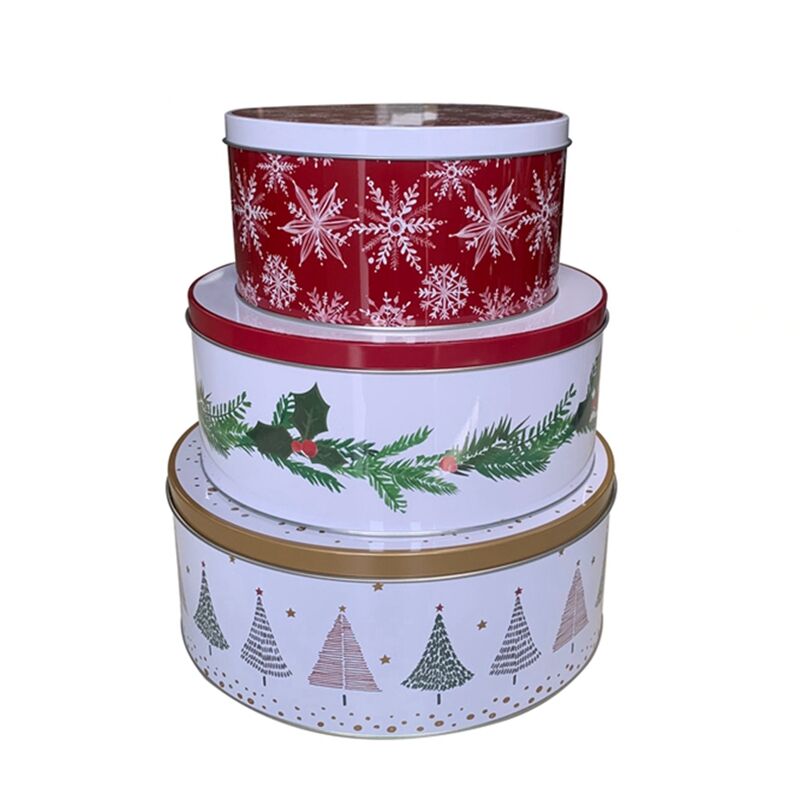
In aemula mundi theae venditionis et distributionis, conformatio magnam partem agit in conservanda qualitate producti simul atque creando inmemorabili experientia brandi. Follis theae ferratus perfectam unionem repraesentat inter utilitatem et pulchritudinem, praebens praestantem protectionem pro delicatis foliis theae dum simul fungitur potentissimo instrumento ad promovendum brandum. Modernae res mercatoriae magis magisque agnoscunt conformationem idoneam posse magnopere influere in perceptionem clientium, recentiam producti, et in totam efficaciam venditionum. Evolutio technologiae conformationis effecit ut fieri possint solutiones ad mensuram factae quae non solum protegunt productum sed etiam narrare possint persuasivam historiam brandi per innovativum designum et materia prima praestantissima.

Intellegere Scientiam Quae Substat Conservationi Theae
Proprietātēs Praesidiōrum Obstruendi
Praecipuum cuiuslibet thecae ad tehonem finis longe ultra simplicem continentionem porrigitur, complexam scientiam conservationis complectens quae directe influat retentationem saporis et producti diuturnitatem. Vasa metallica praestantissimas proprietates barrierales adversus umorem, oxygenium, lucem, et odora externa praebent, quae qualitatem tehonis per longos tempus corrumpere possunt. Studia ostendunt thecas stanneas bene clausas freschitatem tehonis usque ad triennium servare posse, contra vasa ex charta vel plastico quae typice qualitatem solum sex ad duodecim menses conservant. Structura molecularis stanni sigillum impermeabile creat quod composta volatilia effugere prohibet, dum simul factores noxios ambientales a vasculo penetrare prohibet.
Stabilitas temperaturae alterum praecipuum metalli vasorum beneficium repraesentat, quoniam vasa stannea condiciones internas constantes retinent, quamvis temperaturae externae varient. Haec regulatio thermica condensationem prohibet, quae ad fungorum incrementum vel saporis deterioriationem ducere posset, praesertim in pretiosis theae varietatibus, quae altiores pretii mercatus habent. Technologiae avan-tatae obducendi, quae modernis superficiebus stanneis applicentur, protectionem ulterius augent, creando barrierae additiciae adversus reactiones chemicas, quae saporem mutare aut substantias salutares, quae naturaliter in foliis theae continentur, minuere possent.
Mechanismae Hermeticis Obsignandi
Hodiernae thecarum designationes tinctoriae sophisticatas includunt clausurae machinationes quae optimam integritatem conservandi theam per plures clausurae puncta et praecisam machinationem garant. Technicae duplicis sutilis constructionis fere aëreae ambientes creant quae oxidationem impediunt, causam saporis obsoleti et minorationis potentiae in theis repositis. Haec systemata claudendi utuntur gasketis compressionis et aptationibus interfectionis quae integritatem servant etiam sub variabilibus conditionibus pressionis atmosphaericae aut tractatione physica durante transporto et conservatione.
Mechanismi sigillandi gradus professionalis etiam commoditatem consummatorum admittere per proprietates facile aperiendi quae integritatem sigilli servant per usus multiplices. Haec aequilibratio inter aditum et protectionem efficit ut consummatores ultimi saepius adire possint ad producta sine detrimento efficaciae longi temporis servandorum, quod tandem ducit ad maiorem satisfactionem clientium et ad comportamentum repetitae emptionis quod tam mercatores quam distributores prodest.
Versatilitas Design et Optiones Customization
Technicae Tractationis Superficiei
Processus fabricandi moderni late patet facultas ad aptandum superficies theearum scyphorum, ut marcae ementur confectionem distinctam quae cum certis demographiis consonet, dum tamen excellentia functionalis maneat. Technologiae impressionis digitalis subministrant reproductionm graphicorum altissimae resolutionis, quae designa intricata, photographemata, et schemata colorum complexa in superficiebus curvatis metallicis vivificat. Haec facultates impressoriae provectae permittunt marcas ostendere originem producti, instructiones ad infundendum, informationem de ingredientibus, et narrationes visuales persuasivas, quae valorem perceptum et engagementum consummatorum augent.
Applicationes speciales stratorum praebent ulteriores occasiones ad aptandum per variationes texturae, finitiones metallicas et strata protectiva quae tam venustatem quam durabilitatem augent. Finitiones mates, lucidae et satinae diversas experientias tactiles creant, dum strata specialia proprietates antimicrobianas vel resistentiam ad abrasionem auctam incorporare possunt ad longevitatem meliorem. Technicae embossing et debossing elementa dimensionalia addunt quae experientias tactiles praestantias creant, praesertim efficaces pro brandis theae luxuriosae quae per praesentationem emballagii auctam pretia altiora iustificare conantur.
Configurationes Figurae et Magnitudinis
Versatilitas fabricandi stannum permittit fere infinitas combinationes formarum et magnitudinum, ut marcae solutiones imballatorias creare possint quae ad exactas quantitates productorum et ad strategias positionis in mercatu optime accomodentur. Formae rotundae, quadratae, oblongae et geometricae ad usus diversos in ostentatione in scaphis aptantur, simul efficiens optimam utilitatem spatii in toto choro suppeditationis. Variationes magnitudinum a portionibus pro experimento, quae unam tantum cibationem continent, ad contentores magni voluminis, qui ad usus in administratione ciborum idonei sunt, se extendunt, ut solutiones aptae ad diversa segmenta mercatus semper praebeari possint.
Designs superponibiles spatium commerciale optime utuntur, dum simul ordines visu pulchros creant qui attentionem consummatorem trahunt et impulsum ad emptionem favent. Considerationes ergonomicae in designo theearum scatularum usum commodum omnibus aetatibus consummatorum confirmant, dum integritas structurae sub condicionibus normalibus usus manet. Haec elementa designi ad experientias usoris positivas conferunt quae fidem in brandum roborant et commendationes ore ad auriculam in mercatis destinatis foveant.
Pulchritudo Fabricationis et Normae Qualitatis
Criterium Selectionis Materialis
Fabricatio praemiorum vasorum stanneorum incipit a curatis processibus selectionis materiae, quae ciborum tutelam, durabilitatem et responsabilitatem ambientalem in toto ciclo productionis praeponunt. Materiae stanneae ad usus cibarios subiciuntur examinibus rigoris ut conformitas cum normis internationalibus de tutela ciborum comprobetur, simul optima protectio pro sensibilibus theis praebetur. Prudentes rationes quaerendarum materiarum primarum efficiunt ut materiae ex fornitoribus responsabilibus proveniant, qui se dedere curae ambienti et honestis rationibus negotiorum, quae cum valoribus consummatorum hodiernorum congruunt.
Composita legatorum praecipua robur augent dum proprietates levis retinent, quae impensas transportis et effectum in medii ambientes minuunt dum distribuuntur. Haec materia resistunt corrosioni, impressionibus, et deformationi sub condicionibus normalibus tractationis, simul adiuventia conatus recuperationis quae ad consummatos conscios medii ambientis placent. Cura qualitatis per totum processum electionis materiae certam praebet operationem in magnis productionibus, famam brandi servans per fidam distributionem productorum.
Control of production process
Fabricae manufactoriae ultimae aetatis machinis praecisis et systematibus automaticis custodiae qualitatis utuntur ut certificent omne thecae theae adstrictis dimensionum praecisionis, integritatis signaculi et superficiei qualitatis specificatis satisfacit. Processus formatio per computatrum regiminis variationes quae functionem laedere possent tollunt, dum tamen efficaces productionis celeritates ad pretia competitiva in applicationibus voluminosis necessariae servantur. Systemata monitoris in tempore reali parametra critica per totam productionem observant, quae correctiones statim permittunt ut producta vitiosa in catenam suppeditationis non ingrediantur.
Protocolla experimentorum completa validant vim sigilli, durabilitatem superficiei et integritatem structuralem generalem per experimenta aetatis acceleratae, quae conditiones diuturnae conservationis simulantes sunt. Haec adhibita ad certificandam qualitatem praestantiam constantem per varia condicionum ambientium genera, simul documenta suppeditantia quae ad observantiam regulaminum in mercatus internationales necessaria sunt. Initiativae ad meliorationem continuam commentarios clientium et technologias novas adhibent ut efficacia productionis augeretur, dum tamen summae qualitatis normae inviolatae manent.
Applicationes Mercatus et Commoda Industriae
Praerogativae Positionis in Mercato
Electio strategica pachorum magnopere influent in decisiones emptionis a consumatoribus, cum optiones canistrorum stanneorum pro thea praemio creant valorem perceptum qui subsidium praebet maioribus marginibus lucri mercatoribus et distributoribus. Studia indicant consumatores vascula metallica cum qualitate et recentia associare, quod ad maiorem voluntatem pretia praemia solvendi ducit pro productis in speciosis canistris stanneis exhibitis. Haec associatio psychologica permittit ut marcae producta in superiore segmento mercati collocent, dum pretia praemia per meliorem praesentationem pachorum iustificant.
Optimizatio praesentiae in scaphis per designa distincta de stanno competitivas praebet advantagias in locis emporicis congestis, ubi species visibilis directe influunt in praestationem venditionum. Imagines oculis percipiendae, figurae singulares, et finitiones praestantissimae adiuvant ut producta inter aemulos emineant, dum simul valorem brandi et commoda producti consummatoribus tempore pressis, qui celeres decisiones emptionis faciunt, enarrant. Haec commoda imballagii in meliores rates conversionis inventarii et in firmiores relationes cum mercatoribus, quae super mutua lucrativitate fundantur, convertuntur.
Supple Chain Efficiency
Durabiles constructionis proprietates qualificatorum vasorum stanneorum minuunt amissionem producti in transportu et in custodia, quae efficiunt ut tota ratio suppeditationis efficacior fiat, dum minuuntur impensae quae ex abusu oriuntur. Formae aptae ad congerendum spatium magazini optime utuntur et efficacitatem onerandi carrus augent, quae impensas per unitatem mittendi minuunt, ut utrique partes — suppeditatores et emptores — fruantur pretiis competitivis. Etiam natura robusta emballagii metallici minuit querelas de damno in manibus tractandis et reditus productorum, quae graviter possunt lucrum in operationibus distributionis magnae quantitatis afficere.
Facultates vitae in tabula productorum prolongatae strategias gestionis inventarii flexibiliores permittunt, necessitatem cyclorum refurniendi frequenter minuentes dum retia distributionis geographice latiora suffragantur. Haec viabilitas prolongata permitit mercatoribus minores quantitates reservatae tenere, dum tamen constantia in praebendo productis ad clientes servatur, quod denique rationem pecuniarium meliorat et impensas ferendas per totam catenam distributionis minuit.
Sustentabilitas et Considerationes Environmental
Commoda Recyclabilitatis
Hodierni consumptores magis magisque praestant rationem de officio erga ambientem in decisionibus emptionis, ita ut recyclabilitas vasorum stanneorum pro thea magnus praebet praeventus competitivus pro prudenter progressistis brandis. Materialia stannea fere centesimum pro cento recyclari possunt per constitutas systemata collectionis et elaborationis, ita ut vasa usitata in nova producta converti queant absque degeneratione qualitatis. Haec ratio oeconomicae circularis minuit impetum in ambientem dum simul ad allectandos consumptores conscios de rebus ambientibus, qui activiter quaerunt solutiones pro confectionibus sustentabilibus.
Durabilitas quoque vasorum stanneorum usum repetitum iuvat, cum multi consumatores vasa stannea speciosa post consummationem producti originalis ad conservandum, ordinandum aut ornandum rursus utantur. Haec utilitas prolata occasionem praebet ulteriorem ad notitiam brandi augendam, simul demonstrans responsabilitatem ambientalem quae rationes cum clientibus et fidem in brandum per tempus roborat. Nuntii educativi de rectis rationibus recyclandi ulterius famam brandi augere possunt, dum initiativa latiora de sustentabilitate adiuvant.
Optimizatio Pes Carbonis
Processus fabricandi peritos et emendationes efficacitatis in vehendo continuo minuunt impetum ambientalem productionis theae in scatulis stanneis, dum competitivitas pretii manet cum materiis alternativis ad involvendum. Optimisationes levis formae minuunt consummationem combustibilis in vehendo, dum proprietates defensivae, quae integritati producti sunt necessariae, servantur. Strategiae pro materia prima et pro productis finitis ex regionibus vicinis ulterius minuunt emissiones quae ex vehendo oriuntur, simulque developmentum oeconomicorum regionalium favent.
Assessmentes cycli vitae demonstrant quod durabilem confectionem ex metallo saepe praestare melius posse in performance ambientali quam alternativa abicienda, si longiores periodi usus et recyclabilitas post finem vitae considerentur. Haec analysia comprehensiva argumenta promovendi sustentant quae responsabilitatem ambientalem accentuant, simulque data substantia praebent pro relationibus corporis de sustentabilitate, quae a partibus interessatis et a corporibus regulatoriis iam magis exiguntur.
FAQ
Quae sunt typica tempora conservandi quae aereis theinis vasculis praebentur, comparata ad alia materia?
Aerea theina vasa qualitatis saepius producti tempus conservandi duplicant vel triplicant, comparata ad alternativa ex charta vel plastico, cum vaseis bene obsignatis quae optimam recentiam usque ad triennium sub condicionibus normalibus servare possunt. Haec facultas conservandi longioris temporis ex praestantibus proprietatibus barrierae contra umorem, oxygenium, lucem et odora externa oritur, quae saepius causant degradatio gustus in aliis generibus vasculorum. Investitio in praeclaros vasculorum stanneorum saepe sibi ipsam solvit per minuendum absumptum producti et per meliorem satisfactionem clientium propter constantem qualitatem per longiores periodos.
Quomodo optiones personalizandi quantitates ordinum minimarum et pretia afficiunt?
Complexitas personalisationis directe influentia habet in minimis ordinibus exigendis: simplices impressiones in superficie communiter ordinibus 1 000–5 000 unitatum indigent, dum autem modificatio formarum complexa vel finitiones speciales minimas quantitates 10 000 unitatum aut plures postulant. Tamen technologiae impressionis digitalis has minima minuunt, dum processus fabricandi periti personalisationem reddunt magis pretio aequam pro minoribus brandis. Cum fabris peritis cooperari potest ad strategias optimisationis inveniendas quae desideria personalisationis cum limitibus pecuniariis et cum exigentiis quantitatum ordinum conciliant.
Quae certificata qualitatis emptores quaerere debent, cum fornices theinales deligunt?
Certificationes necessariae includunt approbationem FDA pro superficiebus quae cum cibis contactum habent, normas de administratione qualitatis ISO 9001, et certificationes de ciborum securitate BRC aut SQF, quae constantem adhaesionem ad postulationes internationales de securitate confirmant. Praeterea, certificationes ambientales, ut FSC de custodia catenae aut verificatio contenti recyclati, demonstrationem praebent dedicationis ad practicas sustentabilitatis, quae modernis consumatoribus cotidie magis important. Suppeditatores probati libenter documenta harum certificationum praebent una cum specificatis exactis de materiis, processibus productionis, et proceduris de controllo qualitatis.
Quomodo emballagium stanneum in diversis conditionibus climaticis et in scenariis navigationis internationalis se gerit?
Vasa stannea praestant in variis condicionibus climaticis propter excellentem stabilitatem thermicam et resistentiam adversus umorem, quae condensationem internam vel degradatum producti propter temperaturam prohibent. Constructio robusta fluctuationes temperaturarum, variationes umoris et mutationes pressionis atmosphaericae, quas inter nationalem navigationem experientur, sustinet sine integritate sigilli aut stabilitate structurale laesa. Haec fiducia facit ut emballatio theae in vasis stanneis praesertim idonea sit ad retia distributionis globalis, ubi producta possunt conditiones ambientales extremas per longos periodos transportis experiundi.
Index Contentorum
- Intellegere Scientiam Quae Substat Conservationi Theae
- Versatilitas Design et Optiones Customization
- Pulchritudo Fabricationis et Normae Qualitatis
- Applicationes Mercatus et Commoda Industriae
- Sustentabilitas et Considerationes Environmental
-
FAQ
- Quae sunt typica tempora conservandi quae aereis theinis vasculis praebentur, comparata ad alia materia?
- Quomodo optiones personalizandi quantitates ordinum minimarum et pretia afficiunt?
- Quae certificata qualitatis emptores quaerere debent, cum fornices theinales deligunt?
- Quomodo emballagium stanneum in diversis conditionibus climaticis et in scenariis navigationis internationalis se gerit?