
 EN
EN
 AR
AR BG
BG HR
HR CS
CS DA
DA NL
NL FI
FI FR
FR DE
DE EL
EL IT
IT JA
JA KO
KO NO
NO PL
PL PT
PT RO
RO RU
RU ES
ES SV
SV CA
CA IW
IW ID
ID LV
LV LT
LT SR
SR SK
SK SL
SL UK
UK VI
VI SQ
SQ HU
HU TR
TR FA
FA MS
MS GA
GA CY
CY LA
LA
The storage capabilities of containers have evolved significantly over the years, with manufacturers constantly seeking innovative solutions to preserve product freshness while maintaining cost-effectiveness. When examining modern packaging options, many consumers and businesses wonder about the sealing properties of hybrid containers that combine different materials. The integration of plastic lids with metal containers represents a practical approach to packaging that addresses both functionality and economic considerations. Understanding the airtight properties of these containers requires careful examination of their construction methods, seal mechanisms, and real-world performance across various applications.
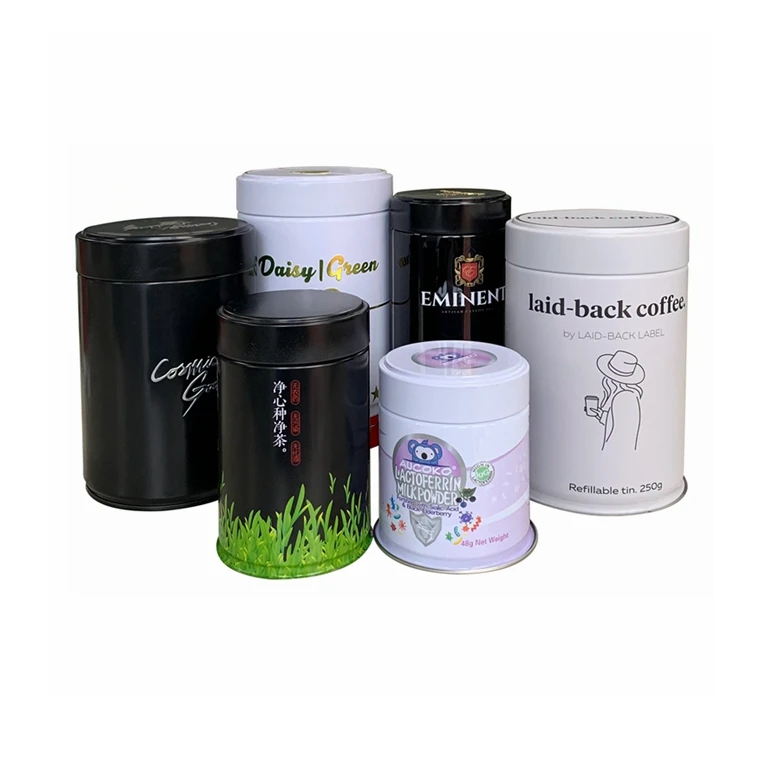
Modern manufacturing techniques have enabled the creation of hybrid containers that leverage the strengths of both metal and plastic materials. The metal body provides durability, protection from light, and excellent barrier properties against moisture and gases. Meanwhile, plastic lids offer flexibility in design, cost-effective production, and the ability to incorporate various sealing mechanisms. This combination has become increasingly popular across industries ranging from food packaging to industrial storage solutions.
The effectiveness of these containers depends heavily on the precision of manufacturing processes and the quality of materials used. High-grade food-safe plastics combined with properly constructed metal bodies can achieve excellent airtight properties when engineered correctly. The key lies in understanding how these materials work together to create an effective barrier against environmental factors that could compromise stored contents.
Understanding Airtight Seal Technology in Hybrid Containers
Sealing Mechanism Design
The airtight properties of containers with plastic lids depend primarily on the sealing mechanism design and the precision of manufacturing tolerances. Modern plastic lids incorporate various sealing technologies, including compression gaskets, threaded interfaces, and snap-fit designs that create multiple points of contact with the metal container rim. The effectiveness of these seals relies on consistent pressure distribution around the entire circumference of the container opening.
Advanced sealing systems often feature dual-stage mechanisms where an initial snap or thread engagement provides basic closure, while a secondary compression element creates the actual airtight seal. This design approach ensures that even if one sealing element experiences slight degradation over time, the backup system maintains container integrity. The materials used in these sealing elements must be carefully selected for compatibility with both the stored contents and the external environment.
Temperature variations can significantly impact sealing performance, as different materials expand and contract at different rates. Quality manufacturers account for these thermal dynamics by selecting materials with compatible expansion coefficients and designing sealing interfaces that maintain effectiveness across expected temperature ranges. This consideration is particularly important for containers intended for long-term storage or those exposed to varying environmental conditions.
Material Compatibility and Performance
The interaction between plastic lid materials and metal container bodies requires careful consideration of chemical compatibility and mechanical properties. Different plastic formulations offer varying levels of flexibility, chemical resistance, and aging characteristics. Polyethylene, polypropylene, and specialized engineering plastics each bring distinct advantages to sealing applications, with selection depending on specific performance requirements and cost considerations.
Long-term performance testing reveals that properly formulated plastic materials can maintain their sealing properties for extended periods when protected from UV radiation and extreme temperatures. The Metal Tin industry has developed standardized testing protocols that simulate years of use through accelerated aging processes, providing reliable data on expected performance lifespans.
Chemical resistance becomes particularly important when containers are used to store products with strong odors, oils, or acidic contents. Modern plastic formulations incorporate additives that enhance resistance to specific chemicals while maintaining flexibility and sealing effectiveness. This chemical compatibility ensures that the container maintains its protective properties while preventing contamination or flavor transfer.
Testing Methods for Airtight Performance
Laboratory Testing Protocols
Professional testing of airtight properties involves sophisticated measurement techniques that can detect extremely small leakage rates. Pressure decay testing involves pressurizing containers and monitoring pressure changes over time to identify seal failures. This method provides quantitative data on leakage rates and can detect problems that might not be apparent through visual inspection alone.
Helium leak testing represents another advanced method where containers are filled with helium and tested using mass spectrometry to detect even microscopic leaks. This technique offers exceptional sensitivity and can identify potential failure points before they become problematic in real-world applications. The precision of these tests allows manufacturers to establish quality control standards that ensure consistent performance across production runs.
Accelerated aging tests subject containers to elevated temperatures, humidity cycles, and mechanical stress to simulate months or years of normal use in compressed timeframes. These tests reveal how sealing materials perform over time and help identify potential failure modes before products reach consumers. The data from these tests informs design improvements and material selection decisions.
Real-World Performance Evaluation
Field testing involves placing containers in actual use environments to evaluate performance under real conditions. This testing approach reveals factors that may not be apparent in controlled laboratory settings, such as the impact of handling practices, storage conditions, and user interaction patterns. Real-world testing provides valuable feedback for design optimization and user education initiatives.
Consumer feedback studies track the performance of containers over extended use periods, gathering data on seal effectiveness, ease of use, and durability. This information helps manufacturers understand how their products perform in diverse applications and environments. The insights gained from these studies drive continuous improvement in design and manufacturing processes.
Comparative testing against traditional all-metal containers provides benchmarking data that helps establish performance standards and identify areas for improvement. These comparisons consider factors such as initial sealing effectiveness, long-term performance, and resistance to various environmental stressors. The results help both manufacturers and users make informed decisions about container selection for specific applications.
Factors Affecting Seal Integrity Over Time
Environmental Stress Factors
Environmental conditions significantly impact the long-term performance of plastic lid sealing systems. Temperature fluctuations cause repeated expansion and contraction cycles that can gradually weaken sealing interfaces. Extreme heat can accelerate plastic aging processes, leading to hardening or cracking that compromises seal integrity. Cold temperatures may cause materials to become brittle or lose flexibility needed for effective sealing.
Humidity variations affect both the plastic lid materials and any organic sealing elements within the closure system. High humidity can promote degradation of certain plastic formulations, while extremely dry conditions may cause some materials to lose flexibility. UV radiation exposure, particularly in outdoor storage applications, can cause photodegradation of plastic materials, leading to reduced sealing effectiveness over time.
Chemical exposure from stored contents or external contamination can impact sealing material properties. Oils, acids, and volatile organic compounds may cause swelling, shrinkage, or chemical breakdown of plastic components. Understanding these interactions is crucial for selecting appropriate container systems for specific storage applications and establishing proper handling protocols.
Mechanical Wear and Usage Patterns
Repeated opening and closing cycles subject sealing interfaces to mechanical wear that can gradually reduce effectiveness. The frequency and manner of use significantly impact seal longevity, with rough handling or improper closure techniques accelerating wear patterns. Design features such as visual alignment guides and tactile feedback mechanisms help ensure proper closure and extend seal life.
Impact damage from dropping or rough handling can cause deformation of sealing surfaces that prevents proper engagement. Even minor damage to critical sealing areas can significantly compromise airtight properties. Quality container designs incorporate features that protect sealing surfaces from damage while maintaining ease of use for consumers and industrial applications.
Threading wear in screw-on lid designs represents a common failure mode where repeated use gradually degrades the precision fit needed for effective sealing. Advanced thread designs incorporate features that distribute wear across larger surface areas and maintain sealing effectiveness despite moderate thread wear. Regular inspection and replacement schedules help maintain optimal performance in commercial applications.
Comparative Analysis with Traditional All-Metal Containers
Performance Benchmarking
Traditional all-metal containers with crimped or soldered lids have established performance benchmarks for airtight storage applications. These containers typically achieve excellent initial seal quality and maintain consistent performance over extended periods. However, they often lack the convenience of easy opening and resealing that plastic lid systems provide, limiting their applicability in certain market segments.
Hybrid containers with plastic lids can achieve comparable or superior sealing performance to traditional metal containers when properly designed and manufactured. Advanced sealing technologies enable these containers to meet or exceed industry standards for oxygen transmission rates, moisture vapor transmission, and pressure retention. The key advantage lies in combining excellent barrier properties with user-friendly functionality.
Cost considerations often favor hybrid designs due to reduced material costs and simplified manufacturing processes. Plastic lids can be produced using high-volume injection molding techniques that are more cost-effective than traditional metal forming processes for closures. This economic advantage allows manufacturers to invest in higher-quality base materials while maintaining competitive pricing.
Application-Specific Performance
Different storage applications place varying demands on container sealing systems, with some favoring the characteristics of hybrid designs over traditional approaches. Food storage applications benefit from the ease of opening and resealing that plastic lids provide, while maintaining the protection and shelf appeal of metal containers. Industrial applications may prioritize durability and chemical resistance over convenience factors.
Long-term storage applications require containers that maintain sealing effectiveness for months or years without intervention. Both traditional and hybrid designs can meet these requirements when properly specified, but hybrid containers often provide better accessibility for periodic inspection and testing. The ability to easily check stored contents without damaging the container represents a significant advantage in many applications.
Shipping and handling requirements may favor one design approach over another depending on the specific stressors encountered during distribution. Hybrid containers with plastic lids may offer better resistance to impact damage that could compromise all-metal closures, while traditional designs might perform better under extreme temperature conditions encountered during transport.
Best Practices for Maintaining Airtight Properties
Proper Handling and Storage Techniques
Maintaining the airtight properties of containers with plastic lids requires attention to proper handling techniques and storage conditions. Clean sealing surfaces before each closure to prevent contamination that could interfere with proper sealing. Inspect sealing areas regularly for signs of wear, damage, or contamination that could compromise performance. Store containers in stable environmental conditions when possible to minimize stress on sealing materials.
Training programs for personnel handling these containers should emphasize proper closure techniques and inspection procedures. Visual and tactile cues that indicate proper sealing help ensure consistent performance across different users. Documentation of handling procedures and performance monitoring helps identify trends and potential issues before they impact stored contents.
Environmental control measures such as temperature regulation and humidity management can significantly extend the service life of sealing systems. When possible, avoid exposing containers to extreme temperatures or rapid temperature changes that could stress sealing interfaces. Proper ventilation and air quality management help prevent chemical contamination that could degrade sealing materials over time.
Inspection and Maintenance Protocols
Regular inspection schedules should include visual examination of sealing surfaces, functional testing of closure mechanisms, and documentation of any changes in performance. Simple tests such as vacuum retention or pressure testing can provide early warning of declining seal effectiveness. Replacement schedules based on usage patterns and environmental exposure help maintain optimal performance.
Cleaning procedures must balance effective contamination removal with protection of sealing surfaces. Gentle cleaning agents and soft brushes prevent damage to critical sealing interfaces while removing accumulated debris or residue. Proper drying procedures ensure that moisture does not compromise sealing effectiveness or promote degradation of materials.
Documentation systems that track container performance over time provide valuable data for optimizing maintenance procedures and replacement schedules. Performance trends help identify problematic applications or environments that require special attention or alternative container solutions. This data-driven approach supports continuous improvement in storage system management.
FAQ
How long do plastic lids maintain their airtight seal on metal containers
The lifespan of airtight seals on plastic lids varies depending on usage frequency, environmental conditions, and lid quality. High-quality plastic lids can maintain effective sealing for 2-5 years under normal conditions with moderate use. Containers used in controlled environments with infrequent opening may retain sealing effectiveness for even longer periods. Regular inspection and gentle handling practices significantly extend seal life.
Can hybrid metal containers with plastic lids match the performance of all-metal containers
Modern hybrid containers can achieve comparable or superior performance to traditional all-metal containers when properly designed and manufactured. Advanced plastic formulations and sealing technologies enable these containers to meet industry standards for oxygen transmission rates and moisture protection. The main advantages include easier opening and resealing capabilities while maintaining excellent barrier properties for most storage applications.
What signs indicate that a plastic lid seal is beginning to fail
Common indicators of seal degradation include visible cracks or deformation in the plastic lid, difficulty achieving proper closure, loss of the characteristic snap or resistance when closing, and detection of odors escaping from sealed containers. Changes in the flexibility or texture of sealing gaskets also suggest impending failure. Simple pressure tests or vacuum retention tests can confirm suspected seal problems before they impact stored contents.
Are there specific storage conditions that optimize the performance of plastic lid seals
Optimal storage conditions include stable temperatures between 40-80°F, moderate humidity levels between 30-60%, and protection from direct sunlight or UV radiation. Avoiding extreme temperature fluctuations prevents stress cycling that can weaken sealing materials. Clean, dry storage areas free from chemical contamination help preserve both the plastic lid materials and the metal container surfaces. Proper ventilation prevents accumulation of corrosive gases that could affect container integrity.
Table of Contents
- Understanding Airtight Seal Technology in Hybrid Containers
- Testing Methods for Airtight Performance
- Factors Affecting Seal Integrity Over Time
- Comparative Analysis with Traditional All-Metal Containers
- Best Practices for Maintaining Airtight Properties
-
FAQ
- How long do plastic lids maintain their airtight seal on metal containers
- Can hybrid metal containers with plastic lids match the performance of all-metal containers
- What signs indicate that a plastic lid seal is beginning to fail
- Are there specific storage conditions that optimize the performance of plastic lid seals