
 EN
EN
 AR
AR BG
BG HR
HR CS
CS DA
DA NL
NL FI
FI FR
FR DE
DE EL
EL IT
IT JA
JA KO
KO NO
NO PL
PL PT
PT RO
RO RU
RU ES
ES SV
SV CA
CA IW
IW ID
ID LV
LV LT
LT SR
SR SK
SK SL
SL UK
UK VI
VI SQ
SQ HU
HU TR
TR FA
FA MS
MS GA
GA CY
CY LA
LA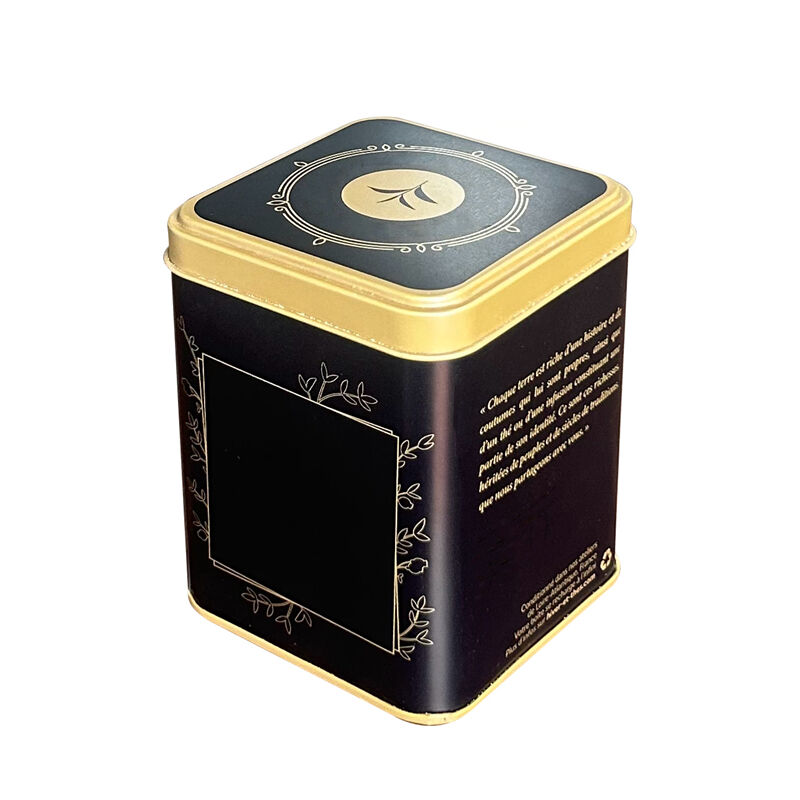
The packaging industry has witnessed a remarkable shift toward sustainable and versatile solutions, with metal tin containers emerging as a preferred choice for both crafters and business owners. These durable containers offer exceptional protection for products while providing an aesthetically pleasing presentation that appeals to consumers across various markets. Whether you're a small business owner looking to package homemade goods or a large corporation seeking reliable bulk packaging solutions, understanding where to source quality metal tin containers can significantly impact your success.
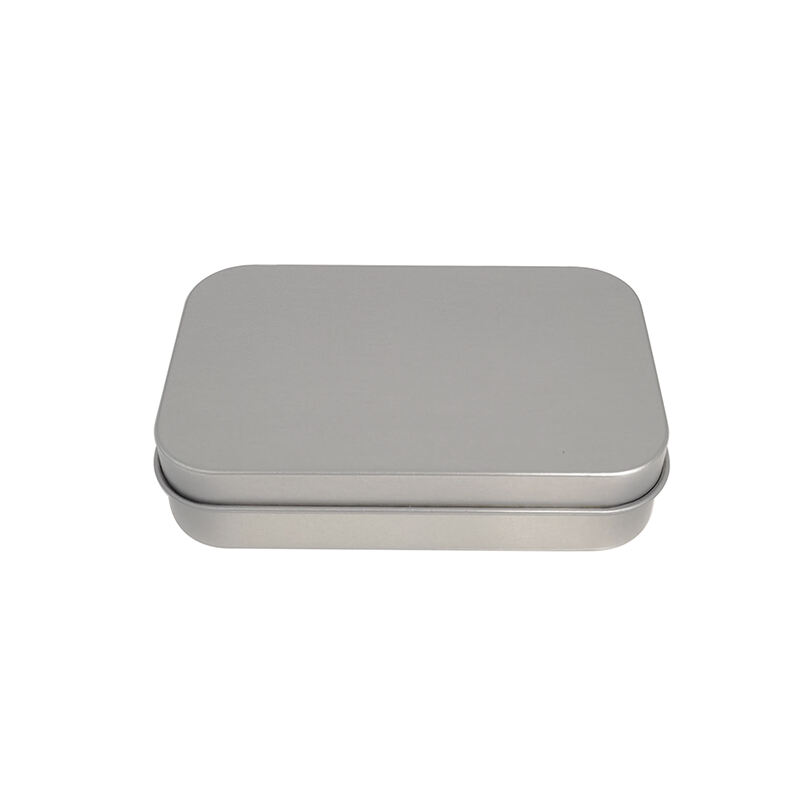
The growing demand for eco-friendly packaging alternatives has positioned metal tin solutions at the forefront of sustainable business practices. Unlike single-use plastic containers, metal tin packaging offers reusability and recyclability that resonates with environmentally conscious consumers. This shift in consumer preference has created new opportunities for businesses to differentiate themselves while contributing to environmental conservation efforts.
Understanding Metal Tin Applications in Modern Business
Craft Industry Applications
The craft industry has embraced metal tin containers as versatile packaging solutions that enhance product presentation while providing practical storage benefits. Artisans frequently utilize these containers for packaging handmade candles, soaps, lip balms, and small accessories. The durability of metal tin packaging ensures that delicate craft items remain protected during shipping and storage, reducing product damage and customer complaints.
Custom metal tin designs allow crafters to create unique brand identities that stand out in competitive marketplaces. Many successful craft businesses have built their reputation around distinctive packaging that customers associate with quality and attention to detail. The ability to customize sizes, colors, and finishes provides unlimited creative possibilities for brand expression.
Seasonal craft businesses particularly benefit from metal tin packaging flexibility, as these containers can be easily adapted for holiday-themed products or limited-edition collections. The professional appearance of metal tin packaging often justifies premium pricing, allowing crafters to increase their profit margins while delivering perceived value to customers.
Commercial Packaging Solutions
Large-scale commercial operations increasingly rely on metal tin packaging for products ranging from food items to cosmetics and pharmaceuticals. The barrier properties of metal tin containers provide excellent protection against moisture, light, and oxygen, making them ideal for preserving product integrity over extended periods. This protection translates into longer shelf life and reduced product waste for businesses.
Food manufacturers particularly value metal tin packaging for its ability to maintain product freshness without requiring additional preservatives. The tamper-evident nature of sealed metal tin containers also provides security features that are crucial for consumer safety and regulatory compliance in food packaging applications.
Cosmetic and personal care brands leverage the premium appearance of metal tin packaging to position their products in higher market segments. The substantial feel and attractive finish of quality metal tin containers communicate luxury and sophistication, influencing consumer purchasing decisions and brand loyalty.
Sourcing Strategies for Bulk Metal Tin Purchases
Direct Manufacturer Relationships
Establishing direct relationships with metal tin manufacturers offers significant advantages for businesses requiring large quantities or custom specifications. Direct sourcing eliminates intermediary markups, resulting in better pricing and improved profit margins. Manufacturers can also provide valuable technical support for custom designs and specifications that meet specific product requirements.
Building long-term partnerships with reliable manufacturers ensures consistent supply chain stability and priority treatment during high-demand periods. Many manufacturers offer volume discounts and flexible payment terms for established customers, further improving the economic benefits of direct sourcing relationships.
Quality control becomes more manageable when working directly with manufacturers, as businesses can implement specific standards and inspection processes. This direct oversight helps maintain consistent product quality and reduces the risk of defective packaging that could damage brand reputation.
Wholesale Distribution Networks
Wholesale distributors provide convenient access to diverse metal tin options without the minimum order quantities typically required by manufacturers. This flexibility makes wholesale channels particularly attractive for smaller businesses or those testing new product lines. Distributors often maintain inventory across multiple product categories, enabling one-stop shopping for various packaging needs.
Regional distributors frequently offer faster delivery times and localized customer service compared to international manufacturers. This proximity advantage can be crucial for businesses with tight production schedules or those requiring emergency inventory replenishment.
Many wholesale distributors also provide value-added services such as custom labeling, assembly, or kitting that can streamline production processes for their customers. These services can reduce internal labor costs and improve operational efficiency for growing businesses.
Quality Considerations and Specifications
Material Standards and Certifications
Selecting appropriate material grades is essential for ensuring metal tin packaging meets specific application requirements and regulatory standards. Food-grade materials require specific certifications and treatments to ensure safety for direct food contact applications. Understanding these requirements prevents costly compliance issues and potential product recalls.
Corrosion resistance properties vary significantly among different metal tin materials and coatings. Products with high acidity or moisture content require enhanced protective coatings to prevent container degradation and product contamination. Proper material selection ensures product integrity throughout the intended shelf life.
Environmental regulations increasingly influence material choices, with many jurisdictions implementing restrictions on certain coatings or treatments. Staying informed about evolving regulations helps businesses make proactive decisions that avoid future compliance challenges.
Design and Functionality Features
Closure mechanisms significantly impact user experience and product protection effectiveness. Different closure styles suit various applications, from simple friction lids for craft items to tamper-evident seals for commercial products. Understanding the functional requirements helps select appropriate closure options that balance cost with performance.
Size optimization affects both material costs and shipping efficiency, making it crucial to carefully consider dimensional requirements. Standard sizes often provide cost advantages due to manufacturing economies of scale, while custom sizes may be necessary for specific product fit requirements.
Surface finish options influence both aesthetics and functionality, with choices ranging from basic mill finish to premium decorative coatings. The selected finish should align with brand positioning while considering durability requirements for the intended application environment.
Cost Optimization Strategies
Volume-Based Pricing Models
Understanding volume thresholds helps businesses optimize their purchasing strategies to achieve better unit pricing. Most suppliers offer tiered pricing structures that reward larger order quantities with progressively better rates. Planning procurement schedules around these thresholds can result in substantial cost savings over time.
Collaborative purchasing arrangements with other businesses can help achieve volume discounts without requiring large individual inventory investments. This strategy proves particularly effective for seasonal businesses or those with limited storage capacity.
Annual purchasing agreements often provide price stability and guaranteed supply availability while securing volume-based discounts. These arrangements benefit both buyers and suppliers by enabling better production planning and inventory management.
Supply Chain Efficiency
Optimizing shipping and logistics costs requires careful consideration of supplier location and shipping methods. Regional suppliers may offer competitive total costs despite higher unit prices due to reduced shipping expenses and shorter lead times.
Inventory management strategies should balance carrying costs with volume discount benefits. Just-in-time delivery programs can reduce inventory holding costs while maintaining production flexibility, particularly when working with reliable local suppliers.
Packaging efficiency improvements, such as nested designs or standardized sizes, can significantly reduce shipping costs and warehouse space requirements. These optimizations often provide ongoing savings that justify higher initial container costs.
Technology and Innovation Trends
Smart Packaging Integration
Modern metal tin packaging increasingly incorporates smart technologies that enhance consumer engagement and provide supply chain visibility. QR codes, NFC chips, and other digital elements can be integrated into metal tin designs to provide product authentication, usage instructions, or promotional content.
Track and trace capabilities help businesses monitor product movement through distribution channels while providing valuable consumer behavior insights. These technologies also support anti-counterfeiting efforts that protect brand integrity and consumer safety.
Interactive packaging features create opportunities for enhanced customer engagement and brand loyalty building. Smart packaging can facilitate repeat purchases, provide customer feedback channels, and enable personalized marketing communications.
Sustainable Manufacturing Processes
Advanced manufacturing techniques are reducing the environmental impact of metal tin production while improving product quality and consistency. Energy-efficient processes and renewable energy adoption by manufacturers align with corporate sustainability goals and consumer preferences.
Recycled content integration helps businesses meet sustainability targets while potentially reducing material costs. Many manufacturers now offer options with high recycled content percentages without compromising quality or performance characteristics.
Life cycle assessment tools help businesses evaluate the total environmental impact of their packaging choices, enabling more informed decisions that balance cost, performance, and sustainability considerations.
FAQ
What minimum order quantities should I expect when buying bulk metal tins
Minimum order quantities vary significantly depending on whether you work with manufacturers or distributors. Direct manufacturers typically require orders of 5,000 to 10,000 units for standard designs, while custom specifications may require 25,000 or more units. Distributors often accept smaller orders starting from 500 to 1,000 units, making them more suitable for small businesses or product testing phases.
How do I ensure the metal tins meet food safety requirements
Food-safe metal tin packaging must comply with FDA regulations and use appropriate food-grade coatings or linings. Request certificates of compliance from suppliers and verify that materials meet relevant standards such as FDA CFR Title 21 or EU regulations for food contact materials. Consider the specific properties of your product, including acidity levels and moisture content, when selecting appropriate coatings and treatments.
What factors most significantly impact metal tin pricing
Material costs represent the largest component of metal tin pricing, influenced by global commodity markets for steel and aluminum. Order volume directly affects unit pricing through manufacturing economies of scale and setup cost distribution. Customization requirements, including unique sizes, special finishes, or printed designs, add significant costs compared to standard off-the-shelf options. Shipping distance and freight costs can also substantially impact total delivered pricing.
How long do typical lead times take for bulk metal tin orders
Standard metal tin products from inventory typically ship within 1-2 weeks of order placement. Custom designs require 4-8 weeks for initial production setup and manufacturing, depending on complexity and current production schedules. International shipping adds 2-4 weeks to delivery times, while domestic suppliers can often provide faster turnaround. Planning ahead and maintaining relationships with reliable suppliers helps ensure timely delivery for production schedules.