
 EN
EN
 AR
AR BG
BG HR
HR CS
CS DA
DA NL
NL FI
FI FR
FR DE
DE EL
EL IT
IT JA
JA KO
KO NO
NO PL
PL PT
PT RO
RO RU
RU ES
ES SV
SV CA
CA IW
IW ID
ID LV
LV LT
LT SR
SR SK
SK SL
SL UK
UK VI
VI SQ
SQ HU
HU TR
TR FA
FA MS
MS GA
GA CY
CY LA
LA
The delicate green powder that has captivated tea enthusiasts for centuries requires more than just careful preparation—it demands proper storage that honors both its cultural significance and preserves its exceptional quality. A matcha tin serves as the essential guardian of this precious powder, bridging the gap between ancient Japanese traditions and modern culinary applications. From the sacred tea ceremony rooms of Kyoto to contemporary kitchen counters worldwide, the humble yet sophisticated matcha tin has evolved to meet the needs of discerning consumers who understand that proper storage directly impacts flavor, color, and nutritional value.
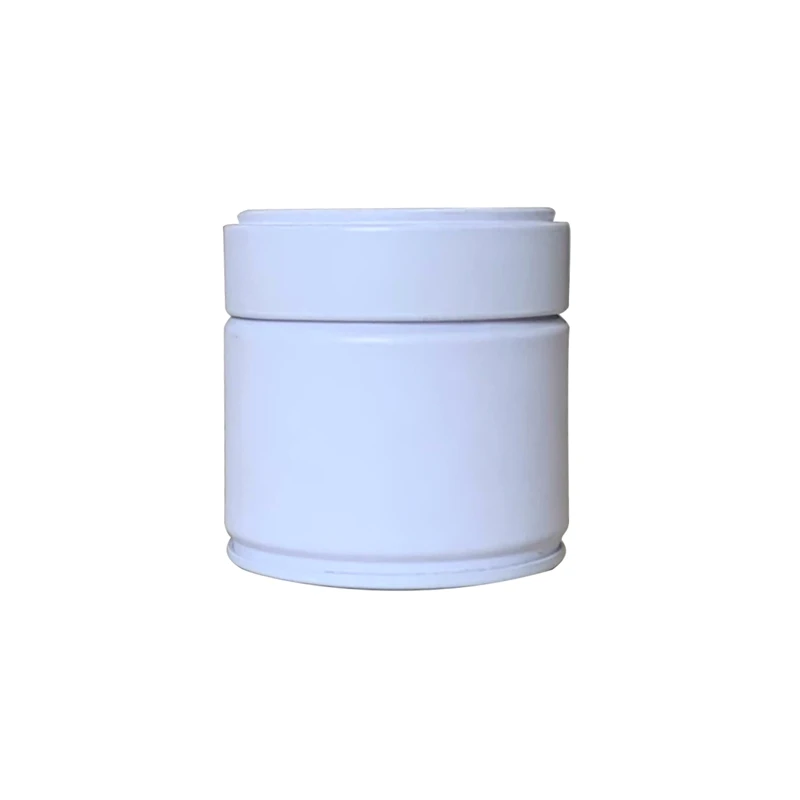
The relationship between matcha and its container extends far beyond simple storage functionality. Traditional tea masters understood that environmental factors could quickly degrade the powder's vibrant color and complex flavor profile, leading to the development of specialized containers designed specifically for matcha preservation. Today's matcha tin incorporates centuries of wisdom while embracing modern manufacturing techniques and materials science to create storage solutions that maintain optimal conditions for this prized ingredient.
Understanding the critical role of proper storage becomes even more important as matcha continues its journey from ceremonial settings into everyday kitchens. The growing popularity of matcha lattes, desserts, and culinary creations has increased demand for reliable storage solutions that can maintain quality over extended periods. This evolution has transformed the simple matcha tin from a ceremonial accessory into an essential kitchen tool for both professional chefs and home enthusiasts.
Historical Evolution of Matcha Storage
Ancient Japanese Tea Traditions
The origins of specialized matcha storage can be traced back to the refined tea culture of medieval Japan, where monks and tea masters recognized the critical importance of protecting matcha from environmental degradation. Early containers were crafted from natural materials such as bamboo and specific types of wood that provided natural moisture control and protection from light exposure. These early matcha tin predecessors were often wrapped in silk or paper and stored in temperature-controlled environments within temples and tea houses.
The development of the traditional natsume, a small lidded container used in tea ceremonies, represents one of the earliest forms of specialized matcha storage. These containers were meticulously crafted with tight-fitting lids and often featured lacquered surfaces that provided additional protection against moisture and air exposure. The attention to detail in these early storage solutions reflected the deep reverence for matcha and the understanding that proper storage was integral to the tea ceremony experience.
Transition to Modern Manufacturing
The industrial revolution and global expansion of tea culture necessitated the evolution of traditional storage methods into mass-producible solutions. The modern matcha tin began to emerge in the early 20th century as Japanese tea companies sought to export their products while maintaining quality standards. These early commercial containers incorporated lessons learned from centuries of traditional storage practices while adapting to the requirements of international shipping and retail distribution.
Manufacturing innovations in metalworking and surface treatments enabled the creation of more durable and effective storage solutions. The development of specialized coatings and sealing technologies allowed matcha tins to provide superior protection against the primary enemies of matcha quality: light, air, moisture, and temperature fluctuations. This technological evolution made it possible for consumers worldwide to experience authentic matcha quality regardless of their distance from traditional production centers.
Design Principles and Material Science
Optimal Material Selection
The selection of materials for a high-quality matcha tin involves careful consideration of multiple factors that directly impact the preservation of matcha's delicate characteristics. Food-grade metals, particularly tin-plated steel and aluminum alloys, provide excellent barrier properties against light and oxygen while maintaining structural integrity over time. These materials offer the additional benefit of being recyclable and environmentally sustainable, aligning with the growing consumer awareness of packaging sustainability.
Advanced polymer coatings applied to the interior surfaces of modern matcha tins create an additional barrier against moisture and prevent any metallic taste transfer that could affect the powder's flavor profile. These coatings are specifically formulated to be food-safe and maintain their protective properties across a wide range of storage temperatures. The development of these specialized coatings represents a significant advancement in packaging technology, enabling longer shelf life and better flavor preservation.
Sealing Technology and Air-Tight Design
The effectiveness of a matcha tin largely depends on its ability to create and maintain an air-tight seal that prevents oxidation and moisture infiltration. Modern sealing technologies employ multiple approaches, including gasket seals, interference fits, and specialized lid designs that create positive pressure when closed. These sealing mechanisms must balance ease of use with protection effectiveness, ensuring that consumers can easily access their matcha while maintaining optimal storage conditions.
Engineering considerations for matcha tin design include the coefficient of thermal expansion for different materials, ensuring that seals remain effective across temperature variations commonly encountered in household storage environments. The design must also account for repeated opening and closing cycles without degradation of sealing performance. Advanced testing protocols verify that matcha tin designs maintain their protective properties over extended periods of typical consumer use.
Impact on Matcha Quality Preservation
Light Protection and Color Preservation
The vibrant green color of high-quality matcha results from chlorophyll content that is extremely sensitive to light exposure, particularly ultraviolet radiation. A properly designed matcha tin provides complete protection from light penetration, preventing the photodegradation that would otherwise cause the powder to lose its characteristic bright green appearance and develop a dull, yellowish tint. This color preservation is not merely aesthetic; it directly correlates with the retention of beneficial compounds and flavor characteristics.
Research in food science has demonstrated that light exposure can reduce chlorophyll content by up to 30% within just a few weeks of exposure to typical indoor lighting conditions. The opaque walls of a quality matcha tin eliminate this degradation pathway entirely, ensuring that the powder maintains its visual appeal and nutritional value throughout its shelf life. This protection becomes even more critical for ceremonial-grade matcha, where color quality is a primary indicator of authenticity and value.
Oxidation Prevention and Flavor Stability
Oxygen exposure represents one of the most significant threats to matcha quality, causing rapid deterioration of the delicate flavor compounds that define premium matcha. The polyphenols and catechins responsible for matcha's unique taste profile are particularly susceptible to oxidative degradation, which can transform the smooth, sweet flavor into bitter or astringent notes. An effective matcha tin creates a barrier against oxygen infiltration while minimizing the air space within the container to reduce oxidation potential.
The importance of oxygen protection becomes evident when comparing the shelf life of properly stored matcha versus powder stored in inadequate containers. Studies have shown that matcha stored in quality tins maintains its flavor profile for 12-18 months, while improperly stored powder can show significant degradation within just a few weeks. This dramatic difference underscores the critical role that proper container design plays in preserving the investment that consumers make in premium matcha products.
Industrial Applications and Commercial Use
Food Service Industry Requirements
The expansion of matcha into mainstream food service has created unique storage challenges that extend beyond traditional consumer applications. Restaurants, cafes, and commercial bakeries require matcha tin solutions that can handle higher volumes while maintaining the same quality protection standards. These commercial applications often involve more frequent access to the product, requiring container designs that can withstand repeated opening and closing while maintaining seal integrity.
Commercial food service operations also face additional regulatory requirements regarding food storage and safety documentation. A professional-grade matcha tin must provide clear labeling options, lot tracking capabilities, and compliance with food safety regulations across multiple jurisdictions. The design considerations for these applications include stackability for efficient storage, portion control features, and compatibility with commercial inventory management systems.
Retail Distribution and Shelf Life Extension
The global distribution of matcha products requires packaging solutions that can maintain quality across extended supply chains and varying environmental conditions. Retail applications of matcha tin technology must account for warehouse storage, transportation stress, and varying retail environments. These containers serve as the final barrier between the product and environmental factors that could compromise quality before reaching the end consumer.
Successful retail matcha tin designs incorporate features that enhance marketability while maintaining protective function. This includes attractive graphics and branding elements that communicate quality and authenticity to consumers, while ensuring that decorative elements do not compromise the container's protective capabilities. The balance between marketing appeal and functional performance represents a critical consideration in modern matcha tin development.
Environmental Considerations and Sustainability
Recyclability and Material Lifecycle
Modern consumers increasingly prioritize sustainable packaging solutions, making the environmental impact of matcha tin materials a significant consideration in product development. Metal containers offer excellent recyclability profiles, with both tin-plated steel and aluminum being infinitely recyclable without loss of material properties. This sustainability advantage aligns with the environmental consciousness often associated with traditional tea culture and appeals to environmentally aware consumers.
The lifecycle analysis of matcha tin materials demonstrates superior environmental performance compared to single-use packaging alternatives. While the initial material and energy investment in manufacturing a durable tin container may be higher than disposable options, the extended service life and recyclability create a favorable long-term environmental impact. Many manufacturers now provide take-back programs or recycling guidance to ensure that used matcha tin containers are properly processed at end-of-life.
Reusability and Secondary Applications
The durability and attractive design of quality matcha tin containers make them ideal for reuse applications, extending their functional life well beyond their original purpose. Consumers frequently repurpose empty containers for storage of other sensitive ingredients, small items organization, or even decorative applications. This reusability factor enhances the overall value proposition and reduces the effective environmental impact of the packaging.
Design considerations that enhance reusability include removable labels, neutral interior coatings that can accommodate different products, and standard sizing that facilitates integration with existing storage systems. Some manufacturers specifically design their matcha tin products with reusability in mind, creating containers that transition seamlessly from product packaging to household storage solutions. This approach builds customer loyalty while supporting environmental sustainability goals.
Consumer Selection Guidelines
Quality Assessment Criteria
Selecting an appropriate matcha tin requires evaluation of several key factors that directly impact storage effectiveness and user experience. The quality of the sealing mechanism should be the primary consideration, with consumers testing the fit and feel of the lid to ensure consistent, secure closure. A quality container will provide tactile feedback when properly sealed and should require moderate force to open, indicating effective gasket compression.
Material quality assessment involves examining the interior coating for uniformity and completeness, ensuring that no bare metal is exposed that could interact with the matcha powder. The exterior finish should be free from defects that could compromise the protective barrier, and any decorative elements should be securely applied to prevent flaking or contamination. Size considerations should account for typical consumption patterns, with smaller containers being preferable for occasional users to minimize air exposure during storage periods.
Sizing and Capacity Considerations
The optimal size for a matcha tin depends on consumption patterns and storage duration requirements. Frequent matcha users may benefit from larger containers that reduce per-gram packaging costs, while occasional users should prioritize smaller sizes that minimize the time individual portions are exposed to air during the consumption period. The relationship between container size and product turnover directly impacts quality maintenance over time.
Capacity planning should also consider the specific applications for which the matcha will be used. Ceremonial applications typically require smaller quantities of the highest quality powder, suggesting that smaller, premium containers are most appropriate. Culinary applications may justify larger containers, particularly when used in commercial or high-volume home cooking situations. The key is matching container size to consumption patterns to optimize both quality preservation and economic efficiency.
FAQ
How long can matcha stay fresh in a quality tin
When stored in a high-quality matcha tin under optimal conditions, unopened matcha can maintain its peak quality for 12 to 18 months from the production date. Once opened, the powder should ideally be consumed within 3 to 6 months for the best flavor and color retention. The key factors affecting shelf life include the quality of the air-tight seal, storage temperature consistency, and protection from light exposure. Refrigeration can extend these timeframes, but requires careful attention to moisture control when bringing the container to room temperature before opening.
What makes a matcha tin better than other storage containers
A specialized matcha tin offers superior protection compared to generic storage containers through its combination of light-blocking materials, air-tight sealing mechanisms, and moisture barrier properties. Unlike plastic containers that can be permeable to oxygen over time, quality metal tins provide a complete barrier against environmental factors that degrade matcha. The interior coatings are specifically formulated to prevent flavor transfer and maintain the powder's delicate taste profile, while the compact design minimizes air space that could contribute to oxidation.
Can I store other ingredients in my matcha tin after the matcha is finished
Yes, a quality matcha tin can be effectively repurposed for storing other sensitive ingredients after thorough cleaning. The same properties that make these containers excellent for matcha preservation—light protection, air-tight sealing, and moisture resistance—benefit other powdered ingredients, spices, or tea products. However, it's important to completely clean and dry the container to prevent flavor transfer, and consider that some residual matcha aroma may persist even after cleaning. The container works particularly well for other tea-related products or fine spices that benefit from similar storage conditions.
How do I properly clean and maintain a matcha tin
Proper maintenance of a matcha tin involves gentle hand washing with mild soap and warm water, avoiding abrasive cleaners that could damage interior coatings. After washing, thoroughly dry all components including the lid and sealing surfaces to prevent moisture retention that could affect future storage performance. Periodic inspection of the sealing gasket or lid fit ensures continued effectiveness, and any signs of wear or damage should prompt replacement to maintain optimal storage conditions. Avoid dishwasher cleaning unless specifically approved by the manufacturer, as high temperatures and harsh detergents can compromise sealing materials and protective coatings.