
 EN
EN
 AR
AR BG
BG HR
HR CS
CS DA
DA NL
NL FI
FI FR
FR DE
DE EL
EL IT
IT JA
JA KO
KO NO
NO PL
PL PT
PT RO
RO RU
RU ES
ES SV
SV CA
CA IW
IW ID
ID LV
LV LT
LT SR
SR SK
SK SL
SL UK
UK VI
VI SQ
SQ HU
HU TR
TR FA
FA MS
MS GA
GA CY
CY LA
LA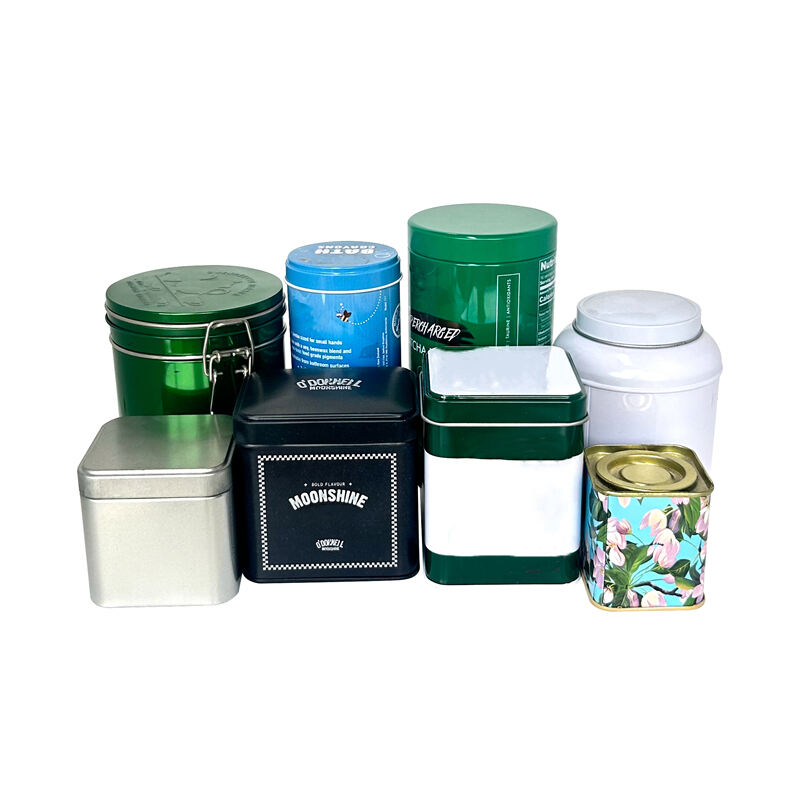
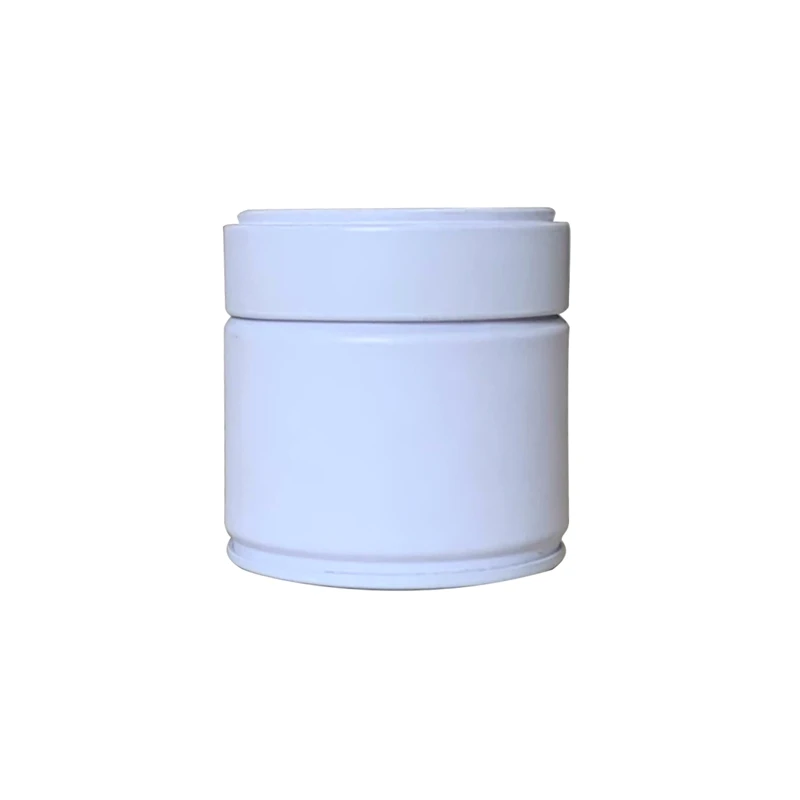
When you receive your new matcha tin, proper preparation is essential before storing your precious green tea powder. A pristine storage container ensures your matcha maintains its vibrant color, delicate flavor, and nutritional benefits. Whether you've purchased a traditional Japanese tin or a modern airtight container, the cleaning process requires careful attention to detail and the right techniques to preserve the integrity of your matcha tin.
Understanding Your Matcha Storage Container
Material Composition and Surface Properties
Most matcha tins are crafted from high-grade tinplate, aluminum, or stainless steel, each requiring specific cleaning approaches. Tinplate containers often feature food-safe lacquer coatings that protect against corrosion while maintaining flavor neutrality. These protective layers need gentle handling during the initial cleaning process to avoid scratches or chemical damage that could compromise your matcha's quality.
The interior surface of a quality matcha tin typically undergoes specialized treatment to prevent moisture absorption and oxidation. Understanding these manufacturing details helps you select appropriate cleaning methods that preserve the container's protective properties while removing any residual manufacturing oils, dust particles, or packaging materials.
Design Features Affecting Cleaning Methods
Traditional matcha tins feature intricate lid mechanisms and tight-fitting seals that require thorough attention during cleaning. The precision engineering of these closures creates multiple contact points where contaminants might accumulate, making systematic cleaning essential for optimal performance.
Modern matcha tin designs often incorporate silicone gaskets, vacuum-release valves, or measurement guides that add complexity to the cleaning process. Each component demands individual attention to ensure complete sanitization without compromising the mechanical integrity of these specialized features.
Pre-Cleaning Inspection and Assessment
Visual Examination Techniques
Before beginning the cleaning process, conduct a thorough visual inspection of your matcha tin under bright lighting conditions. Look for manufacturing residues, fingerprints, dust accumulation, or any signs of damage that might affect the cleaning approach. Pay particular attention to corner areas, lid threads, and seal surfaces where contaminants commonly collect during packaging and shipping.
Check for any protective films, adhesive labels, or temporary coatings that manufacturers sometimes apply during production. These materials require careful removal using appropriate solvents or mechanical methods that won't damage the underlying surface finish of your matcha tin.
Functional Testing Before Cleaning
Test the lid closure mechanism before introducing moisture or cleaning solutions to identify any mechanical issues that might complicate the cleaning process. Ensure all moving parts operate smoothly and that seals make proper contact without excessive force or binding.
Document any unusual odors, discoloration, or surface irregularities that might indicate manufacturing defects or quality issues requiring special attention during the cleaning process. This assessment helps you tailor your cleaning approach to address specific concerns while protecting the matcha tin's functionality.
Essential Cleaning Supplies and Tools
Safe Cleaning Solutions for Food Storage
Select food-grade cleaning solutions specifically designed for metal surfaces to avoid chemical contamination that could affect your matcha's flavor profile. Mild dish soap formulated for delicate surfaces provides effective cleaning power without harsh chemicals that might leave residual odors or taste compounds in your matcha tin.
White vinegar mixed with warm water creates an excellent natural cleaning solution that removes mineral deposits, fingerprints, and manufacturing residues while neutralizing odors. This gentle acidic solution effectively dissolves alkaline contaminants without damaging protective coatings or causing corrosion on metal surfaces.
Specialized Cleaning Tools and Accessories
Soft-bristled brushes designed for delicate surfaces help remove stubborn contaminants from textured areas of your matcha tin without causing scratches or surface damage. Microfiber cloths provide lint-free cleaning and polishing capabilities that leave surfaces spotless and ready for matcha storage.
Cotton swabs and detailing brushes allow precise cleaning of small crevices, threads, and seal areas where standard cleaning tools cannot reach effectively. These specialized tools ensure complete sanitization of every surface that might contact your precious matcha powder.
Step-by-Step Cleaning Methodology
Initial Rinse and Debris Removal
Begin the cleaning process by removing any loose packaging materials, labels, or protective films from your matcha tin using appropriate removal techniques that preserve the underlying finish. Rinse the container thoroughly with lukewarm water to eliminate dust, shipping debris, and surface contaminants.
Allow the initial rinse water to flow freely through all container areas, including lid mechanisms and seal grooves, to flush out any particles that might interfere with subsequent cleaning steps. This preliminary cleaning reduces the contamination load and improves the effectiveness of detailed cleaning procedures.
Deep Cleaning and Sanitization Process
Apply your chosen cleaning solution to all interior and exterior surfaces of the matcha tin using systematic patterns that ensure complete coverage. Allow the cleaning solution sufficient contact time to dissolve manufacturing residues and neutralize any odors or contaminants present on the surfaces.
Use gentle scrubbing motions with appropriate tools to remove stubborn deposits without damaging protective coatings or surface finishes. Pay special attention to areas where different materials meet, such as lid-to-body interfaces, where contaminants often accumulate during manufacturing and packaging processes.
Drying and Final Preparation Procedures
Moisture Elimination Techniques
Complete moisture removal is crucial for preventing corrosion and ensuring your matcha tin provides optimal storage conditions. Use clean, lint-free cloths to remove visible water droplets from all surfaces, followed by thorough air drying in a well-ventilated area away from direct sunlight.
Position the matcha tin components to promote air circulation through all interior spaces, ensuring that trapped moisture in corners, threads, and seal areas evaporates completely. Inadequate drying can lead to corrosion, odor development, or contamination that compromises your matcha's quality and shelf life.
Quality Verification and Testing
After complete drying, conduct a final inspection to verify that all cleaning objectives have been achieved and that your matcha tin is ready for service. Check for any remaining odors, visible residues, or surface irregularities that might indicate incomplete cleaning or damage requiring attention.
Test the lid closure mechanism to ensure proper operation and seal integrity after the cleaning process. Verify that all components function smoothly and that the container provides the airtight seal necessary for optimal matcha preservation and storage performance.
Long-term Maintenance and Care
Routine Cleaning Schedules
Establish regular cleaning intervals based on your matcha consumption patterns and storage conditions to maintain optimal container performance throughout its service life. Frequent users may require monthly deep cleaning, while occasional users can extend intervals to quarterly maintenance cycles.
Monitor your matcha tin for signs of contamination, odor development, or performance degradation that might indicate the need for additional cleaning or maintenance attention. Proactive care prevents minor issues from developing into serious problems that could compromise your matcha's quality or safety.
Storage Environment Optimization
Maintain appropriate storage conditions that minimize contamination and reduce cleaning requirements for your matcha tin. Avoid exposure to temperature extremes, excessive humidity, or chemical vapors that could accelerate deterioration or introduce unwanted odors or flavors.
Keep your matcha tin in a dedicated storage area away from strong-smelling substances, cleaning chemicals, or other materials that might transfer odors or contaminants to the container surfaces. Proper environmental control significantly extends the effective service life of your matcha storage system.
FAQ
How often should I deep clean my matcha tin
The frequency of deep cleaning depends on usage patterns and storage conditions. Daily users should perform thorough cleaning monthly, while occasional users can extend intervals to every three months. Always clean immediately if you notice any odors, discoloration, or flavor changes in your matcha that might indicate container contamination.
Can I use dishwasher for cleaning my matcha tin
Most matcha tins should not be cleaned in dishwashers due to harsh detergents, high temperatures, and aggressive water pressure that can damage protective coatings and precision sealing mechanisms. Hand washing with gentle cleaning solutions provides better control and preserves the container's specialized features and performance characteristics.
What should I do if my matcha tin develops odors
Persistent odors usually indicate incomplete cleaning or contamination absorption into surface materials. Try soaking the container with a baking soda solution overnight, followed by thorough rinsing and complete drying. If odors persist, the container may have absorbed contaminants permanently and should be replaced to prevent flavor transfer to your matcha.
Is it safe to use bleach or strong chemicals on matcha tins
Avoid using bleach, ammonia-based cleaners, or other harsh chemicals that can leave residual odors, cause surface damage, or create toxic compounds when combined with food products. Stick to food-safe cleaning solutions specifically designed for metal containers to ensure both effective cleaning and safe matcha storage conditions.