
 EN
EN
 AR
AR BG
BG HR
HR CS
CS DA
DA NL
NL FI
FI FR
FR DE
DE EL
EL IT
IT JA
JA KO
KO NO
NO PL
PL PT
PT RO
RO RU
RU ES
ES SV
SV CA
CA IW
IW ID
ID LV
LV LT
LT SR
SR SK
SK SL
SL UK
UK VI
VI SQ
SQ HU
HU TR
TR FA
FA MS
MS GA
GA CY
CY LA
LA
The manufacturing process of an aluminum tin involves sophisticated techniques and precision engineering that transforms raw aluminum sheets into versatile packaging solutions. Understanding how these containers are produced provides valuable insights into quality control, cost factors, and the technical specifications that make aluminum tin products ideal for various industries including food packaging, cosmetics, and industrial storage applications.
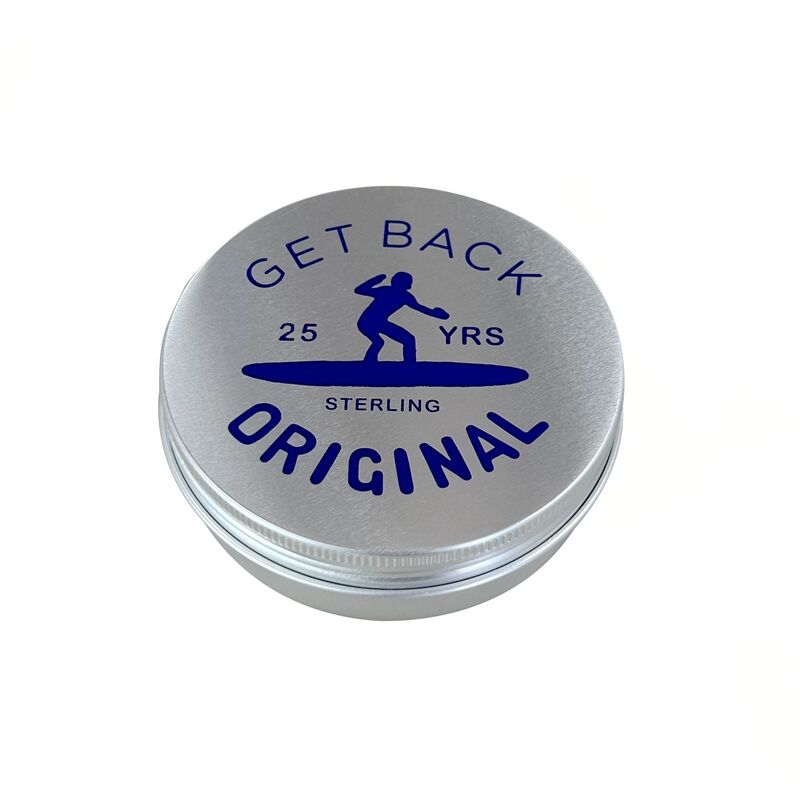
Modern aluminum tin production combines traditional metalworking principles with advanced automation technology to achieve consistent quality and efficient output. The process begins with careful material selection and continues through multiple stages of forming, treatment, and finishing that ensure each aluminum tin meets stringent industry standards for durability, safety, and aesthetic appeal.
Raw Material Preparation and Quality Control
Aluminum Alloy Selection and Properties
The foundation of quality aluminum tin manufacturing begins with selecting appropriate aluminum alloys that possess the necessary properties for container applications. Manufacturers typically use aluminum alloys with specific compositions that provide optimal formability, corrosion resistance, and strength characteristics. The most common alloys for aluminum tin production include 3003 and 5052 grades, which offer excellent deep-drawing capabilities and maintain structural integrity during the forming process.
Quality control at this stage involves rigorous testing of incoming aluminum coil stock to verify chemical composition, mechanical properties, and surface quality. Each batch of material undergoes tensile testing, thickness measurements, and surface inspection to ensure it meets the specifications required for aluminum tin production. This preliminary quality assurance prevents defects that could compromise the final product and ensures consistent manufacturing outcomes.
Surface Preparation and Cleaning
Before forming operations can begin, the aluminum material must undergo thorough surface preparation to remove any contaminants, oils, or oxide layers that could interfere with subsequent processing steps. This preparation typically involves degreasing with specialized solvents, followed by mechanical or chemical cleaning to achieve the required surface condition for optimal aluminum tin formation.
The cleaning process is critical for ensuring proper adhesion of protective coatings and decorative finishes that will be applied later in the manufacturing sequence. Inadequate surface preparation can result in coating failures, corrosion issues, and aesthetic defects that compromise the quality and marketability of the finished aluminum tin products.
Forming and Shaping Operations
Deep Drawing Process Fundamentals
The primary forming operation for aluminum tin manufacturing is deep drawing, a metalworking process that transforms flat aluminum blanks into cylindrical containers through controlled plastic deformation. This process utilizes specialized tooling including drawing dies, blank holders, and punches that work together to gradually shape the aluminum material into the desired aluminum tin configuration while maintaining wall thickness uniformity.
Deep drawing operations require precise control of forming parameters including blank holder pressure, drawing speed, and lubrication to prevent defects such as wrinkling, tearing, or excessive thinning. The tooling design must accommodate the specific geometry requirements of each aluminum tin size and shape while ensuring smooth material flow during the forming process.
Progressive Forming Stages
Most aluminum tin manufacturing involves multiple drawing stages to achieve the final dimensions and proportions required for the finished product. Progressive forming allows manufacturers to gradually reduce the diameter and increase the height of the container while maintaining optimal wall thickness distribution throughout the aluminum tin structure.
Between forming stages, the partially formed aluminum tin containers may require intermediate annealing treatments to restore material ductility and prevent work hardening that could lead to cracking or splitting during subsequent operations. These heat treatments are carefully controlled to achieve the desired mechanical properties without compromising the aluminum tin material integrity.
Trimming and Edge Finishing
Precision Trimming Operations
After the primary forming operations are complete, each aluminum tin requires precise trimming to establish the final height and ensure uniform edge quality around the container rim. Trimming operations utilize sharp cutting tools and fixtures that maintain tight dimensional tolerances while producing clean, burr-free edges that are essential for proper lid fitting and sealing performance.
The trimming process must account for springback characteristics of the aluminum material and compensate for any dimensional variations that occurred during the forming stages. Advanced trimming equipment incorporates measurement systems that verify aluminum tin dimensions in real-time and make automatic adjustments to maintain consistency across production batches.
Edge Curling and Seaming Preparation
Following trimming operations, the aluminum tin edges undergo curling or flanging processes that prepare them for lid attachment and sealing operations. Edge curling creates a smooth, rounded rim that enhances the appearance of the finished aluminum tin while providing a secure seating surface for lids or closures.
The curling process requires specialized tooling that gradually forms the aluminum tin edge without causing stress concentrations or material defects. Proper edge formation is critical for achieving reliable sealing performance and preventing sharp edges that could pose safety hazards during handling and use of the finished containers.
Surface Treatment and Coating Applications
Protective Coating Systems
To enhance corrosion resistance and provide food-safe surfaces, aluminum tin products typically receive protective coating applications that create barriers between the aluminum substrate and the intended contents. These coatings may include organic polymer systems, ceramic-based treatments, or specialized food-grade lacquers that comply with regulatory requirements for packaging applications.
Coating application methods vary depending on the specific requirements of the aluminum tin end-use application but commonly include spray coating, dip coating, or coil coating processes that ensure uniform coverage and optimal adhesion. The coating thickness and coverage must be carefully controlled to provide adequate protection without compromising the aluminum tin dimensional accuracy or surface appearance.
Decorative Finishing Options
Many aluminum tin products require decorative finishes that enhance their aesthetic appeal and provide branding opportunities for end users. Decorative finishing options include printing, embossing, anodizing, and powder coating processes that can create a wide range of colors, textures, and visual effects on the aluminum tin surface.
Advanced printing technologies enable manufacturers to apply complex graphics, logos, and product information directly to the aluminum tin surface with excellent resolution and durability. These decorative treatments must be compatible with the intended use environment and maintain their appearance throughout the product lifecycle.
Quality Assurance and Testing Procedures
Dimensional Verification and Tolerance Control
Throughout the aluminum tin manufacturing process, rigorous quality control measures ensure that dimensional specifications are maintained within acceptable tolerances. Automated measurement systems verify critical dimensions including diameter, height, wall thickness, and concentricity to identify any deviations that could affect product performance or customer satisfaction.
Statistical process control techniques are employed to monitor manufacturing consistency and identify trends that might indicate equipment wear, material variations, or process drift. This proactive approach to quality management helps maintain aluminum tin production efficiency while minimizing waste and rework requirements.
Performance Testing and Validation
Finished aluminum tin products undergo comprehensive performance testing to verify their suitability for intended applications. Testing protocols may include pressure testing, drop testing, corrosion resistance evaluation, and compatibility assessment with specific product formulations or storage conditions.
Specialized testing equipment simulates real-world usage conditions to ensure that aluminum tin products will perform reliably throughout their intended service life. Test results are documented and analyzed to support continuous improvement initiatives and validate manufacturing process effectiveness.
Environmental Considerations and Sustainability
Material Recycling and Circular Economy
Aluminum tin manufacturing embraces sustainable practices through extensive use of recycled aluminum content and design for recyclability principles. Aluminum materials can be recycled indefinitely without degradation of their fundamental properties, making aluminum tin products an environmentally responsible packaging choice that supports circular economy objectives.
Manufacturing facilities implement comprehensive recycling programs that capture and reprocess aluminum scrap generated during production operations. This approach not only reduces waste disposal costs but also decreases the energy consumption associated with primary aluminum production, contributing to overall environmental sustainability of aluminum tin manufacturing.
Energy Efficiency and Process Optimization
Modern aluminum tin production facilities incorporate energy-efficient technologies and process optimization strategies that minimize environmental impact while maintaining production efficiency. These initiatives include heat recovery systems, optimized forming sequences, and advanced automation that reduces material waste and energy consumption per unit produced.
Continuous improvement programs focus on identifying opportunities to further enhance the environmental performance of aluminum tin manufacturing operations while maintaining product quality and cost competitiveness. These efforts align with growing customer demands for sustainable packaging solutions and corporate environmental responsibility commitments.
FAQ
What types of aluminum alloys are commonly used for tin manufacturing
The most commonly used aluminum alloys for aluminum tin manufacturing are 3003 and 5052 grades. These alloys provide excellent formability, corrosion resistance, and strength characteristics required for deep drawing operations. The 3003 alloy offers good workability and moderate strength, while 5052 provides higher strength and enhanced corrosion resistance, making it suitable for more demanding applications.
How does the deep drawing process affect aluminum tin wall thickness
During the deep drawing process, aluminum tin wall thickness typically becomes thinner as the material stretches to form the container shape. The degree of thinning depends on the drawing ratio, material properties, and process parameters. Manufacturers carefully control these variables to maintain acceptable wall thickness distribution and prevent excessive thinning that could compromise the aluminum tin structural integrity or performance.
What quality control measures ensure consistent aluminum tin production
Aluminum tin quality control includes incoming material inspection, in-process monitoring of forming parameters, dimensional verification using automated measurement systems, and final product testing. Statistical process control techniques track key variables throughout production, while performance testing validates that finished aluminum tin products meet specifications for strength, dimensional accuracy, and application-specific requirements.
Can aluminum tin manufacturing processes be customized for specific applications
Yes, aluminum tin manufacturing processes can be extensively customized to meet specific application requirements. This includes modifications to alloy selection, forming sequences, surface treatments, coating systems, and decorative finishes. Manufacturers work closely with customers to develop tailored solutions that optimize aluminum tin performance for particular use cases while maintaining cost effectiveness and production efficiency.