
 EN
EN
 AR
AR BG
BG HR
HR CS
CS DA
DA NL
NL FI
FI FR
FR DE
DE EL
EL IT
IT JA
JA KO
KO NO
NO PL
PL PT
PT RO
RO RU
RU ES
ES SV
SV CA
CA IW
IW ID
ID LV
LV LT
LT SR
SR SK
SK SL
SL UK
UK VI
VI SQ
SQ HU
HU TR
TR FA
FA MS
MS GA
GA CY
CY LA
LA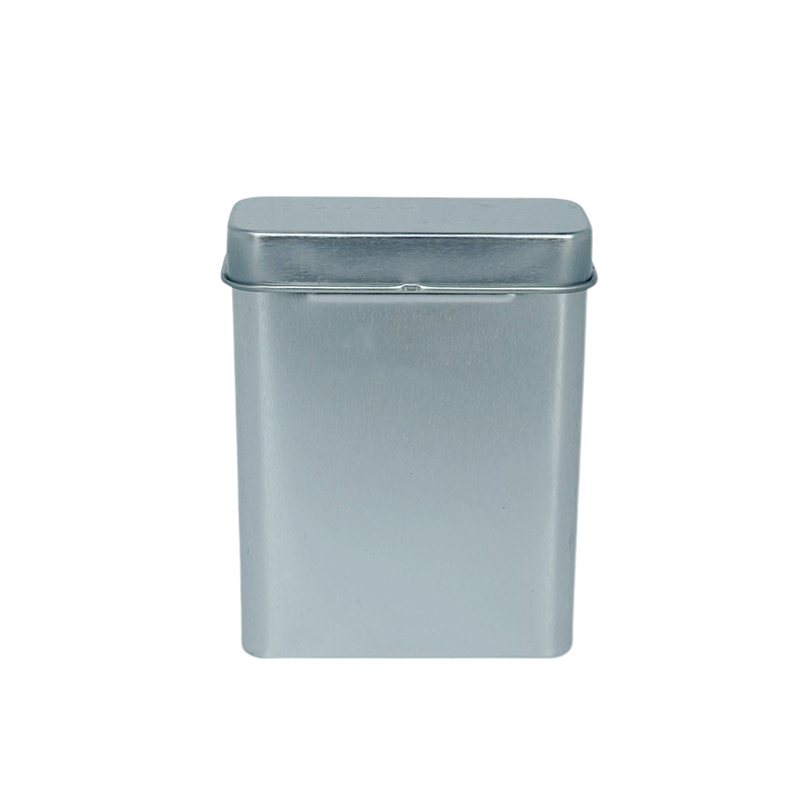
Sourcing the right tin container can transform how your small business presents products while maintaining cost efficiency and brand consistency. Whether you produce artisanal goods, cosmetics, confectionery, or promotional items, finding reliable suppliers who understand your volume needs and customization requirements is essential to business growth. Many small business owners struggle with balancing quality expectations against budget constraints, but a strategic sourcing approach can resolve this challenge effectively.
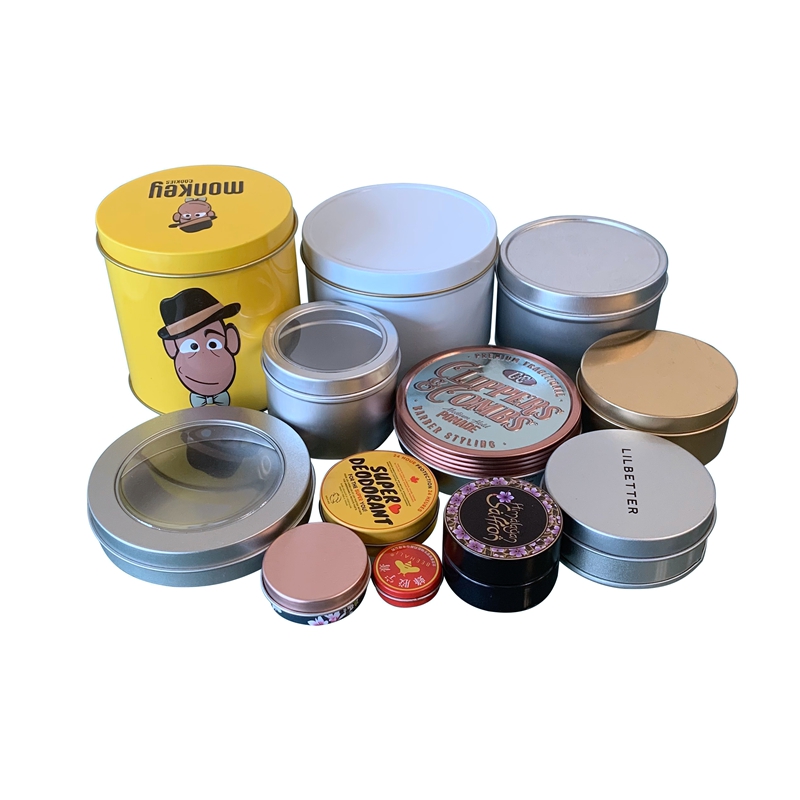
The tin container market offers diverse styles, sizes, and customization options tailored to various business needs. From simple rectangular tins to novelty shapes, round tin containers, and embossed designs, suppliers today can deliver solutions that reflect your brand identity. Understanding your specific requirements—including volume, dimensions, closure type, and printing specifications—ensures you select the right tin container partner from the start, avoiding costly mistakes and delays.
Understanding Your Tin Container Needs
Defining Size and Style Requirements
Before contacting suppliers, determine the exact specifications your tin container must meet. Small businesses often overlook this critical first step, leading to costly reorders or unsuitable products. Your tin container dimensions should accommodate your product comfortably while remaining portable and shelf-friendly. Consider whether you need a standard rectangular tin container, a hinged-lid design, or a specialty shape that differentiates your brand in the marketplace.
The closure mechanism significantly impacts functionality and customer experience. Sliding lids, press-fit covers, and hinged options each serve different purposes and price points. A tin container with a secure closure prevents product tampering and extends shelf life, particularly important for food, tea, or cosmetic applications. Evaluate whether your tin container needs ventilation, moisture resistance, or child-safe features based on your product type and regulatory environment.
Volume and Ordering Minimums
Small businesses typically face minimum order quantities that influence their sourcing decisions. Most tin container manufacturers require minimum orders ranging from 500 to 5,000 units, depending on customization complexity. Understanding your annual sales forecast helps determine whether a larger tin container order aligns with cash flow and storage capacity. Some suppliers offer tiered pricing, meaning ordering 2,000 tin container units might cost significantly less per unit than 500, making bulk purchasing economically sensible if inventory management permits.
Lead times also matter when planning tin container inventory. Standard tin container orders typically require 4–8 weeks, while rush orders may incur premium fees. Small businesses should build lead times into their production schedule to avoid stockouts or carrying excess inventory. Negotiating flexible tin container delivery schedules with suppliers can optimize cash flow while ensuring product availability during peak sales periods.
Finding and Evaluating Tin Container Suppliers
Sourcing Channels and Supplier Research
Multiple channels exist for identifying potential tin container suppliers. Industry trade shows, B2B marketplaces like Alibaba or Global Sources, and direct manufacturer directories are excellent starting points for tin container research. Local packaging distributors often maintain relationships with tin container factories and can facilitate introductions while providing personalized service. Asking industry peers, business networks, and trade associations for tin container supplier recommendations accelerates your vetting process and provides credibility validation.
When evaluating tin container suppliers, assess their production capabilities, customization options, and service responsiveness. Request product samples of their standard tin container offerings and ask about their ability to create custom designs, finishes, and branding elements. Reliable tin container suppliers provide detailed specifications, production timelines, and quality documentation without hesitation. A supplier's willingness to address questions and accommodate adjustments signals reliability and customer-focused operations.

Quality Verification and Certification
Quality standards directly impact your brand reputation and customer satisfaction with tin container products. Request that potential tin container suppliers provide certifications relevant to your industry, such as food-grade compliance, FDA approval, or ISO manufacturing standards. For tin container applications involving cosmetics, supplements, or consumables, verify that materials are safe and appropriate for intended use. Many reputable tin container manufacturers maintain third-party quality audits that demonstrate their commitment to consistent standards.
Request samples from your shortlisted tin container suppliers before committing to large orders. Examine print quality, color accuracy, lid fit, and overall construction durability. Test whether the tin container opens and closes smoothly, resists denting under normal handling, and maintains visual appeal after multiple use cycles. Physical evaluation of tin container samples prevents discovering defects only after receiving thousands of units, protecting both finances and brand credibility.
Negotiating Terms and Optimizing Costs
Pricing Structure and Volume Discounts
Tin container pricing depends on multiple factors including material composition, customization complexity, order volume, and finish options. Standard tin container costs typically range from a few cents to several dollars per unit, with significant variation based on specifications. Understanding the tin container cost breakdown—material, manufacturing, printing, packaging, and shipping—helps identify negotiation opportunities and potential savings. Requesting itemized quotes from multiple tin container suppliers enables price comparison and competitive leverage.
Volume discounts represent the most impactful cost reduction for tin container orders. A 1,000-unit tin container order might cost 40–50% more per unit than a 5,000-unit order with the same specifications. Analyzing your growth projections helps determine whether investing in larger tin container quantities makes financial sense. Some suppliers offer tiered pricing incentives that reward commitment, making it worthwhile to coordinate with complementary businesses for joint tin container purchases if individual volume doesn't reach discount thresholds.
Customization and Additional Services
Custom branding transforms a basic tin container into a powerful marketing asset. Embossing, screen printing, digital printing, and label application each add cost but enhance brand recognition. Evaluate which tin container customization methods align with your brand vision and budget constraints. Some tin container suppliers offer in-house printing services, while others partner with specialized providers, affecting both quality and turnaround time.
Negotiating value-added services can improve your tin container offering without significant cost increases. Packaging options like individual boxes, tissue wrapping, or branded inserts create premium unboxing experiences. Some suppliers offer storage services, allowing you to take advantage of bulk discounts while receiving smaller tin container shipments on demand. Exploring these options with tin container manufacturers reveals creative solutions that enhance profitability and customer perception.
Managing the Sourcing Process
Documentation and Contract Clarity
Clear written agreements protect both your business and the tin container supplier. Detailed purchase orders should specify tin container dimensions, materials, finishes, printing specifications, quantities, pricing, delivery dates, and quality acceptance criteria. Include provisions addressing tin container defect rates, dispute resolution, and payment terms. Many small business owners overlook this step, leading to misunderstandings and costly corrections that could have been prevented through explicit written documentation.
Quality acceptance standards should define acceptable tin container tolerance ranges and inspection procedures. Specify which defects render a tin container unacceptable versus acceptable with discount. Establish inspection protocols before production begins to ensure both parties understand expectations. Written agreements protect against the tin container supplier claiming ambiguity regarding requirements, reducing disputes and protecting your investment.
Relationship Building and Long-Term Partnerships
Consistent, professional communication builds trust with your tin container supplier and often leads to better pricing, priority scheduling, and problem resolution. Share your growth plans and seasonal demand variations with tin container manufacturers so they can plan capacity and recommend timing for larger orders. Reliable suppliers appreciate customers who demonstrate commitment and advance planning rather than emergency requests.
As your business grows, your tin container supplier becomes a strategic partner rather than a transactional vendor. Discussing product innovations, market trends, and packaging improvements creates mutual value. Many tin container suppliers have worked with numerous companies and can share insights about cost-saving solutions or market opportunities. Developing this relationship transforms tin container sourcing from a necessary expense into a competitive advantage for your small business.
FAQ
What is the typical minimum order quantity for a custom tin container?
Most tin container manufacturers require minimum orders between 500 and 5,000 units depending on customization complexity. Standard tin container designs with minimal customization may have lower minimums, while highly specialized tin container shapes or finishes typically require larger initial orders. Discussing your budget and volume capabilities with the tin container supplier often reveals flexible options or progressive ordering schedules that accommodate small business constraints.
How long does it take to receive a custom tin container order?
Standard tin container production typically requires 4–8 weeks from order placement to shipment, depending on design complexity and supplier capacity. Rush orders for tin container products may be available at premium pricing with 2–3 week lead times. Factors affecting tin container turnaround include custom artwork finalization, material sourcing, production scheduling, and quality inspections. Planning ahead and communicating your timeline clearly with the tin container supplier ensures realistic delivery expectations.
How can I ensure quality standards for my tin container supplier?
Request product samples before committing to large tin container orders and inspect them thoroughly for printing quality, construction durability, and functionality. Verify that your tin container supplier maintains relevant certifications like food-grade compliance or ISO standards for your industry. Include specific quality requirements in your purchase order and establish inspection procedures. Building an ongoing relationship with your tin container supplier encourages consistent quality and gives you leverage to address defects promptly if they occur.