
 EN
EN
 AR
AR BG
BG HR
HR CS
CS DA
DA NL
NL FI
FI FR
FR DE
DE EL
EL IT
IT JA
JA KO
KO NO
NO PL
PL PT
PT RO
RO RU
RU ES
ES SV
SV CA
CA IW
IW ID
ID LV
LV LT
LT SR
SR SK
SK SL
SL UK
UK VI
VI SQ
SQ HU
HU TR
TR FA
FA MS
MS GA
GA CY
CY LA
LA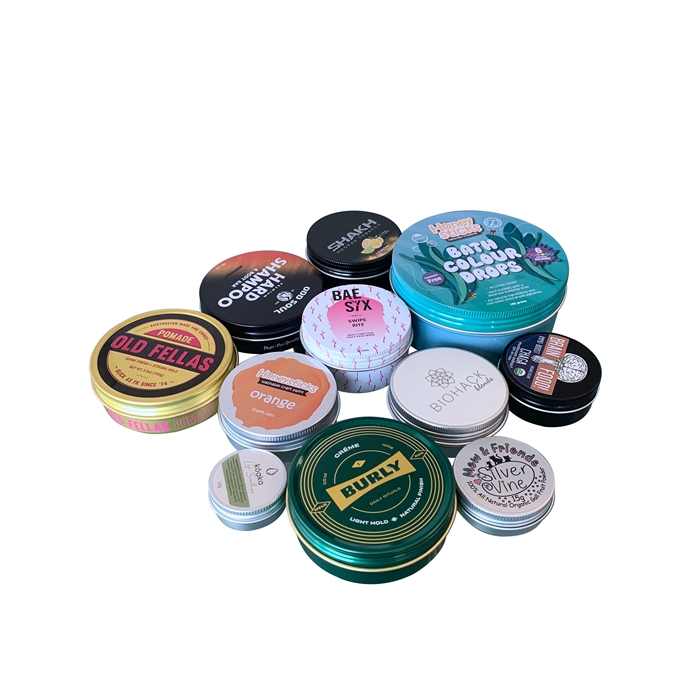
Printing and labeling on aluminum tin surfaces requires specialized knowledge and the right techniques to ensure durability, clarity, and professional appearance. Whether you're working with aluminum tin containers for food packaging, cosmetics, promotional items, or industrial applications, understanding the proper methods will help you achieve superior results that enhance your brand identity. This guide explores the most effective approaches to print and label on aluminum tin surfaces, from preparation through final application, ensuring your custom designs remain vibrant and long-lasting.
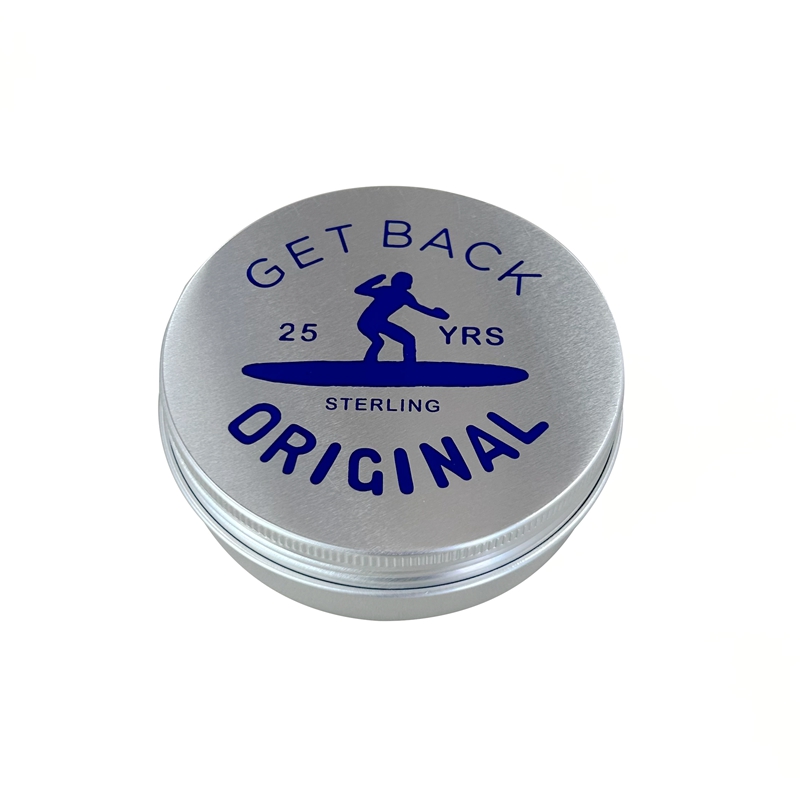
The process of printing on aluminum tin involves multiple considerations, including surface preparation, ink selection, printing technology, and curing methods. Each step plays a critical role in determining whether your final printed aluminum tin products meet quality standards and withstand environmental exposure. Understanding these elements allows manufacturers, packagers, and businesses to make informed decisions about which printing and labeling solutions best serve their specific needs and budget constraints.
Surface Preparation for Printing Aluminum Tin
Cleaning and Degreasing Aluminum Tin Surfaces
Before any printing or labeling occurs on aluminum tin, thorough surface preparation is essential. The aluminum tin surface must be cleaned to remove dust, oils, fingerprints, and any manufacturing residue that could interfere with ink adhesion. Use mild detergent solutions or specialized cleaning agents designed for metal surfaces, followed by a thorough rinse with deionized water. Proper cleaning ensures that inks bond securely to the aluminum tin substrate, preventing peeling, fading, or premature wear after production.
Pre-treatment Options for Enhanced Adhesion
Applying a pre-treatment coating to your aluminum tin surfaces significantly improves ink adhesion and durability. Options include chemical conversion coatings, chromate-free treatments, or specialized primers formulated for metal substrates. These treatments create a micro-textured surface that helps inks and labels grip more effectively to the aluminum tin. For maximum durability in demanding environments—such as refrigerated storage or outdoor exposure—consider two-part epoxy primers that provide superior protection and adhesion when printing on aluminum tin containers.
Printing Techniques for Aluminum Tin
Direct-to-Metal Printing Methods
Direct printing on aluminum tin is one of the most popular approaches for custom branding and product identification. Digital UV printing technology has revolutionized how businesses print on aluminum tin, offering vibrant color reproduction, precise detail, and fast turnaround times. UV-curable inks cure instantly under ultraviolet light, creating a hard, durable finish that resists fading and environmental degradation on aluminum tin surfaces. This method works exceptionally well for complex designs, photographs, and multi-color graphics on aluminum tin.
Screen Printing on Aluminum Tin
Screen printing remains a cost-effective and versatile method for printing on aluminum tin, particularly for large production runs with solid colors or simple designs. The process involves forcing ink through a fine mesh screen onto the aluminum tin surface, creating durable, bold impressions. Screen-printed inks on aluminum tin offer excellent color opacity and can withstand industrial environments, temperature fluctuations, and chemical exposure. For businesses seeking durability and a professional appearance on aluminum tin containers, screen printing delivers reliable results at competitive volumes.
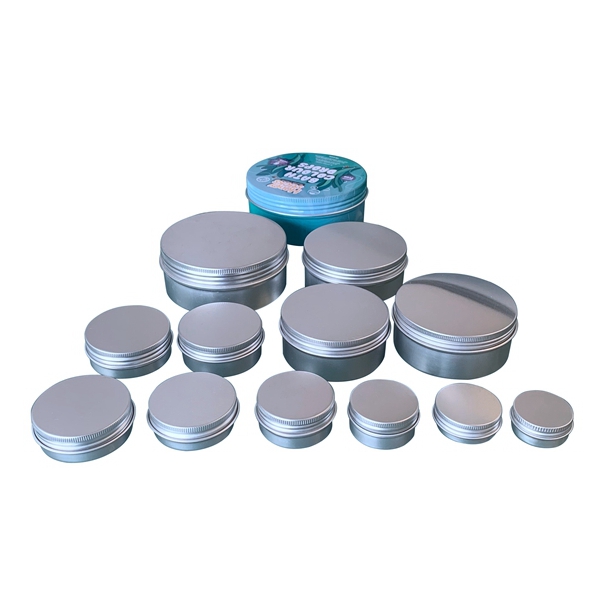
Labeling Solutions for Aluminum Tin Containers
Adhesive Labels and Their Application
Pre-printed adhesive labels offer flexibility for branding aluminum tin containers, especially when direct printing isn't feasible. High-quality vinyl or polyester labels designed for metal substrates adhere reliably to aluminum tin surfaces and resist moisture, temperature changes, and handling. When applying labels to aluminum tin, ensure the surface is clean and dry, and press firmly from the center outward to eliminate air bubbles. Choose label materials with strong adhesives formulated specifically for metal substrates like aluminum tin, as standard paper labels may not withstand industrial or refrigerated conditions.
Sleeve Labels and Wraparound Options
Wraparound sleeve labels provide comprehensive branding coverage for aluminum tin containers, allowing full-color designs to wrap around the entire circumference. These labels are ideal when printing on aluminum tin for premium packaging applications, as they create a finished, professional appearance while protecting the underlying aluminum tin surface. Sleeve labels are particularly popular for food packaging, gift sets, and promotional aluminum tin products because they maximize visual impact and brand storytelling potential on aluminum tin.
Ink Selection and Compatibility with Aluminum Tin
UV-Curable Inks for Aluminum Tin Printing
UV-curable inks are formulated specifically to bond with metal surfaces like aluminum tin, offering superior adhesion compared to solvent-based alternatives. These inks cure through photopolymerization when exposed to ultraviolet light, creating a hard protective layer on aluminum tin that resists scratching, fading, and chemical attack. UV inks deliver excellent color vibrancy and environmental stability, making them ideal for aluminum tin products that will be stored or transported in challenging conditions. The fast cure time means faster production cycles and improved efficiency when printing on aluminum tin.
Solvent-Based and Water-Based Ink Options
Solvent-based inks have historically been used for printing on aluminum tin due to their strong adhesion and durability characteristics. Modern formulations balance performance with reduced environmental impact while maintaining the reliability needed for aluminum tin applications. Water-based inks are gaining acceptance for aluminum tin printing, particularly for food-contact applications where regulatory compliance is critical. Each ink type offers distinct advantages, so your choice depends on your specific regulatory requirements, environmental concerns, and the intended application of your aluminum tin products.
Post-Printing Finishing and Curing
Curing and Setting Printed Aluminum Tin
Proper curing transforms freshly printed aluminum tin from wet ink to a durable, finished product. UV curing typically takes seconds to minutes, while air-dry or thermal curing methods may require hours or days depending on ink chemistry. Ensure adequate ventilation and temperature control throughout the curing process to achieve consistent quality on aluminum tin. Rushing this step compromises durability and can result in smudging, poor adhesion, or premature wear of your aluminum tin printed surfaces.
Protective Coatings and Sealing
Applying a clear protective coating over printed aluminum tin provides additional defense against abrasion, chemical exposure, and environmental stress. Varnish, lacquer, or polyurethane coatings create a transparent shield that preserves your design while extending the lifespan of printed aluminum tin products. This finishing step is especially valuable when the aluminum tin containers will face heavy handling, storage in humid environments, or exposure to UV sunlight. Sealed aluminum tin maintains vibrant colors and sharp detail far longer than uncoated alternatives.
Quality Control and Durability Testing
Inspecting Printed Aluminum Tin Products
Rigorous quality control ensures every batch of printed aluminum tin meets your standards before shipment. Inspect for consistent ink color, sharp image reproduction, and proper adhesion by performing tape tests on sample aluminum tin containers. Check for alignment accuracy, registration errors, and any defects in the printing or labeling process on aluminum tin. Implementing systematic inspection procedures protects your brand reputation and ensures customers receive professional-quality aluminum tin products.
Accelerated Testing for Environmental Resistance
Before full production runs, test your printed aluminum tin samples under conditions they'll experience in the field. Humidity chambers, temperature cycling, UV exposure, and chemical resistance tests reveal how well your chosen printing method and inks perform on aluminum tin. This proactive approach identifies potential issues early and allows adjustments to your aluminum tin printing process before large-scale production. Testing provides confidence that your aluminum tin products will maintain their appearance and functionality throughout their intended lifespan.
Industry Applications and Use Cases
Food and Beverage Packaging
The food and beverage industry relies heavily on aluminum tin containers for storage, preservation, and branding purposes. Printing on aluminum tin for food applications demands compliance with regulatory standards regarding ink safety, migration limits, and material certifications. Custom branding on aluminum tin helps products stand out on shelves while protecting contents from light and oxygen exposure. High-quality printing on aluminum tin enhances perceived value and communicates brand identity to consumers at the point of purchase.
Cosmetics and Personal Care Products
Cosmetics manufacturers choose aluminum tin for its aesthetic appeal and protective properties, making printing and labeling on aluminum tin critical for brand differentiation. Premium finishes and sophisticated designs can be achieved through direct printing on aluminum tin, elevating product perception and justifying premium pricing. The non-reactive nature of aluminum tin ensures that printed designs won't fade or degrade when exposed to humidity or temperature fluctuations in bathroom environments, maintaining the integrity of your aluminum tin packaging.
FAQ
What surface preparation is required before printing on aluminum tin?
Thorough cleaning with degreasing agents and deionized water is essential to remove oils, dust, and manufacturing residue from aluminum tin surfaces. Many printers also recommend applying a pre-treatment coating or primer to the aluminum tin to enhance ink adhesion and durability. Proper preparation ensures inks bond securely to the aluminum tin substrate, preventing peeling or fading over time.
Which printing method works best for custom designs on aluminum tin?
UV digital printing is excellent for detailed, multi-color custom designs on aluminum tin, while screen printing is cost-effective for large production runs with solid colors. The choice depends on your design complexity, production volume, and timeline requirements for your aluminum tin project. Both methods can produce durable, professional-quality results when paired with proper surface preparation and curing techniques on aluminum tin.
How long does ink last on printed aluminum tin products?
Durability depends on ink type, surface preparation, environmental conditions, and protective coatings applied to your aluminum tin. High-quality UV inks with protective varnish finishes can maintain vibrant appearance for years on aluminum tin, even under challenging storage or transportation conditions. Testing under your specific use conditions provides the most accurate prediction of how well your printed aluminum tin will perform in the field.