
 EN
EN
 AR
AR BG
BG HR
HR CS
CS DA
DA NL
NL FI
FI FR
FR DE
DE EL
EL IT
IT JA
JA KO
KO NO
NO PL
PL PT
PT RO
RO RU
RU ES
ES SV
SV CA
CA IW
IW ID
ID LV
LV LT
LT SR
SR SK
SK SL
SL UK
UK VI
VI SQ
SQ HU
HU TR
TR FA
FA MS
MS GA
GA CY
CY LA
LA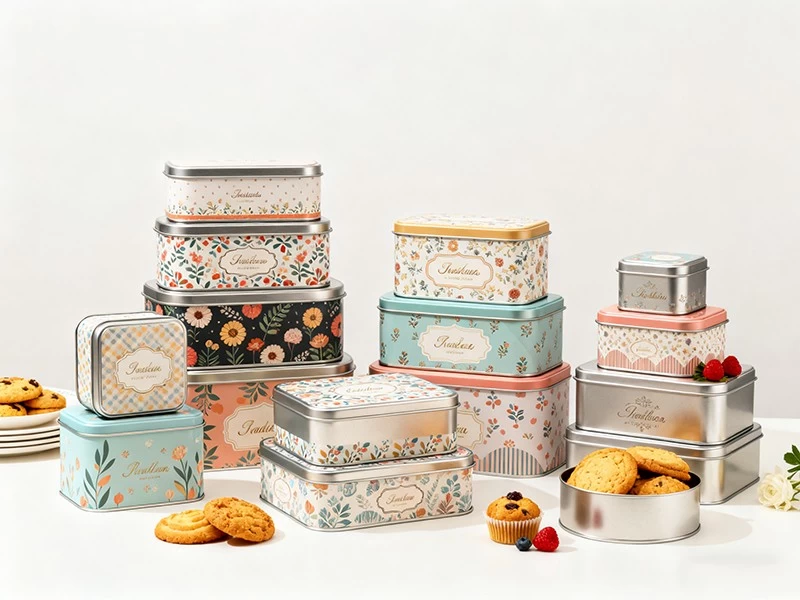
Vintage and antique tin case containers have captured the attention of collectors and enthusiasts worldwide. Many people wonder whether the old tin case items stored in attics, basements, or inherited from relatives hold significant monetary value. The answer depends on several factors including age, condition, rarity, brand history, and market demand. Understanding how to identify a valuable tin case requires knowledge of manufacturing marks, design elements, and historical context. This guide explores the characteristics that make certain tin case products worth money and provides practical methods for evaluating your collection.
The collectible tin case market has grown substantially over recent decades as nostalgia-driven buyers seek authentic pieces from specific eras. A tin case from the early 1900s featuring lithographed advertising graphics typically commands higher prices than plain modern versions. Collectors prize tin case items that showcase exceptional craftsmanship, vibrant color preservation, and intact original closures. Whether you possess a tobacco tin case, biscuit tin case, tea tin case, or promotional tin case, assessing its worth requires systematic evaluation of multiple attributes that influence desirability among buyers and collectors.
Key Factors That Determine Tin Case Value
Age and Historical Significance
The age of a tin case plays a crucial role in establishing its collectible value. A tin case manufactured before 1950 generally attracts more interest than recent productions. Early tin case products often employed hand-soldering techniques and featured intricate embossing that modern automated processes cannot replicate. Historical events associated with a tin case also enhance value. For instance, a tin case produced during wartime rationing periods or commemorating significant anniversaries carries additional historical weight. Collectors actively seek tin case items that document specific cultural moments, advertising campaigns, or brand milestones that shaped consumer history.
Condition and Preservation Quality
Condition dramatically affects how much an old tin case is worth. A tin case with minimal rust, intact lithography, and functioning hinges commands premium prices. Surface damage, dents, scratches, and paint loss significantly reduce tin case value. Collectors use grading systems to assess tin case condition, rating pieces from mint to poor. A mint-condition tin case shows no wear, retains original luster, and displays sharp graphic details. Even a moderately worn tin case can hold value if rare, but severe corrosion or missing components limit marketability. Proper storage away from moisture preserves tin case integrity and maintains collector appeal over time.
Rarity and Brand Recognition
Scarcity elevates tin case worth substantially. A tin case produced in limited quantities or distributed regionally becomes more desirable than mass-produced versions. Brand recognition matters equally. A Tin Case bearing logos from iconic companies like early confectionery brands, tobacco manufacturers, or pharmaceutical firms attracts serious collectors. Specialty tin case designs created for promotional campaigns or seasonal releases often appear less frequently in the market, increasing their value. Researching production numbers and distribution patterns helps determine whether your tin case represents a common find or a rare collectible that warrants professional appraisal.
Methods to Identify Valuable Tin Case Pieces
Examining Manufacturing Marks and Stamps
Identifying a valuable tin case begins with locating manufacturer marks, date codes, and patent information stamped on the base or interior. Many tin case producers marked their work with company names, location stamps, or registration numbers. These marks provide authentication and dating evidence crucial for valuation. A tin case displaying a well-known lithography company mark suggests quality craftsmanship that collectors prize. Patent dates embossed on a tin case help establish production periods and verify authenticity. Learning to recognize genuine manufacturer marks protects against reproductions and helps distinguish vintage tin case items from modern replicas flooding secondary markets.
Analyzing Design Elements and Lithography
Design sophistication separates valuable tin case products from ordinary examples. A tin case featuring multi-color lithography, detailed illustrations, or Art Nouveau styling typically holds greater worth than plain versions. The printing technique used on a tin case reveals manufacturing era and quality standards. Offset lithography on a tin case indicates mid-20th-century production, while direct printing suggests earlier manufacture. Color vibrancy, registration accuracy, and graphic complexity all contribute to tin case desirability. Collectors particularly value tin case designs showcasing period typography, celebrity endorsements, or artwork by recognized illustrators. Examining these artistic elements helps identify tin case pieces that transcend functional packaging to become genuine collectible art.
Researching Market Comparables and Auction Results
Determining what your tin case might fetch requires researching comparable sales. Online auction platforms, antique dealer listings, and collector forums provide tin case pricing data. Searching completed sales for similar tin case items reveals current market values. A tin case identical to recently sold examples offers realistic price expectations. Condition differences between your tin case and sold comparables require adjustment to estimated values. Specialized tin case collector guides and price references published annually document market trends and highlight tin case categories experiencing increased demand. Consulting multiple sources ensures accurate tin case valuation rather than relying on isolated asking prices that may not reflect actual selling prices.
Practical Steps for Assessing Your Tin Case Collection
Documenting and Photographing Each Tin Case
Systematic documentation improves tin case valuation accuracy. Photograph each tin case from multiple angles, capturing maker marks, design details, and condition issues. Measure tin case dimensions and record weight, as size impacts value for certain collectible categories. Note any text, graphics, or patent information visible on your tin case. Create a spreadsheet listing each tin case with its characteristics, estimated age, and condition assessment. This organized approach to cataloging your tin case holdings facilitates research and helps track which pieces warrant professional appraisal. Detailed records also prove provenance if you decide to sell tin case items through auction houses or specialized dealers.
Consulting Experts and Appraisers
Professional evaluation provides authoritative tin case valuation when preliminary research suggests significant worth. Antique appraisers specializing in advertising memorabilia or packaging collectibles possess expertise to authenticate and price tin case items accurately. Many tin case collectors belong to clubs and online communities where experienced members offer identification assistance. Submitting clear photographs of your tin case to these forums often yields valuable insights about origin, rarity, and market value. For potentially valuable tin case pieces, formal written appraisals document worth for insurance purposes or estate planning. Appraisers examine tin case condition minutely, research provenance, and apply current market knowledge to establish fair market values.
Understanding Market Dynamics and Selling Options
The tin case market fluctuates based on collector interests, economic conditions, and nostalgic trends. A tin case category popular today may see declining interest tomorrow as collector demographics shift. Understanding these dynamics helps time sales for maximum return. Several venues exist for selling valuable tin case items. Online auction platforms reach global tin case collectors but involve fees and shipping logistics. Antique malls and consignment shops offer local tin case sales options with lower effort. Specialized advertising collectible auctions attract serious tin case buyers willing to pay premium prices for exceptional pieces. Each selling method suits different tin case value ranges and seller preferences regarding effort, timeline, and desired outcomes.
FAQ
What makes a tin case valuable to collectors?
A tin case becomes valuable through a combination of age, rarity, condition, and visual appeal. Tin case items from the late 1800s through the 1950s with intact lithography, recognizable brand names, and minimal damage attract collector interest. Limited production runs, regional distribution, and historical significance all contribute to tin case value. The most desirable tin case pieces feature exceptional graphic design, vibrant colors, and strong brand recognition from companies that are no longer in business or have changed significantly.
How can I tell if my tin case is a reproduction?
Authentic vintage tin case items display age-appropriate wear patterns, proper manufacturing techniques for their era, and correct maker marks. Reproductions often show artificially aged finishes, modern printing methods inconsistent with claimed dates, and generic or absent manufacturer stamps. Examining seam construction, metal thickness, and lithography quality helps distinguish genuine tin case pieces from replicas. Weight, patina development, and oxidation patterns on an old tin case differ from artificially distressed modern versions. Consulting reference guides showing authentic tin case examples aids in spotting reproductions.
Where should I sell my valuable tin case collection?
Selling options for a valuable tin case depend on item quality and your priorities. High-value tin case pieces benefit from specialized advertising collectible auctions that attract serious bidders. Online marketplaces provide broad tin case buyer exposure but require careful description and photography. Antique dealers may purchase tin case collections outright at wholesale prices for quick sales. Collector shows and swap meets allow direct tin case sales to enthusiasts. For rare tin case items, consigning to reputable auction houses ensures professional marketing and authentication that maximizes selling prices among qualified collectors.