
 EN
EN
 AR
AR BG
BG HR
HR CS
CS DA
DA NL
NL FI
FI FR
FR DE
DE EL
EL IT
IT JA
JA KO
KO NO
NO PL
PL PT
PT RO
RO RU
RU ES
ES SV
SV CA
CA IW
IW ID
ID LV
LV LT
LT SR
SR SK
SK SL
SL UK
UK VI
VI SQ
SQ HU
HU TR
TR FA
FA MS
MS GA
GA CY
CY LA
LA
Traveling requires thoughtful preparation, especially when it comes to protecting small essentials. Whether you carry medications, jewelry, electronics accessories, or personal care items, choosing the right storage solution can make a significant difference. A tin case offers the ideal combination of portability, protection, and organization for travelers who value both functionality and peace of mind. Unlike plastic containers that crack under pressure or fabric pouches that offer minimal protection, a tin case provides rigid durability that withstands the rigors of transit while maintaining a compact footprint in your luggage.
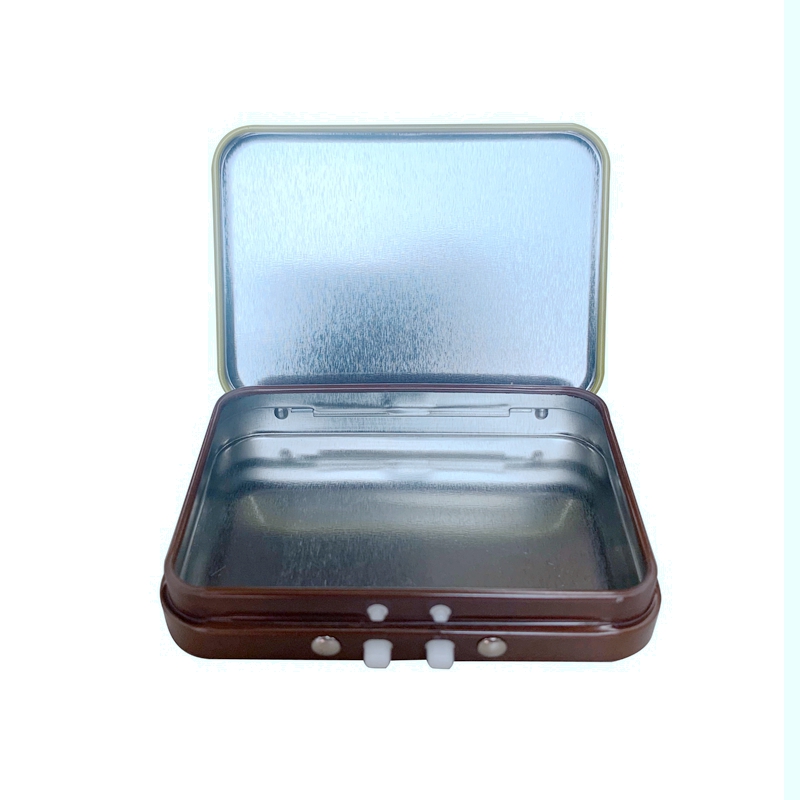
The modern tin case has evolved far beyond basic metal containers. Today's travel-oriented tin case designs incorporate secure closures, moisture-resistant seals, and ergonomic shapes that fit seamlessly into backpacks, carry-ons, and purses. For frequent travelers, business professionals, and adventure seekers alike, understanding what makes a tin case suitable for travel helps ensure your valuables remain protected throughout your journey. This guide explores the essential characteristics that define the best tin case options for travel, examining durability standards, security features, and practical design elements that matter most when you're on the move.
Essential Features That Define a Quality Travel Tin Case
Material Composition and Structural Integrity
The foundation of any reliable tin case begins with its material composition. A premium travel tin case typically uses food-grade tinplate or aluminum alloy construction, which provides excellent impact resistance without adding excessive weight. The metal thickness matters significantly—a tin case with walls measuring between 0.23mm and 0.30mm offers the optimal balance between durability and portability. This specification ensures the tin case can withstand accidental drops, compression from packed luggage, and environmental stressors without denting or compromising its contents.
The manufacturing process also influences tin case quality. Cold-rolled steel with electrolytic tinning creates a corrosion-resistant surface that maintains its integrity across varying climates. Whether you travel to humid tropical destinations or dry desert environments, a properly constructed tin case resists rust formation and surface degradation. Additionally, seamless construction techniques eliminate weak points where moisture might penetrate, ensuring your tin case provides consistent protection regardless of external conditions.
Closure Mechanisms and Security Standards
Security features distinguish ordinary containers from travel-worthy storage solutions. A high-quality tin case incorporates secure closure systems that prevent accidental opening during transit. Hinge designs with friction-fit lids offer reliable closure without requiring additional latches, while some advanced tin case models include child-resistant mechanisms that meet international safety standards. These features prove particularly valuable when traveling with medications or small items that require controlled access.
The closure strength of a tin case directly impacts its travel suitability. A Tin Case with a properly calibrated hinge maintains closure integrity even when subjected to vibration and movement inside luggage compartments. Testing protocols for travel tin case designs often include drop tests from standard baggage handling heights and pressure tests simulating stacked luggage scenarios. A tin case that passes these evaluations provides peace of mind that your contents remain secure from departure to destination.
Size Optimization and Portability Considerations
Dimensional Standards for Different Travel Needs
Selecting the appropriate tin case size requires understanding your specific travel requirements. Compact tin case models measuring approximately 95mm x 60mm x 25mm fit comfortably in jacket pockets or small purse compartments, making them ideal for daily medications, earbuds, or emergency cash. Medium-sized tin case options around 110mm x 80mm x 30mm accommodate larger item collections while still qualifying as carry-on friendly. For extended journeys requiring more storage capacity, a tin case with dimensions up to 150mm x 100mm x 40mm provides substantial organization without becoming cumbersome.
The volume-to-weight ratio defines a tin case's portability efficiency. A well-designed travel tin case maximizes internal storage while minimizing material weight. Aluminum tin case construction typically weighs 30-50% less than equivalent steel versions, though both materials offer adequate durability for travel purposes. When evaluating a tin case, consider not just its empty weight but how it performs when fully loaded—a properly balanced tin case distributes weight evenly, preventing awkward bulk in your travel bag.
Stackability and Organization Features
Frequent travelers often require multiple storage containers for different item categories. A tin case designed with flat, parallel surfaces enables efficient stacking, maximizing luggage space utilization. Some tin case models feature slight nesting capabilities, where smaller units fit partially inside larger ones when empty, reducing storage requirements at your destination. This design consideration transforms a tin case from a single-purpose container into a versatile organizational system.
Interior organization enhances a tin case's functionality for travel scenarios. While maintaining structural simplicity, some tin case designs incorporate subtle embossing or divided sections that prevent small items from shifting during transit. A tin case with a slightly textured interior surface reduces item movement without adding removable components that could become lost. These thoughtful design elements demonstrate how a tin case can provide organizational benefits beyond basic containment.
Durability Performance Across Travel Scenarios
Impact Resistance and Protective Capacity
Travel environments subject containers to varied physical stresses. A reliable tin case must withstand impacts from accidental drops, compression from shifting luggage, and vibration during transportation. Testing protocols for travel-grade tin case products include drop tests from heights of 1.2 to 1.5 meters onto hard surfaces, simulating realistic handling scenarios. A tin case that maintains structural integrity and closure function after such impacts demonstrates genuine travel worthiness.
The protective capacity of a tin case extends to its contents' vulnerability level. For fragile items like electronic components or glass vials, a tin case with slightly cushioned interior coating provides additional impact absorption. However, most travel tin case designs rely on rigid structural integrity rather than padding, as the metal construction itself distributes impact forces across the entire surface area rather than concentrating stress at specific points. This engineering approach explains why a properly designed tin case often protects contents better than seemingly thicker plastic alternatives.
Environmental Resistance and Longevity
Travel exposes containers to temperature fluctuations, humidity variations, and occasional moisture contact. A quality tin case maintains protective function across temperature ranges from -20°C to 60°C, covering most travel destinations worldwide. The metal construction of a tin case provides inherent thermal stability, neither becoming brittle in cold conditions nor softening in heat like some plastic containers. This temperature resilience ensures your tin case performs consistently regardless of climate.
Moisture resistance distinguishes superior tin case designs from basic metal containers. A travel-appropriate tin case incorporates either a gasket seal or precision-machined edges that create tight closure tolerances, minimizing moisture intrusion. While not typically waterproof in submersion scenarios, a well-constructed tin case protects contents from humidity, condensation, and brief splashes. This protection level proves adequate for most travel situations, from bathroom counter storage to brief rain exposure during transfers.
Long-term durability separates disposable containers from investment-quality storage solutions. A premium tin case maintains both aesthetic appeal and functional performance through hundreds of opening cycles. Hinge mechanisms in quality tin case products undergo fatigue testing to ensure they withstand at least 5,000 open-close cycles without loosening or failing. This durability standard means your tin case remains reliable through years of regular travel use, providing better value than frequently replaced alternatives.
FAQ
What items are best suited for storage in a travel tin case?
A tin case excels at protecting small, valuable items during travel. Medications remain secure and organized in a tin case, with the rigid structure preventing pill crushing and the sealed environment maintaining medication integrity. Jewelry pieces benefit from a tin case's scratch-resistant interior and secure closure. Electronic accessories like earbuds, USB drives, and charging cables stay untangled and protected in a compact tin case. Emergency supplies including bandages, safety pins, and small tools find ideal organization in a travel tin case. The key consideration is matching item size to tin case capacity while ensuring the combined weight remains manageable for your travel style.
How does a tin case compare to plastic containers for travel durability?
A tin case typically outperforms plastic containers in impact resistance and long-term durability. While plastic may initially seem lighter, a tin case maintains structural integrity after repeated impacts that would crack or deform plastic alternatives. The rigid metal construction of a tin case prevents crushing under luggage pressure, whereas plastic containers often buckle when compressed. Temperature stability gives a tin case additional advantages, as metal maintains consistent protective properties across climate variations while plastic can become brittle in cold or warp in heat. However, a tin case generally weighs slightly more than equivalent plastic options, requiring travelers to balance durability benefits against marginal weight differences.
Can a tin case go through airport security and X-ray screening?
A tin case passes through airport security screening without issues in most situations. The metal construction makes a tin case visible on X-ray machines, allowing security personnel to verify contents visually. Unlike opaque plastic containers that may require additional inspection, a tin case's X-ray signature actually facilitates efficient screening. However, travelers should keep contents organized and avoid overpacking a tin case, as densely packed items may prompt manual inspection regardless of container type. Medications and medical supplies stored in a tin case should be easily identifiable to expedite security processes. For international travel, a tin case provides the added benefit of appearing professional and organized during customs inspections, potentially reducing questioning about small item collections.