
 EN
EN
 AR
AR BG
BG HR
HR CS
CS DA
DA NL
NL FI
FI FR
FR DE
DE EL
EL IT
IT JA
JA KO
KO NO
NO PL
PL PT
PT RO
RO RU
RU ES
ES SV
SV CA
CA IW
IW ID
ID LV
LV LT
LT SR
SR SK
SK SL
SL UK
UK VI
VI SQ
SQ HU
HU TR
TR FA
FA MS
MS GA
GA CY
CY LA
LA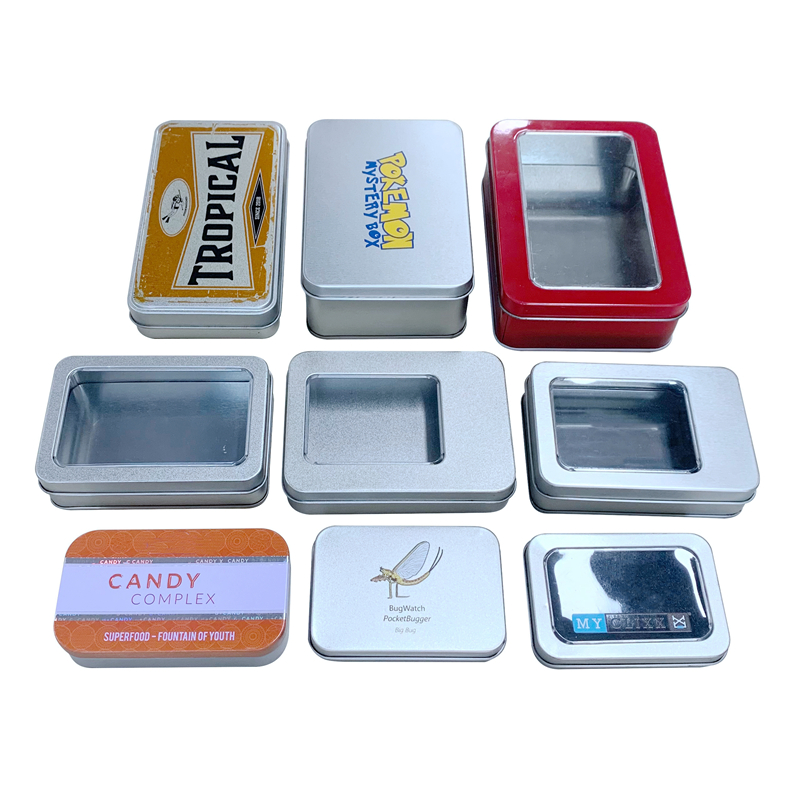
Artists have long sought reliable solutions for organizing and protecting their valuable art supplies, and the tin case has emerged as a beloved choice among creative professionals and hobbyists alike. The tin case offers a unique combination of durability, portability, and aesthetic appeal that resonates deeply with artists who value both function and form. Whether working with pencils, watercolors, pastels, or mixed media supplies, artists consistently turn to the tin case as their preferred storage solution. The enduring popularity of the tin case in artistic communities speaks to its practical benefits and the emotional connection artists develop with these sturdy containers.
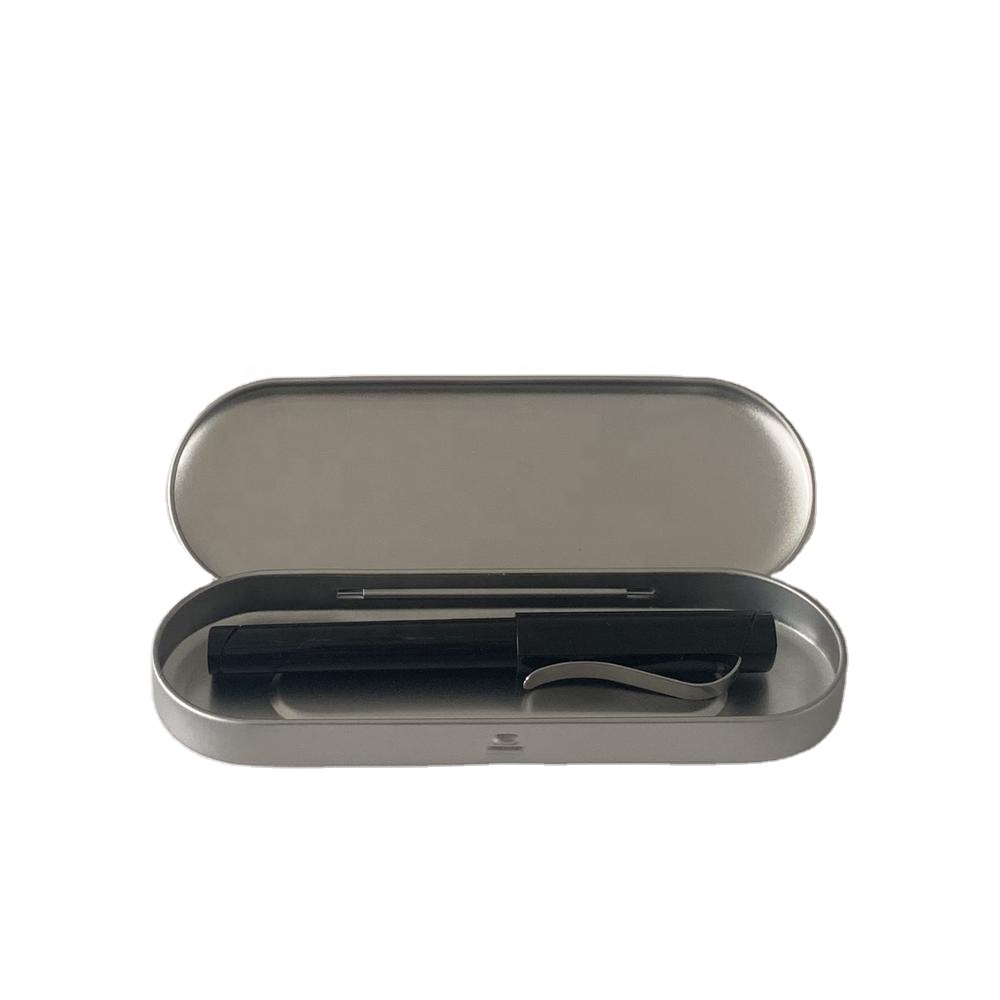
The relationship between artists and their storage solutions goes beyond mere utility. A quality tin case becomes part of an artist's identity and workflow, traveling with them to studios, plein air locations, workshops, and classrooms. The tin case protects delicate materials from breakage, moisture, and environmental damage while keeping supplies organized and immediately accessible. Artists appreciate how a well-designed tin case transforms chaotic collections of materials into ordered systems that enhance creativity rather than hinder it. Understanding why artists gravitate toward the tin case reveals important insights about professional needs, aesthetic preferences, and the practical demands of creative work.
Superior Protection for Delicate Art Materials
Structural Integrity That Safeguards Investments
Artists invest significantly in quality materials, and the tin case provides exceptional protection for these valuable supplies. Unlike plastic or cardboard alternatives, the tin case offers rigid construction that prevents crushing and damage during transport. The metal construction of a tin case shields contents from impact, pressure, and accidental drops that could destroy expensive pencils, brushes, or pigments. Artists working with colored pencils particularly value how a tin case prevents tips from breaking, preserving the precise points needed for detailed work. The robust nature of the tin case means supplies remain intact through years of regular use, protecting both financial investments and creative potential.
Environmental Resistance for Long-Term Storage
The tin case excels at protecting art supplies from environmental threats that degrade quality over time. Moisture, humidity, and temperature fluctuations can ruin paper-based supplies, cause pigments to clump, or damage wooden pencil casings. A properly sealed tin case creates a protective barrier against these elements, maintaining optimal conditions for sensitive materials. Artists storing watercolor pans appreciate how a tin case prevents moisture absorption that could compromise pigment quality. The tin case also blocks dust and debris that might contaminate clean supplies or scratch delicate surfaces. For artists working in varied environments, from humid coastal studios to dry desert locations, the tin case provides consistent protection regardless of external conditions.
Practical Portability for Mobile Creativity
Compact Design for Easy Transport
Mobility matters tremendously to artists who work outside traditional studio settings, and the Tin Case delivers exceptional portability. The flat, rectangular design of most tin case options fits easily into backpacks, tote bags, and messenger bags without creating awkward bulk. Artists traveling to workshops, classes, or outdoor painting locations appreciate how a tin case consolidates supplies into a single, manageable unit. The slim profile of the tin case allows artists to carry multiple containers without excessive weight or space consumption. Urban sketchers working in cafes or public spaces value how a tin case opens flat on small tables, providing immediate access to materials without requiring extensive setup space.
Organized Accessibility in Any Setting
The tin case promotes efficient workflow by keeping supplies organized and immediately accessible. Artists opening a tin case find materials arranged in logical order, eliminating time wasted searching through bags or boxes. The shallow depth of most tin case designs means every item remains visible and reachable without digging through layers. Many artists customize their tin case interiors with foam inserts or elastic holders, creating personalized organization systems that match their specific workflows. This organized accessibility proves especially valuable during plein air painting sessions where changing light conditions demand quick material access. The tin case transforms from storage container to portable workstation, supporting creative flow rather than interrupting it.
Aesthetic Appeal and Personal Expression
Visual Character That Reflects Artistic Identity
Artists are visual people, and the tin case appeals to their aesthetic sensibilities in ways plastic containers cannot match. The tin case often features attractive graphic designs, vintage typography, or elegant minimalist styling that resonates with artistic taste. Many artists collect tin case options with particularly appealing designs, turning functional storage into curated displays that reflect personal style. The patina that develops on a well-used tin case tells the story of creative journeys, with scratches and wear marks becoming badges of artistic dedication. Some artists decorate their tin case with stickers, paint, or collage, transforming standard containers into personalized art objects that express individual identity.
Sustainable Choice Aligned with Creative Values
Environmental consciousness increasingly influences artist choices, and the tin case aligns with sustainability values. The durability of a metal tin case means decades of use rather than disposable plastic alternatives that quickly deteriorate. Artists appreciate that a quality tin case can be repaired, repurposed, or recycled rather than contributing to landfill waste. The longevity of the tin case also represents an investment in lasting quality over throwaway convenience, a philosophy many artists apply to all aspects of their practice. Using a tin case becomes part of a broader commitment to mindful consumption and environmental responsibility. Artists passing down beloved tin case collections to students or family members create meaningful connections that transcend mere utility.
FAQ
What makes a tin case better than plastic storage for art supplies?
A tin case provides superior durability and protection compared to plastic alternatives. The rigid metal construction prevents crushing and impact damage that could break delicate pencils or brushes. A tin case also offers better moisture resistance and longer lifespan, often lasting decades with proper care. The aesthetic appeal and sustainable nature of a tin case further distinguish it from disposable plastic options, making it a preferred choice for artists who value quality and longevity in their tools.
How do artists customize their tin case for specific art supplies?
Artists frequently modify tin case interiors to match their unique supply collections and workflows. Common customizations include adding foam inserts cut to hold specific pencil sizes, installing elastic loops to secure brushes, or creating dividers for organizing different media types. Some artists line their tin case with felt or velvet to prevent scratching delicate items. Others use magnetic strips inside the tin case to hold metal tools. These personalizations transform a standard tin case into a perfectly tailored organizational system that supports individual creative processes.
Can a tin case accommodate different types of art supplies beyond pencils?
The versatile design of a tin case makes it suitable for storing diverse art materials beyond traditional pencils. Artists successfully use tin case containers for watercolor pans, gouache tubes, pastels, charcoal sticks, erasers, blending stumps, and small brushes. The protective nature of a tin case works equally well for delicate materials and heavier tools. Many artists maintain multiple tin case units for different media, creating a modular storage system that adapts to various projects. The flat design and secure closure of a tin case prevent leaks and spills, making it appropriate even for materials that might otherwise create mess during transport.