
 EN
EN
 AR
AR BG
BG HR
HR CS
CS DA
DA NL
NL FI
FI FR
FR DE
DE EL
EL IT
IT JA
JA KO
KO NO
NO PL
PL PT
PT RO
RO RU
RU ES
ES SV
SV CA
CA IW
IW ID
ID LV
LV LT
LT SR
SR SK
SK SL
SL UK
UK VI
VI SQ
SQ HU
HU TR
TR FA
FA MS
MS GA
GA CY
CY LA
LA
When it comes to preserving food over extended periods, choosing the right container matters more than most people realize. A metal tin has been used for food storage for well over a century, and for good reason. Its rigid structure, resistance to light, and ability to form an airtight seal make a metal tin a compelling choice for both home pantries and commercial food packaging. However, like any storage solution, a metal tin comes with trade-offs that are worth examining carefully before committing to long-term use.
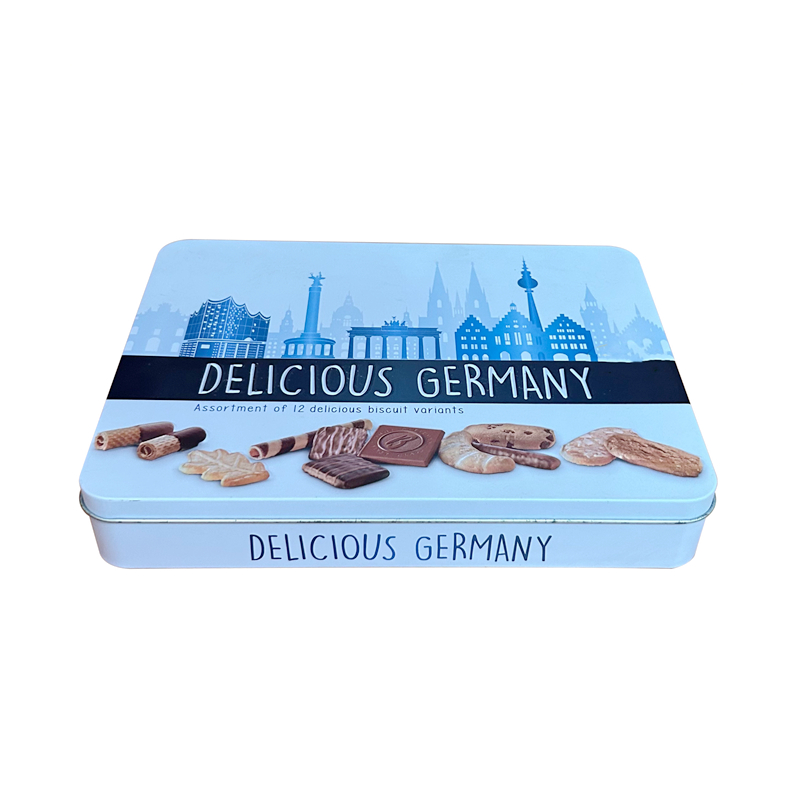
This article takes a balanced look at the advantages and disadvantages of relying on a metal tin for long-term food storage. Whether you are storing biscuits, dried goods, tea, spices, or other pantry staples, understanding how a metal tin performs under real conditions will help you make smarter decisions. We will cover structural performance, food safety considerations, practical limitations, and answer common questions buyers and users typically ask.
The Core Advantages of a Metal Tin for Food Storage
Structural Durability and Light Protection
One of the most significant advantages of a metal tin is its structural strength. Unlike plastic or glass, a metal tin resists crushing, which protects fragile contents such as biscuits, crackers, or layered confectionery. This physical resilience makes a metal tin especially suitable for shipping, stacking, and long-term shelving without the risk of deformation or breakage. A metal tin maintains its shape even when stored under weight, giving it a clear edge in demanding storage environments.
Light is a primary enemy of food longevity. Exposure to UV and ambient light accelerates oxidation, degrades color, and breaks down flavor compounds in many foods. A metal tin is completely opaque, blocking all light from reaching the contents. For products like tea, coffee, herbs, or baked goods, this light-blocking property helps preserve freshness and aroma over time. In this regard, a metal tin outperforms clear glass or translucent plastic containers that allow light penetration even when sealed.
Airtight Sealing and Moisture Resistance
A well-manufactured metal tin typically features a tight-fitting lid that limits air exchange and slows moisture ingress. Moisture is a leading cause of spoilage in dry foods, promoting mold growth and textural degradation. A quality metal tin with a secure lid forms a reliable barrier against humidity, which is particularly valuable in climates with high ambient moisture. For long-term storage of cookies, nuts, dried herbs, and similar products, the sealing capacity of a metal tin directly supports shelf-life extension.
Additionally, a metal tin does not absorb odors or flavors the way some plastics can over time. This means the taste integrity of stored food remains more consistent. A metal tin that has been cleaned thoroughly can even be reused for different food categories without flavor transfer, offering practical value beyond a single use cycle.
The Limitations of a Metal Tin in Long-Term Storage
Corrosion Risk and Acidity Sensitivity
Despite its many strengths, a metal tin is not without drawbacks. The most critical limitation is susceptibility to corrosion. When a metal tin is exposed to moisture over extended periods, particularly at the seams or lid edges, rust can develop. This is especially relevant when a metal tin is stored in humid basements, garages, or outdoor settings. Once corrosion begins, the integrity of the metal tin is compromised and food safety may be at risk.
Acidic foods present another challenge for a metal tin. Highly acidic contents such as tomatoes, citrus-based products, or pickled items can interact with the inner surface of a metal tin, potentially affecting taste or, in extreme cases, leaching trace metals. For this reason, a metal tin is better suited to dry goods, baked items, and non-acidic pantry products rather than high-acid foods. Interior linings and food-grade coatings can reduce this risk, but not all metal tin products include them.
Thermal Conductivity and Temperature Sensitivity
A metal tin conducts heat efficiently, which is a disadvantage in variable temperature environments. When a metal tin is stored in a location with significant temperature swings, condensation can form on the inner walls as the tin heats and cools. This internal moisture can hasten spoilage even if the exterior seems dry. For stable, cool, and dry storage environments, a metal tin performs excellently. However, in less controlled settings, this thermal behavior introduces a real risk that buyers should factor into their storage planning.
Weight is another consideration. A metal tin is heavier than an equivalent plastic container, which can matter for large-scale or high-volume storage situations. While this is rarely a dealbreaker, it adds to shipping costs and makes very large metal tin formats less practical for individual consumers who need to move containers frequently.
When a Metal Tin Is the Right Choice for Food Storage
Best-Fit Food Categories and Storage Contexts
A metal tin excels when used for dry, shelf-stable foods in controlled storage environments. Biscuits, shortbread, chocolate, tea, coffee, powdered spices, and similar products benefit significantly from the light protection, structural integrity, and moisture resistance that a metal tin provides. Retailers and gift packagers also favor a metal tin because of its premium appearance, printability, and perceived value, which enhances the unboxing experience alongside functional storage benefits.
From a commercial standpoint, a metal tin is highly reusable and recyclable. Consumers tend to repurpose a metal tin after its original contents are consumed, extending its life as a general storage or organizational container. This reusability factor supports sustainability goals that are increasingly important in modern packaging decisions. When comparing lifecycle value, a metal tin often offers better long-term utility than single-use plastic options.
Conditions That Maximize Metal Tin Performance
To get the best results from a metal tin in long-term food storage, the storage environment should be cool, dry, and away from direct sunlight. A metal tin stored in a pantry or indoor cabinet at stable room temperature will perform significantly better than one exposed to humidity or heat fluctuations. Pairing a metal tin with desiccant packets inside the container further reduces moisture-related risks and extends the shelf life of the stored food. These simple precautions amplify the inherent advantages of a metal tin.
Choosing a metal tin with a food-grade inner lining and a snug, well-engineered lid also makes a meaningful difference in performance. Not all metal tin products are equal in construction quality, so evaluating lid fit, seam integrity, and interior coating before purchase ensures that the metal tin you select will genuinely deliver the long-term protection you expect.
FAQ
Can a metal tin keep food fresh for several years?
A metal tin can maintain food quality for an extended period when stored in a dry, stable environment. Dry foods like biscuits, tea, and spices stored in a sealed metal tin in cool, low-humidity conditions can remain fresh for one to three years or longer, depending on the food type and storage conditions. Proper sealing and the use of desiccants inside the metal tin will help maximize shelf life.
Is a metal tin safe for direct food contact?
A food-grade metal tin designed for direct food contact is generally safe for dry and non-acidic foods. Many commercial metal tin products include interior coatings or lacquer linings to prevent direct metal-to-food contact. For acidic foods, it is best to use a metal tin with a certified food-safe lining or to use a separate food-safe inner bag inside the metal tin to prevent any interaction.
How do I prevent rust in a metal tin used for food storage?
To prevent rust in a metal tin, always store it in a dry environment away from humidity. Avoid washing a metal tin with excess water and always dry it thoroughly if cleaning is needed. Keeping the lid tightly closed and placing silica gel desiccant packets inside the metal tin are effective ways to manage moisture and significantly reduce the risk of corrosion over time.