
 EN
EN
 AR
AR BG
BG HR
HR CS
CS DA
DA NL
NL FI
FI FR
FR DE
DE EL
EL IT
IT JA
JA KO
KO NO
NO PL
PL PT
PT RO
RO RU
RU ES
ES SV
SV CA
CA IW
IW ID
ID LV
LV LT
LT SR
SR SK
SK SL
SL UK
UK VI
VI SQ
SQ HU
HU TR
TR FA
FA MS
MS GA
GA CY
CY LA
LA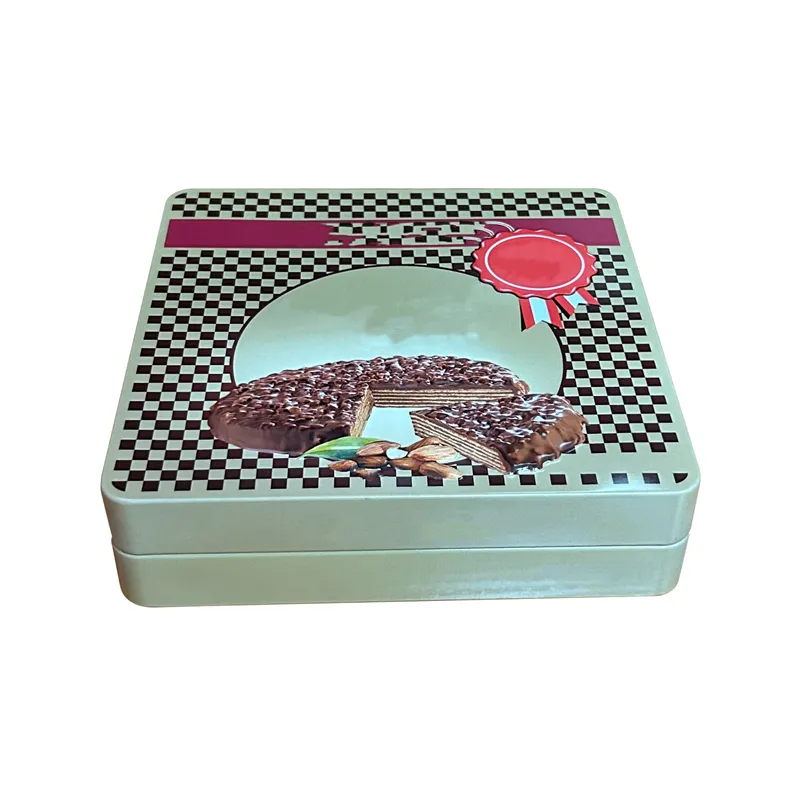
Magnetic metal tin containers have become increasingly popular for their versatility in both organizational and decorative applications. These metal tin solutions offer practical storage combined with aesthetic appeal, making them ideal for homes, offices, and creative spaces. The magnetic properties of a metal tin allow it to adhere to metal surfaces, creating innovative storage opportunities that maximize vertical space while maintaining easy accessibility. Whether you're organizing craft supplies, kitchen essentials, or office materials, a metal tin provides durable and attractive storage that adapts to various environments and design preferences.
The creative potential of magnetic metal tin containers extends far beyond basic storage. Interior designers and organization enthusiasts have discovered countless ways to incorporate a metal tin into functional decor schemes that enhance both utility and visual interest. From kitchen walls to office cubicles, metal tin installations create custom storage systems that reflect personal style while solving real organizational challenges. The durability of each metal tin ensures long-term performance, while the magnetic mounting system allows for flexible rearrangement as needs change. This combination of practicality and adaptability makes magnetic metal tin solutions an essential component of modern organizational design.
Innovative Organization Solutions with Magnetic Metal Tin Containers
Kitchen and Pantry Organization Using Metal Tin Systems
The kitchen environment benefits tremendously from magnetic Metal Tin organization systems. A metal tin attached to refrigerator sides or metal backsplashes creates instant storage for spices, cooking utensils, and frequently used ingredients. Each metal tin can be labeled and arranged by category, transforming chaotic cabinet spaces into streamlined cooking zones. The magnetic feature of each metal tin means no drilling or permanent installation is required, preserving appliance surfaces while providing robust storage capacity. Multiple metal tin units can be clustered together to create comprehensive pantry systems that keep ingredients visible and accessible.
Commercial kitchens and home chefs alike appreciate how a metal tin maintains organization during busy meal preparation. The sealed nature of most metal tin designs protects contents from moisture and contamination, while the magnetic mounting keeps supplies at arm's reach. A metal tin system can hold everything from measuring spoons to recipe cards, with each metal tin serving a specific organizational purpose. The reflective surface of a polished metal tin also adds visual interest to kitchen decor, complementing stainless steel appliances and modern design aesthetics. When planning kitchen organization, consider how multiple metal tin units can work together to create zones for baking supplies, beverage preparation, or daily meal essentials.
Office and Workspace Metal Tin Organization Strategies
Office environments gain significant functionality through strategic metal tin placement. A metal tin mounted on filing cabinets or metal desk frames holds pens, paper clips, and other small office supplies that typically clutter work surfaces. Each metal tin becomes a dedicated station for specific supplies, reducing search time and improving workflow efficiency. The compact footprint of a metal tin makes it ideal for cubicle environments where desk space is limited, while the magnetic mounting eliminates the need for adhesives that might damage office furniture. Progressive workplaces use metal tin systems to create personalized organization solutions that adapt to individual work styles.
The visual organization provided by metal tin systems also contributes to professional workspace aesthetics. A uniform set of metal tin containers creates cohesive visual appeal while maintaining practical functionality. Each metal tin can be customized with labels or decorative elements that reflect corporate branding or personal style preferences. Tech-forward offices appreciate how a metal tin can hold charging cables, earbuds, and other electronic accessories near workstations without creating cable clutter. By implementing metal tin organization throughout shared workspaces, facilities managers create standardized storage solutions that improve overall office efficiency while reducing supply procurement costs through better inventory visibility.
Decorative Applications and Styling with Metal Tin Elements
Home Decor Enhancement Through Metal Tin Displays
Interior design schemes increasingly incorporate metal tin elements as both functional and decorative features. A vintage metal tin collection displayed on a metal wall creates an eclectic focal point that combines nostalgia with practical storage. Each metal tin in such arrangements can hold different decorative items like dried flowers, air plants, or seasonal decorations that change throughout the year. The industrial aesthetic of a metal tin complements contemporary farmhouse styles, urban loft designs, and minimalist interiors. Designers often use metal tin groupings to add texture and dimensional interest to otherwise flat wall surfaces.
Seasonal decorating becomes more versatile with magnetic metal tin systems. A metal tin can be easily updated with seasonal contents, labels, or paint treatments without permanent commitment. During holidays, each metal tin might hold themed decorations, craft supplies for seasonal projects, or gift-wrapping essentials. The ability to rearrange metal tin displays means homeowners can refresh room aesthetics without purchasing new storage furniture. Painted metal tin collections in coordinating colors create custom decor elements that express personal style while maintaining organizational functionality. Interior stylists recommend starting with a small metal tin grouping and expanding the collection as organizational needs become clearer.
Creative Craft and Hobby Storage with Metal Tin Solutions
Craft enthusiasts find metal tin storage particularly valuable for organizing small supplies that easily become disorganized. A metal tin dedicated to specific craft categories like buttons, beads, or threads keeps materials sorted and visible. The magnetic properties allow metal tin units to be mounted on metal craft tables, tool chests, or even repurposed metal sheets mounted to walls. Each metal tin becomes a mobile storage module that can be relocated as project needs change. The sealed design of most metal tin containers also protects delicate materials from dust and environmental damage between crafting sessions.
Specialized hobby areas benefit from customized metal tin organization systems. Sewing rooms use metal tin arrays for thread spools, needles, and small notions. Model builders employ metal tin storage for paints, brushes, and tiny components. The transparent or labeled nature of each metal tin allows for quick material identification without opening multiple containers. Craft bloggers and social media influencers showcase aesthetically arranged metal tin collections that inspire others while demonstrating practical organization techniques. By investing in quality metal tin containers with strong magnetic backing, hobbyists create portable organization systems that can accompany them to workshops, classes, or creative retreats. The durability of a well-constructed metal tin ensures it withstands repeated use and transport.
Practical Considerations for Metal Tin Organization Systems
Selecting Appropriate Metal Tin Specifications for Different Uses
Choosing the right metal tin requires consideration of several factors including size, magnetic strength, and material composition. A metal tin intended for lightweight paper supplies needs less magnetic force than one holding heavier tools or hardware. The gauge of metal used in a metal tin construction affects both durability and weight capacity. Food-safe metal tin options include specific coating treatments that prevent interaction between contents and metal surfaces. When building a metal tin organization system, consistency in sizing creates visual harmony while allowing for interchangeable use across different applications.
Magnetic strength testing ensures each metal tin will remain securely mounted during normal use. A properly specified metal tin should support its maximum intended load without sliding or detaching from the magnetic surface. The thickness and placement of magnetic backing on each metal tin affects holding power, with full-coverage magnets generally providing superior performance compared to spot magnets. Professional organizers recommend purchasing metal tin samples before committing to large quantities, testing them under actual use conditions to verify performance. Environmental factors like humidity and temperature fluctuations can affect both the metal tin material and magnetic properties over time, making quality construction essential for long-term reliability.
Maintenance and Longevity of Metal Tin Organization Systems
Proper maintenance extends the functional life of metal tin organization systems significantly. Regular cleaning prevents buildup that might interfere with magnetic adhesion or contaminate stored contents. A metal tin used in kitchen environments requires more frequent cleaning than one in a dry office setting. The finish on each metal tin determines appropriate cleaning methods, with powder-coated surfaces requiring gentler treatment than bare metal. Periodic inspection of magnetic backing ensures continued holding strength, with replacement options available for metal tin units showing degraded performance.
Long-term organization success depends on adapting metal tin systems as needs evolve. A metal tin collection should be evaluated periodically to ensure it still serves current organizational requirements. Unused metal tin units can be repurposed for different applications rather than being discarded. The modular nature of metal tin organization means components can be added, removed, or reconfigured without disturbing the entire system. Quality metal tin investments pay dividends through years of reliable service when properly maintained. Businesses implementing metal tin organization across multiple locations benefit from standardizing on specific models that can be easily reordered and integrated into existing systems.
FAQ
What weight capacity should I expect from a magnetic metal tin?
A standard magnetic metal tin typically holds between 8 to 16 ounces depending on magnetic strength and mounting surface quality. Heavy-duty metal tin models with reinforced magnetic backing can support up to 2 pounds when mounted on smooth, thick metal surfaces. The weight capacity of any metal tin decreases if the mounting surface is painted, curved, or made of thin metal. Always test a metal tin with intended contents before relying on it for critical storage applications.
Can a metal tin be used on non-metal surfaces?
A magnetic metal tin requires a ferromagnetic surface to function as intended, meaning it will not adhere to wood, plastic, or non-magnetic metals like aluminum or stainless steel. However, metal tin organization can be adapted to non-metal environments by installing metal sheets or strips on walls, creating magnetic receptive surfaces. Adhesive-backed metal sheets allow metal tin mounting in rental properties or locations where drilling is prohibited. Some manufacturers offer metal tin models with alternative mounting options including adhesive backs or mounting clips for greater installation flexibility.
How do I prevent rust on metal tin containers in humid environments?
Protecting a metal tin from rust requires selecting containers with appropriate protective coatings such as powder coating, enamel, or food-safe linings. In humid environments like bathrooms or coastal locations, a metal tin should be periodically inspected for early signs of corrosion and dried if moisture accumulates. Stainless steel metal tin options provide superior rust resistance compared to plain steel versions. Applying a thin coat of food-safe mineral oil to the interior of a metal tin creates an additional moisture barrier for items stored in high-humidity conditions. Regular rotation of metal tin contents and allowing air circulation prevents moisture accumulation that accelerates corrosion.