
 EN
EN
 AR
AR BG
BG HR
HR CS
CS DA
DA NL
NL FI
FI FR
FR DE
DE EL
EL IT
IT JA
JA KO
KO NO
NO PL
PL PT
PT RO
RO RU
RU ES
ES SV
SV CA
CA IW
IW ID
ID LV
LV LT
LT SR
SR SK
SK SL
SL UK
UK VI
VI SQ
SQ HU
HU TR
TR FA
FA MS
MS GA
GA CY
CY LA
LA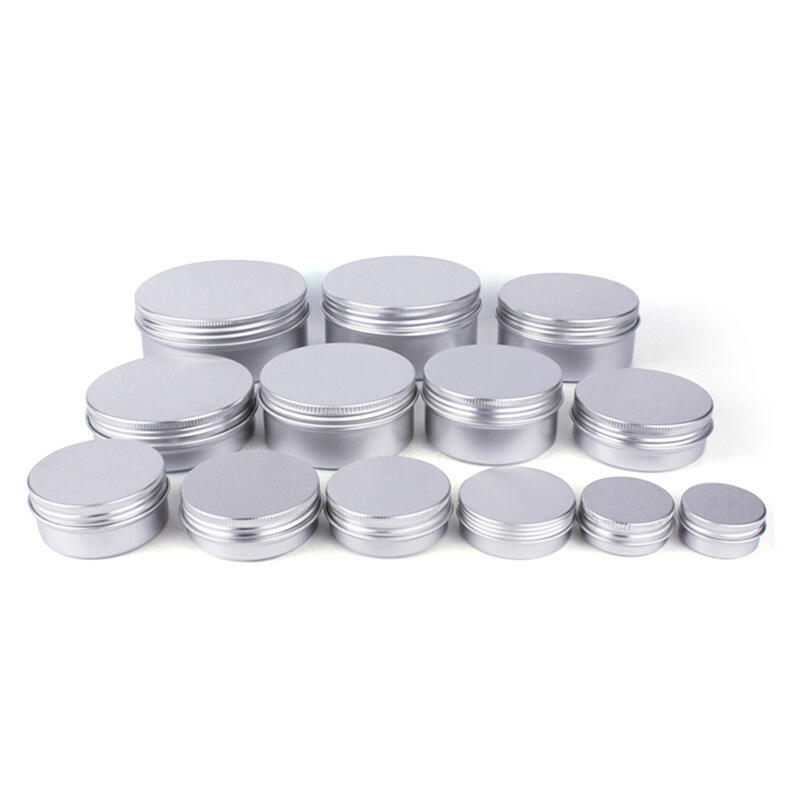
In the competitive world of product packaging, every decision a brand makes about materials, design, and durability carries real business consequences. A Tin Container has long stood out as one of the most reliable, versatile, and commercially appealing packaging solutions available across both wholesale and retail markets. From food and beverage to cosmetics, gifts, and industrial goods, the tin container offers a rare combination of structural strength, visual appeal, and environmental responsibility that few other packaging formats can match.
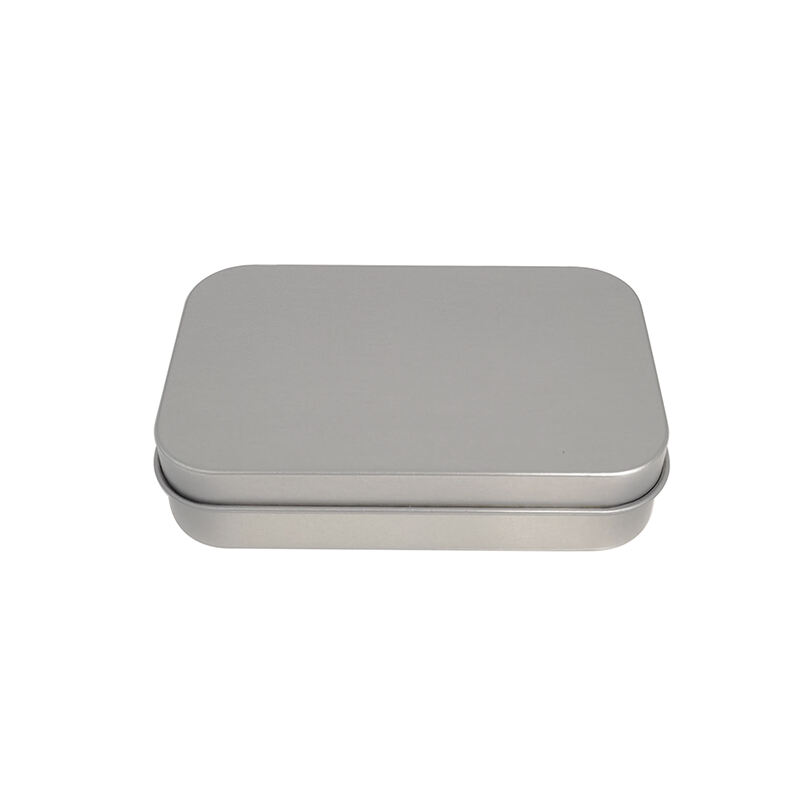
Whether you are a wholesaler sourcing packaging in bulk volumes or a retailer looking to elevate your shelf presence and product value, understanding the full range of advantages that a tin container delivers can directly influence sourcing decisions, customer satisfaction, and long-term brand equity. This article explores those advantages in depth, covering everything from material performance and cost efficiency to branding potential and sustainability — helping buyers and brand managers make well-informed packaging choices.
Structural Strength and Product Protection
Superior Durability Compared to Alternative Packaging
One of the most immediate and practical advantages of a tin container is its exceptional structural durability. Unlike cardboard, plastic, or glass, a tin container resists crushing, bending, and breakage under normal handling, transit, and storage conditions. This makes it particularly valuable in wholesale logistics where large quantities of goods are stacked, palletized, and shipped across long distances.
For wholesalers managing inventory across warehouses, the reduced incidence of packaging damage translates directly into lower product loss and fewer customer complaints. The rigidity of a tin container protects its contents from physical compression, which is especially important for fragile products like biscuits, chocolates, candles, or sensitive cosmetic items. The material integrity remains consistent even in humid or temperature-varied environments.
In retail environments, a tin container that reaches shelves in pristine condition communicates quality to the end consumer before the product is even opened. This durability advantage is not just about protecting the contents — it is also about preserving the packaging itself as a representation of the brand.
Hermetic Sealing and Content Preservation
A tin container can be manufactured with tight-fitting lids that create a near-airtight seal, which is a crucial advantage for products that are sensitive to moisture, air, or contamination. For food products like tea, coffee, confectionery, and spices, this sealing ability helps extend shelf life without requiring additional chemical preservatives. For pharmaceutical and nutraceutical applications, it ensures product integrity throughout the supply chain.
This preservation capability is highly valued by wholesale buyers who need packaging that maintains product quality over weeks or months in storage. A tin container does not absorb odors or leach chemicals into the product it holds, making it a food-safe option that aligns with both consumer expectations and regulatory requirements in many markets.
Retailers benefit equally from this feature because products arriving at point-of-sale with full freshness and integrity are far less likely to result in returns, refunds, or negative reviews — all of which carry real operational and reputational costs for retail businesses.
Branding Versatility and Premium Retail Presence
A Canvas for High-Impact Visual Branding
A tin container offers a smooth, printable surface that accepts high-resolution lithographic printing, embossing, debossing, and a wide range of surface finishes including matte, gloss, and metallic effects. This makes it an ideal packaging format for brands that want to communicate premium value at the retail level. Unlike cardboard or flexible packaging, a tin container holds its printed design sharply and consistently over time without fading, peeling, or warping.
For retail packaging, this matters enormously. Consumers make split-second judgments about products based on packaging appearance, and a tin container inherently communicates quality, solidity, and care. Seasonal gift tins, limited-edition collector packaging, and premium product lines all benefit from the tangible, tactile quality that a tin container provides in a way that paper or plastic simply cannot replicate.
Wholesale buyers sourcing branded packaging for retail clients also find that the tin container supports diverse branding requirements across different product categories and market segments. A single container format can serve multiple SKUs or be customized per client, offering flexibility without sacrificing brand consistency.
Perceived Value and Consumer Psychology
There is a strong and well-documented consumer perception that a tin container is associated with premium, artisan, or high-quality products. This perception translates into real commercial advantage: products packaged in a tin container can command higher retail prices, achieve stronger shelf presence, and generate greater consumer loyalty compared to equivalent products in lower-grade packaging.
From a psychological standpoint, the weight, texture, and sound of a tin container create multisensory signals of quality that reinforce brand positioning. Gift products, confectionery, tea, and cosmetics packaged in a tin container are more frequently selected as gift purchases, which broadens the product's appeal beyond the core consumer base.
For retailers, stocking products in a tin container also reduces the need for elaborate secondary packaging or additional display materials. The tin container is inherently display-ready, which lowers presentation costs and simplifies in-store merchandising strategies.
Cost Efficiency Across Wholesale and Retail Supply Chains
Economies of Scale in Wholesale Procurement
For wholesale buyers, the tin container offers meaningful cost advantages when sourced in volume. The manufacturing process for a tin container is highly scalable, allowing unit costs to decrease substantially as order quantities increase. This makes the tin container one of the most cost-competitive premium packaging options available at wholesale scale.
Furthermore, the durability of a tin container reduces packaging failure rates during transit and storage, which means fewer replacement orders, lower claims processing costs, and better overall supply chain efficiency. Wholesalers who factor in total cost of ownership — including damage, loss, and repackaging — consistently find that the tin container delivers strong value relative to its unit price.
Lead times for standard tin container formats are also predictable, and suppliers who specialize in tin packaging typically offer consistent quality standards that simplify procurement and quality control processes for wholesale buyers working across multiple product categories.
Retail Packaging That Reduces Total Operational Cost
Retailers benefit from the tin container not only through enhanced shelf appeal but also through operational efficiencies that reduce total packaging costs over time. A tin container does not require additional protective outer packaging in most retail scenarios, which means per-unit packaging spend is consolidated rather than layered.
The reusability of a tin container is also a commercial asset for retailers. Consumers who reuse a tin container for storage keep the brand visible in their homes long after the original product is consumed, generating ongoing brand impressions at no additional marketing cost. This extended brand lifecycle is unique to tin packaging among mainstream retail formats.
Retailers managing seasonal product lines, gift sets, or limited-edition collections find the tin container especially cost-effective because a well-designed tin retains relevance and desirability across multiple sales cycles. The upfront investment in a tin container design frequently generates returns across several seasons.
Environmental Advantages and Sustainable Packaging Compliance
Tin as a Recyclable and Environmentally Responsible Material
Sustainability has become a central concern for both wholesale buyers and retail brands navigating increasingly stringent environmental regulations and consumer expectations. A tin container is one of the most recyclable packaging formats available, with steel and tin plate being infinitely recyclable without degradation in material quality. This positions the tin container as a strong choice for brands committed to circular economy principles.
The recyclability of a tin container is recognized in most global markets, and its inclusion in standard recycling streams is straightforward for consumers and waste processors alike. Brands that use a tin container can genuinely support their sustainability claims with verifiable material credentials, which is increasingly important in B2B supplier vetting and retail ESG reporting.
For wholesale operations managing large packaging volumes, transitioning to a tin container format also supports corporate sustainability goals by reducing dependence on single-use plastic packaging — a growing regulatory priority across Europe, North America, and Asia-Pacific markets.
Longevity and the Anti-Waste Advantage
Beyond recyclability, the longevity of a tin container significantly reduces packaging waste in the first instance. Because a tin container is durable enough to be reused multiple times by consumers, its actual environmental footprint per use cycle is considerably lower than disposable packaging alternatives. A single tin container that is reused by a consumer five or ten times for storage, organization, or gifting represents substantially less waste than five or ten units of disposable packaging.
This anti-waste characteristic is increasingly appealing to environmentally conscious consumers and the retailers who serve them. Brands that package their products in a tin container can authentically communicate this reusability advantage in their marketing, labeling, and product storytelling — creating a genuine point of differentiation in markets where sustainability claims are often vague or unverifiable.
Wholesale buyers sourcing packaging for eco-positioned brands will find the tin container aligns well with green procurement criteria, third-party certification requirements, and the growing expectations of environmentally focused retail partners worldwide.
Application Versatility Across Product Categories
Food, Beverage, and Consumer Goods Applications
The tin container is used across an exceptionally broad range of product categories, which gives it a unique advantage for wholesale buyers managing diverse client portfolios and for retailers building multi-category product ranges. In the food and beverage sector, a tin container is the packaging format of choice for premium teas, artisan biscuits, confectionery, spice blends, and specialty coffee. Its combination of food safety, freshness preservation, and premium appearance makes it practically unmatched in this segment.
In the beauty and personal care space, a tin container is widely used for lip balms, solid perfumes, body butters, travel-size skincare products, and gift sets. The compact, customizable form factor of a tin container suits both mass retail and niche artisan beauty brands. Its compatibility with luxury finishes and intricate surface decoration means it can serve ultra-premium positioning as effectively as everyday personal care products.
Gift packaging, seasonal merchandise, promotional merchandise, and corporate gifting also rely heavily on the tin container as a format that elevates perceived value, holds diverse product configurations, and stores well between seasons. Wholesalers serving gift and stationery markets frequently use a tin container as an anchor product in their packaging catalog.
Industrial, Promotional, and Specialty Uses
Beyond consumer-facing product categories, the tin container also serves practical industrial and specialty applications. Small hardware items, craft supplies, seeds, hobby materials, and promotional gift items are all commonly packaged in a tin container where durability, stackability, and a clean professional appearance are required. For corporate gifting programs, a tin container provides a platform for custom branding that plastic or cardboard alternatives cannot rival.
Promotional merchandise suppliers and marketing agencies increasingly specify a tin container for branded campaigns because it offers high-impact customization at competitive wholesale pricing while delivering a finished product that recipients perceive as genuinely valuable. Unlike promotional plastic items that may be discarded quickly, a tin container tends to be kept and reused — extending the promotional lifecycle of the investment.
Specialty retailers such as museum shops, boutique food stores, independent pharmacies, and artisan craft outlets find the tin container fits naturally into their product mix because it aligns with the premium, thoughtful, quality-driven positioning their customers expect. For these retailers, a tin container is not just packaging — it is part of the product experience itself.
FAQ
What makes a tin container better than plastic packaging for retail use?
A tin container offers superior durability, premium visual presentation, food safety compliance, and genuine recyclability — advantages that plastic packaging typically cannot match together. For retail use, a tin container elevates perceived product value, survives shelf and transit handling without deformation, and aligns with growing consumer preference for sustainable packaging materials. Plastic packaging may have lower upfront costs in some cases, but the branding, consumer experience, and environmental benefits of a tin container deliver stronger long-term commercial returns for most retail product categories.
Is a tin container cost-effective when purchasing at wholesale volumes?
Yes. At wholesale volumes, a tin container becomes progressively more cost-effective due to manufacturing economies of scale. Lower unit costs at higher order quantities, combined with reduced damage and loss rates during transit and storage, make the tin container a highly competitive packaging option in total cost terms. Wholesale buyers who evaluate the full cost of packaging — including protection failures, repackaging, and returns — consistently find the tin container compares favorably against seemingly cheaper alternatives.
Can a tin container be customized for specific branding requirements?
A tin container is one of the most customizable packaging formats available. It supports high-resolution printing, embossing, debossing, spot color finishes, matte and gloss laminates, metallic effects, and custom shapes and sizes. Both wholesale buyers sourcing for multiple clients and retailers developing proprietary product lines can achieve a wide range of branding outcomes using a tin container without the need for costly secondary packaging or display materials.
How does using a tin container support sustainability goals for packaging operations?
A tin container is manufactured from steel and tin plate, both of which are infinitely recyclable materials that maintain their quality through repeated recycling cycles. This aligns the tin container with circular economy frameworks and helps brands meet sustainability targets, ESG reporting requirements, and retail partner procurement standards. Beyond recyclability, the durable and reusable nature of a tin container reduces per-use waste compared to disposable packaging formats, making it a practically sustainable choice for wholesale and retail packaging operations aiming to lower their environmental footprint.
Table of Contents
- Structural Strength and Product Protection
- Branding Versatility and Premium Retail Presence
- Cost Efficiency Across Wholesale and Retail Supply Chains
- Environmental Advantages and Sustainable Packaging Compliance
- Application Versatility Across Product Categories
-
FAQ
- What makes a tin container better than plastic packaging for retail use?
- Is a tin container cost-effective when purchasing at wholesale volumes?
- Can a tin container be customized for specific branding requirements?
- How does using a tin container support sustainability goals for packaging operations?