
 EN
EN
 AR
AR BG
BG HR
HR CS
CS DA
DA NL
NL FI
FI FR
FR DE
DE EL
EL IT
IT JA
JA KO
KO NO
NO PL
PL PT
PT RO
RO RU
RU ES
ES SV
SV CA
CA IW
IW ID
ID LV
LV LT
LT SR
SR SK
SK SL
SL UK
UK VI
VI SQ
SQ HU
HU TR
TR FA
FA MS
MS GA
GA CY
CY LA
LA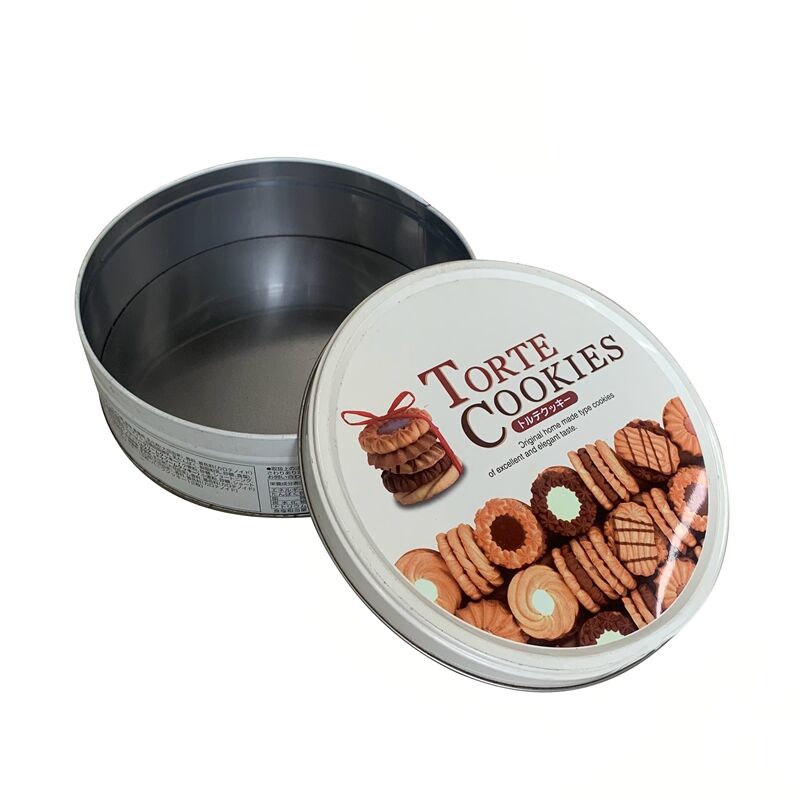
In the world of everyday carry and emergency preparedness, the humble tin case has emerged as an unexpectedly powerful solution for organizing critical survival gear. Far from being merely a vintage container or collectible item, a well-designed tin case offers the perfect combination of portability, durability, and protection that makes it ideal for housing essential survival tools. Whether you're an outdoor enthusiast, urban commuter, or someone who values preparedness in any situation, transforming a tin case into a compact survival kit represents one of the most practical and accessible approaches to personal readiness. The concept of using a tin case for survival purposes isn't new, but its relevance has grown significantly as people recognize the importance of having essential tools immediately accessible during unexpected emergencies.
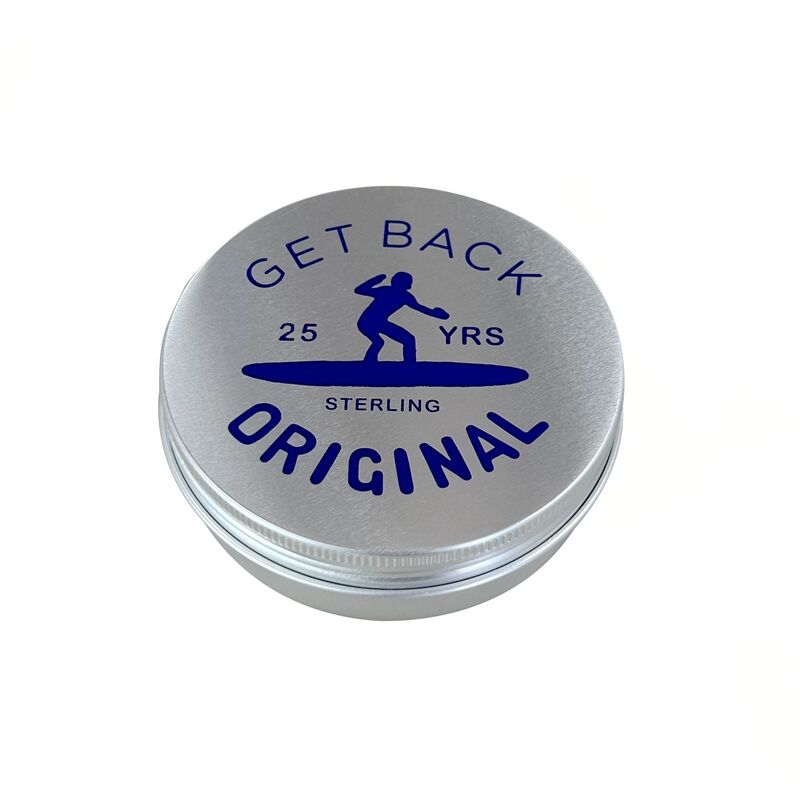
The strategic advantage of selecting a tin case as your survival kit foundation lies in its unique physical properties and practical design features. Unlike plastic containers that can crack under pressure or fabric pouches that offer minimal protection, a tin case provides rigid structural integrity that shields delicate items from impact damage while maintaining a slim profile that fits comfortably in pockets, bags, or glove compartments. This metal construction also offers superior moisture resistance compared to cardboard or leather alternatives, ensuring that critical items like fire-starting materials, medications, or paper-based resources remain dry and functional when you need them most. The compact dimensions of a standard tin case force users to make thoughtful decisions about which survival items truly matter, creating a curated collection of essential tools rather than an overwhelming assortment of rarely-used equipment.
Why a Tin Case Excels as a Survival Kit Container
Superior Protection Against Environmental Factors
The protective capabilities of a tin case extend far beyond simple storage, offering critical defense against environmental threats that can compromise survival supplies. Metal construction provides an effective barrier against moisture infiltration, preventing rust on metal tools, degradation of tinder materials, and damage to medical supplies that require dry storage conditions. This waterproof quality becomes particularly valuable in humid environments, during unexpected rain exposure, or when carrying the kit in conditions where condensation might accumulate inside fabric or plastic containers. The rigid walls of a tin case also protect fragile items like matches, first aid supplies, or signal mirrors from being crushed by external pressure, whether from other items in a backpack or from accidental impacts during daily activities.
Temperature stability represents another environmental advantage that makes the tin case format particularly suitable for survival applications. Unlike plastic containers that can warp in heat or become brittle in extreme cold, metal tins maintain their structural integrity across a wide temperature range. This consistency ensures that your survival kit remains accessible and functional whether stored in a hot vehicle during summer months or carried during winter outdoor activities. The thermal conductivity of metal also means that a tin case won't trap heat around sensitive items like medications or adhesives that might degrade under sustained high temperatures, while the sealed design prevents cold air from directly contacting temperature-sensitive supplies.
Compact Dimensions Enable True Everyday Carry
The defining characteristic that elevates a tin case to ultimate EDC status is its ability to contain essential survival capabilities within dimensions that genuinely support daily portability. A standard Tin Case measuring approximately three to four inches in length can fit comfortably in a front pants pocket, jacket pocket, or small bag compartment without creating uncomfortable bulk or weighing down clothing. This unobtrusive size encourages consistent carrying behavior, which represents the most critical factor in emergency preparedness effectiveness. The most sophisticated survival kit offers zero value if it remains at home when an emergency occurs, making the pocketable dimensions of a tin case far more valuable than larger kits with more extensive supplies that users leave behind due to inconvenience.
The shallow depth of most tin case designs creates an organizational advantage that larger containers cannot replicate. Items stored in a single layer remain immediately visible and accessible when the lid opens, eliminating the need to dig through multiple levels of supplies to locate a specific tool during stressful situations. This flat configuration also encourages strategic thinking about item selection and arrangement, as users must carefully consider which tools provide the greatest survival value relative to the limited space available. The discipline required to populate a tin case with only essential items results in a more focused and practical survival kit compared to larger containers that tempt users to include redundant or marginally useful items that add weight without proportional survival benefit.
Material Durability Ensures Long-Term Reliability
The longevity of a tin case as a survival kit container significantly exceeds that of alternative materials commonly used for small storage solutions. Quality metal construction resists the degradation patterns that plague plastic containers, which gradually become brittle through UV exposure, temperature cycling, and general aging. A properly maintained tin case can remain functional for decades, providing reliable protection for survival supplies throughout years of daily carry without requiring replacement due to material failure. This durability translates to cost-effectiveness over time and ensures that users can develop familiarity with their specific kit configuration without interruption from container replacement needs.
The structural rigidity of a tin case also contributes to its reliability as a survival tool platform. The firm lid closure of most tin case designs creates an audible click or snap that provides tactile confirmation of proper sealing, reducing the risk of accidental opening during transport that might result in lost supplies. The metal hinge or fitted lid design withstands repeated opening and closing cycles far better than flexible plastic containers with living hinges that eventually fatigue and break. This mechanical reliability ensures that your survival kit remains secure and accessible through thousands of daily carry cycles, training exercises, and periodic inventory checks without compromising the container's integrity or protective capabilities.
Essential Components for a Tin Case Survival Kit
Fire-Starting Capabilities as Primary Priority
The ability to create fire represents perhaps the most critical survival skill, making fire-starting materials the foundational component of any tin case survival kit. The compact dimensions of a tin case require careful selection of fire-starting tools that maximize reliability while minimizing space consumption. A small ferrocerium rod measuring approximately two inches in length provides thousands of strikes in a package that fits easily within the tin case dimensions, while the metal scraper needed to generate sparks can be fashioned from a small piece of hacksaw blade that doubles as a cutting tool. Including a striker and ferro rod combination ensures fire-starting capability even in wet conditions where matches might fail, providing redundancy that justifies the minimal space these items occupy.
Tinder materials require equally thoughtful selection to maximize ignition reliability within the limited volume of a tin case. Cotton balls saturated with petroleum jelly represent one of the most space-efficient and reliable tinder options, as three to four prepared cotton balls compress into a remarkably small footprint while providing extended burn times that facilitate igniting damp natural materials. These prepared tinder bundles remain effective even after years of storage within a sealed tin case, unlike natural tinders that might degrade or lose effectiveness over time. Alternative tinder options such as commercial fire-starting tabs, jute twine sections, or char cloth can also fit within tin case dimensions, allowing users to select materials that match their skill level and preferred fire-building techniques while ensuring critical ignition capability remains available.
Cutting Tools Provide Multi-Purpose Functionality
A reliable cutting edge represents the second essential component category for any survival kit housed within a tin case, though space constraints require innovative approaches to including blade functionality. Rather than attempting to fit a folding knife within the limited tin case volume, many experienced preparedness practitioners select surgical scalpel blades or razor blades that provide exceptional sharpness in an incredibly thin profile. A single-edge razor blade wrapped in a fold of duct tape occupies minimal space while offering cutting capability for tasks ranging from processing cordage to preparing tinder to basic first aid applications. The protective tape wrapping prevents accidental cuts during kit access while providing a small supply of versatile repair tape that serves multiple survival functions.
Wire saw segments represent another space-efficient cutting tool option particularly well-suited to tin case dimensions. A twelve-inch section of flexible wire saw can be coiled tightly within the container, providing the capability to process branches for shelter construction or firewood preparation without consuming the volume required for a conventional saw blade. The flexible nature of wire saws also allows users to employ creative cutting angles and techniques not possible with rigid blade tools, expanding functional versatility without proportional space cost. Pairing a wire saw section with a small blade creates a complementary tool set that addresses both fine detailed work and larger material processing needs within the compact envelope of a tin case survival kit.
Medical Supplies Address Immediate Health Needs
While comprehensive medical treatment exceeds the capabilities of a tin case survival kit, including carefully selected first aid supplies addresses the most statistically common injury patterns encountered in emergency situations. Adhesive bandages in various sizes protect minor wounds from infection and facilitate continued mobility despite small cuts or abrasions that might otherwise become problematic. Selecting fabric bandages rather than plastic varieties provides better adhesion in wet conditions and greater conformability to joint areas where movement might dislodge less flexible options. Two to three bandages occupy minimal space within a tin case while addressing a high percentage of minor injuries that might occur during evacuation scenarios or outdoor emergencies.
Medication components within a tin case survival kit should focus on addressing acute conditions that might compromise survival capabilities rather than attempting to stock a comprehensive pharmacy. A small quantity of pain reliever tablets addresses both discomfort management and fever reduction in a compact form factor that fits easily within tin case dimensions. Antihistamine tablets provide treatment for allergic reactions that might otherwise progress to dangerous conditions, while a few doses of anti-diarrheal medication prevent fluid loss scenarios that could become critical in situations where clean water access remains limited. Sealing these medications in a small plastic bag within the tin case provides additional moisture protection while keeping pharmaceutical items organized separately from other kit components. Including a basic antibiotic ointment packet and a length of medical tape extends first aid capabilities while maintaining the compact profile that makes tin case survival kits practical for everyday carry.
Specialized Items That Maximize Survival Capability
Navigation and Signaling Tools Enable Rescue
The ability to determine direction and attract rescue attention represents critical survival capabilities that can be accommodated within tin case dimensions through careful component selection. A button compass measuring less than one inch in diameter provides basic directional orientation sufficient for maintaining general heading during evacuation or preventing circular travel patterns that waste energy and time. While these compact compasses lack the precision of full-sized orienteering instruments, they offer adequate functionality for the directional awareness needs most likely to arise in survival scenarios. Securing the compass inside the lid of the tin case using adhesive keeps this navigation tool immediately visible when the container opens while protecting the compass face from scratching against other kit components during transport.
Signal mirrors represent another high-value, low-volume addition that significantly enhances rescue probability in scenarios where search teams might be operating in the area. A small square of reflective material or polished metal measuring approximately one inch square provides sufficient surface area to produce visible flashes across distances of several miles under optimal conditions. The tin case itself can potentially serve as an improvised signal mirror if its exterior surface possesses adequate reflectivity, though including a dedicated mirror component ensures reliable signaling capability regardless of the specific tin case finish. Pairing visual signaling capability with an emergency whistle creates redundant communication methods that function under different environmental conditions, as acoustic signals penetrate fog or dense vegetation that might obscure visual signals while reflective signals work across distances where whistle sounds dissipate below audible levels.
Water Purification Capability Addresses Critical Needs
Access to safe drinking water ranks alongside fire as a fundamental survival requirement, making water purification capability an essential component of comprehensive tin case survival kits. While carrying water supplies themselves exceeds the capacity of compact tin case containers, including chemical purification tablets provides the ability to render questionable water sources safe for consumption. A small foil packet containing eight to ten water purification tablets occupies minimal space within a tin case while providing sufficient treatment capacity for several days of emergency hydration needs. These tablets remain effective for years when stored in the dry, protected environment that a sealed tin case provides, ensuring reliable water treatment capability whenever circumstances require consuming water from natural sources or emergency supplies of uncertain purity.
The tin case container itself can potentially serve as a water boiling vessel for purification purposes, though this application requires awareness of both capabilities and limitations. Metal tin cases without interior coatings or decorative finishes can be placed directly in fire to boil small quantities of water for disinfection, providing a backup purification method if chemical treatment tablets have been exhausted or if removing larger particulates through boiling is necessary before chemical treatment. This dual-purpose functionality demonstrates the value of selecting quality tin case containers with sufficient durability to withstand direct heat exposure, though users must recognize that boiling will likely discolor or damage the container's appearance. Including a small section of aluminum foil within the kit provides the option to fashion an improvised cup or boiling vessel that preserves the tin case container itself for continued storage duty while still enabling water boiling capability.
Cordage and Repair Materials Extend Capabilities
Including versatile cordage within a tin case survival kit dramatically expands the range of tasks and repairs possible during emergency situations. A ten-foot length of 550 paracord wrapped tightly around itself or wrapped around the interior perimeter of the tin case provides surprisingly strong and versatile cordage without consuming excessive storage volume. The seven interior strands of quality paracord can be removed and used individually for finer tasks like fishing line, sewing repairs, or lashing small components, while the outer sheath maintains adequate strength for most shelter construction or equipment repair applications even after inner strands have been harvested. Alternative cordage options such as bankline or tarred twine offer different property profiles that may better suit specific user preferences or anticipated scenarios, though paracord's strength-to-weight ratio and multi-strand construction make it a particularly space-efficient choice for tin case applications.
Duct tape represents another remarkably versatile repair and construction material that can be included in tin case survival kits through creative packaging approaches. Rather than attempting to fit a roll of tape within the limited container dimensions, wrapping several feet of duct tape around a razor blade, credit card-sized plastic sheet, or even around the exterior of the tin case itself provides access to this useful material without consuming interior storage volume. The adhesive and fabric properties of duct tape support applications ranging from blister treatment and wound closure to equipment repair and improvised container construction, making it among the most versatile items relative to space consumed. Including both cordage and tape within a tin case survival kit ensures users possess basic construction and repair capabilities that might prove critical for extending the functionality of other gear or creating improvised tools from available materials.
Organization Strategies for Maximum Efficiency
Layering Techniques Optimize Space Utilization
The limited volume within a tin case demands thoughtful organization strategies that maximize storage efficiency while maintaining rapid access to critical items. Creating distinct layers within the container allows grouping related items while preventing smaller components from becoming disorganized or difficult to locate during stressful situations. A base layer might include flatter items like duct tape sections, aluminum foil pieces, or waterproof paper with emergency contact information, creating a foundation that maximizes the use of the tin case's rectangular footprint. Middle layers can then accommodate items with slightly greater depth such as medication packets, fire-starting tabs, or folded cordage, while the uppermost layer reserves space for items that benefit from immediate visibility such as adhesive bandages, the button compass, or the signal mirror.
Custom foam inserts or cardboard dividers cut to fit the specific tin case dimensions provide structure that maintains organization despite the movement and jostling that occurs during daily carry. These separators prevent items from shifting within the container, reducing noise that might result from loose components and protecting delicate items from damage caused by contact with harder tools or sharp edges. Some tin case survival kit builders create elaborate organization systems with multiple removable layers or folding arrangements that maximize density while supporting systematic access patterns, though simpler approaches often prove more practical during actual emergency situations when fine motor control and patient organization may be compromised by stress or environmental conditions. The key principle underlying effective tin case organization involves balancing maximum storage density against practical accessibility, ensuring that space efficiency doesn't create frustrating delays when attempting to retrieve specific items.
Visual Inventory Systems Support Rapid Assessment
Developing a consistent organization pattern within your tin case survival kit creates mental mapping that enables rapid inventory assessment and item location without requiring detailed visual search. Assigning specific locations within the tin case to particular item categories allows users to immediately confirm the presence of critical components through a brief glance rather than unpacking and examining each item individually. For example, consistently placing fire-starting materials in the left portion of the tin case, cutting tools in the center, and medical supplies on the right creates a predictable arrangement that becomes automatic through repetition. This spatial consistency proves particularly valuable during periodic maintenance checks and during actual emergency situations when cognitive capacity might be partially consumed by threat assessment and decision-making demands.
Color coding or distinctive packaging choices further enhance visual inventory capabilities within the compact dimensions of a tin case. Using a red plastic bag or wrapper for medical supplies, orange materials for signaling items, and green packaging for fire-starting components creates immediate visual recognition that speeds location and identification processes. This color association system requires minimal additional space while providing significant cognitive efficiency benefits that compound during stressful situations where rapid access to specific capabilities might prove critical. Some users enhance visual organization by affixing a small inventory checklist to the interior of the tin case lid, providing a reference that supports systematic gear checks and ensures that consumable items like medications or water purification tablets are replaced before expiration dates pass. While this list adds minimal weight, it provides valuable cognitive support that reduces the mental burden of remembering detailed kit contents across potentially years of carry without use.
Rotation and Maintenance Protocols Ensure Readiness
The compact and durable nature of a tin case survival kit might create a false sense that the container and contents require no ongoing attention, though establishing regular maintenance routines proves essential for ensuring operational readiness when emergencies occur. Scheduling quarterly inspections provides opportunities to verify that moisture hasn't compromised seals, that medications remain within their effective dates, and that mechanical components like compass movements or wire saw flexibility haven't degraded. These periodic checks also offer valuable practice accessing kit contents and reacquainting yourself with the location and use protocols for each item, maintaining mental preparedness alongside physical readiness. Combining maintenance inspections with training exercises where you practice deploying and using specific kit components transforms routine checking into practical skill development that significantly enhances overall survival capability.
Consumable items within tin case survival kits require particular attention to rotation schedules that prevent degradation before use becomes necessary. Water purification tablets typically maintain effectiveness for several years, though temperature extremes can accelerate degradation and reduce treatment reliability. Medications similarly possess finite shelf lives that necessitate periodic replacement, though the dry and temperature-stable environment within a metal tin case generally extends practical storage duration beyond that possible in less protective containers. Maintaining a simple log noting the date of last inspection and any component replacements supports systematic maintenance without requiring memorization of specific expiration schedules for multiple different items. Some users establish replacement routines that coincide with predictable calendar events like birthday anniversaries or seasonal changes, creating memory aids that support consistent maintenance without dedicated tracking systems.
Practical Applications Across Different Scenarios
Urban Emergency Response Situations
The utility of a tin case survival kit extends well beyond wilderness survival scenarios, providing critical capabilities during urban emergencies that range from weather events to infrastructure failures. During building evacuations caused by fire alarms, gas leaks, or bomb threats, having immediate access to a compact tin case allows responding to extended outdoor exposure without returning to potentially dangerous buildings to retrieve coats or supplies. The fire-starting capability within the kit might not serve its primary ignition purpose in urban settings, but the ferrocerium rod can generate sparks to signal for attention in dark conditions or power outage scenarios. Medical supplies address minor injuries that might occur during hurried evacuations or while navigating debris-affected areas, while the whistle provides acoustic signaling capability in situations where mobile phone networks have become overloaded or non-functional.
Transportation emergencies represent another urban scenario where tin case survival kits provide disproportionate value relative to their minimal size and weight. Vehicle breakdowns in remote areas or during severe weather conditions might necessitate extended waits for assistance, during which the compact kit supplies critical capabilities for maintaining safety and comfort. The signal mirror facilitates attracting attention from passing vehicles or search personnel, while cordage enables securing disabled vehicle components or creating improvised solutions to mechanical problems. Water purification capability becomes relevant if breakdown locations lack access to reliable hydration sources and rescue delays extend beyond anticipated timeframes. The psychological value of possessing a curated collection of emergency tools often proves as significant as the practical utility of specific items, providing reassurance and reducing panic that might otherwise compromise decision-making during stressful situations.
Wilderness Recreation and Outdoor Activities
Traditional outdoor activities represent the scenarios most commonly associated with survival gear, though the tin case format offers particular advantages for recreational users who might resist carrying larger survival kits due to weight or bulk concerns. Day hikers who travel light often forego comprehensive survival supplies under the assumption that their planned return within several hours eliminates emergency preparedness needs, though unexpected weather changes, navigation errors, or injuries can rapidly transform routine excursions into survival situations. A tin case survival kit fits comfortably in a pocket or small daypack without creating noticeable burden, encouraging consistent carrying behavior that ensures critical capabilities remain available when unexpected circumstances arise. The redundancy of having dedicated survival supplies separate from primary outdoor gear provides backup options if primary equipment becomes damaged, lost, or inaccessible during emergencies.
Water-based activities like kayaking, canoeing, or paddleboarding present unique survival scenarios where the waterproof properties of a tin case provide exceptional value. The sealed metal container protects critical supplies from water exposure that would rapidly compromise paper tinder, medication effectiveness, or electronic items like the button compass. Capsizing events or unexpected immersion situations that might thoroughly soak fabric bags or plastic containers leave tin case contents protected and immediately functional for addressing post-immersion needs like creating warmth through fire or signaling for rescue assistance. The compact dimensions of a tin case survival kit also support integration into personal flotation devices or securing to person using paracord lanyards, ensuring that critical supplies remain physically attached during water emergencies where loose equipment might be swept away or sink beyond recovery.
Professional Applications for Field Workers
Certain professional roles involve regular work in environments where emergency preparedness tools provide practical value beyond recreational considerations. Utility workers, delivery drivers, field technicians, and agricultural professionals often operate in locations distant from immediate assistance, making personal emergency supplies a reasonable professional precaution rather than mere outdoor enthusiasm. A tin case survival kit represents a professional-appearing solution that conveys thoughtful preparedness without the tactical or military associations that might accompany larger or more elaborate survival gear systems. The metal construction and modest dimensions align well with professional tool carry patterns, fitting naturally alongside work equipment without creating appearance concerns or policy conflicts that might arise with knife-based survival tools or more explicitly weaponized emergency equipment.
The standardized and transferable nature of tin case survival kits also supports organizational implementation where employers might provide emergency supplies to field personnel as part of comprehensive safety programs. Creating consistent kit configurations across multiple employees simplifies training and ensures that all personnel possess equivalent emergency capabilities regardless of individual preparedness interest or experience levels. The modest cost of assembling tin case survival kits makes organizational provisioning economically feasible even for companies with large field workforces, while the durability and longevity of quality tin case containers means that initial investments provide years of utility without frequent replacement expenses. This professional application context has driven increased interest in customized tin cases with organizational branding or specific configuration requirements that align with particular operational risk profiles or geographic deployment patterns.
FAQ
What size tin case works best for survival kit applications?
The optimal tin case dimensions for survival kit use typically measure between three and four inches in length, two to three inches in width, and approximately one inch in depth, though specific preferences vary based on intended carry methods and personal size tolerances. This general size range provides sufficient volume to accommodate essential survival components while maintaining true pocket portability that encourages consistent everyday carry. Cases measuring significantly smaller than these dimensions limit storage capacity to the point where comprehensive survival capabilities become difficult to include, while substantially larger containers compromise the portability advantage that makes tin case kits practical for daily carry. The specific dimensions should ultimately align with your typical carrying methods, whether in pants pockets, jacket pockets, or bag compartments, ensuring that the selected size feels comfortable and unobtrusive during normal activities.
How often should I inspect and update my tin case survival kit?
Establishing a quarterly inspection schedule provides an appropriate balance between maintaining readiness and avoiding excessive maintenance burden, though users operating in harsh environments or carrying kits under particularly demanding conditions might benefit from monthly checks. These periodic inspections should verify that moisture hasn't penetrated the container seals, that medications and chemical items remain within effective date ranges, that cordage hasn't developed significant fraying or weakness, and that the tin case itself maintains structural integrity without developing rust spots or hinge failures. Beyond these functional assessments, regular inspections offer valuable opportunities to practice accessing and deploying kit contents, maintaining familiarity with component locations and use procedures that might otherwise fade over extended periods of non-use. Combining inspection routines with predictable calendar events like seasonal changes or personal anniversaries creates memory aids that support consistent maintenance without requiring dedicated reminder systems.
Can I customize a tin case specifically for my needs?
Customizing tin case survival kits to address personal risk profiles, skill levels, geographic environments, and specific activity patterns represents one of the format's significant advantages, allowing users to create highly personalized emergency capabilities within the compact container dimensions. Someone living in arid climates might emphasize water purification components and sun protection items, while users in cold regions could prioritize fire-starting redundancy and emergency heat retention materials. Individuals with specific medical conditions can include prescription medications or specialized treatment supplies that address their particular health vulnerabilities, while those with advanced skills might reduce redundancy in certain tool categories to create space for specialized items that leverage their expertise. The key principle underlying effective customization involves maintaining core survival capabilities across fire, shelter, water, and signaling categories while adapting specific item selections and quantities to reflect realistic threat assessments and personal capabilities rather than generic recommendations that might not align with actual needs.
Are plastic containers better than metal tin cases for survival kits?
Metal tin cases generally provide superior performance for survival kit applications compared to plastic alternatives, primarily due to advantages in durability, moisture protection, and structural integrity that prove critical for reliable long-term emergency preparedness. Plastic containers can crack or shatter when subjected to impact stresses or temperature extremes, potentially spilling contents at precisely the moment when survival supplies become most critical. The rigid walls of metal tin cases also provide better crush protection for delicate items compared to the flexibility of most plastic containers, which might deform under sustained pressure from other items in bags or pockets. While certain specialized plastic containers with o-ring seals might offer comparable or superior waterproofing to standard tin cases, the overall combination of protection, durability, longevity, and reliable closure mechanisms makes quality metal tin cases the preferred choice for serious survival kit applications where container failure could have significant consequences.