
 EN
EN
 AR
AR BG
BG HR
HR CS
CS DA
DA NL
NL FI
FI FR
FR DE
DE EL
EL IT
IT JA
JA KO
KO NO
NO PL
PL PT
PT RO
RO RU
RU ES
ES SV
SV CA
CA IW
IW ID
ID LV
LV LT
LT SR
SR SK
SK SL
SL UK
UK VI
VI SQ
SQ HU
HU TR
TR FA
FA MS
MS GA
GA CY
CY LA
LA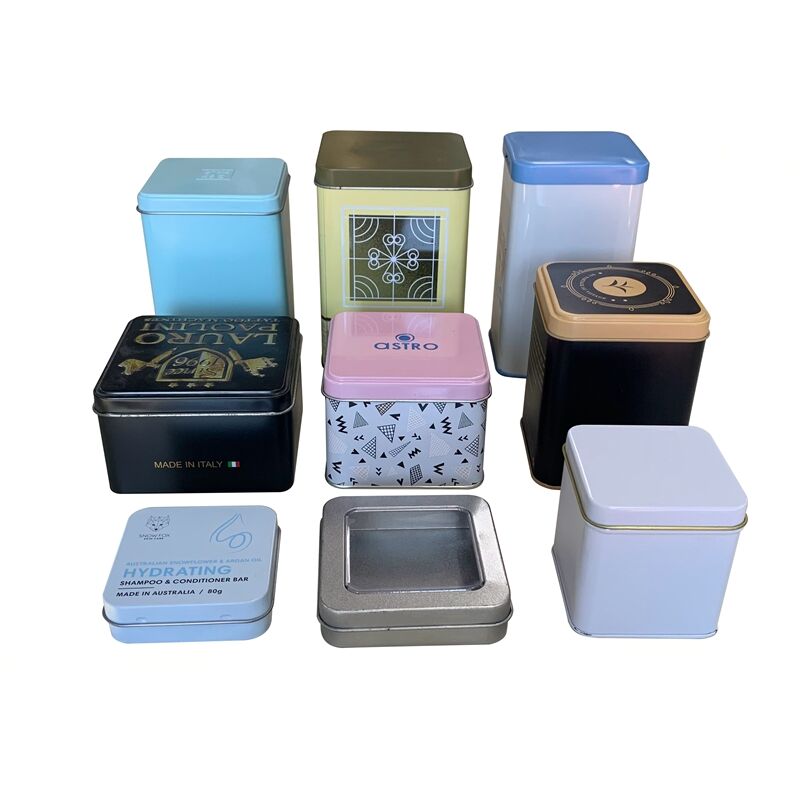
Selecting the right water-resistant tin case for outdoor gear requires understanding both the protective capabilities of metal packaging and the specific environmental challenges your equipment will face. Whether you're organizing camping supplies, storing navigation tools, or protecting emergency kits during hiking expeditions, a properly chosen tin case delivers durability and moisture protection that plastic alternatives often cannot match. The construction quality, sealing mechanism, and material thickness of your tin case directly determine how well your outdoor gear survives wet conditions, temperature fluctuations, and physical impacts encountered in wilderness environments.
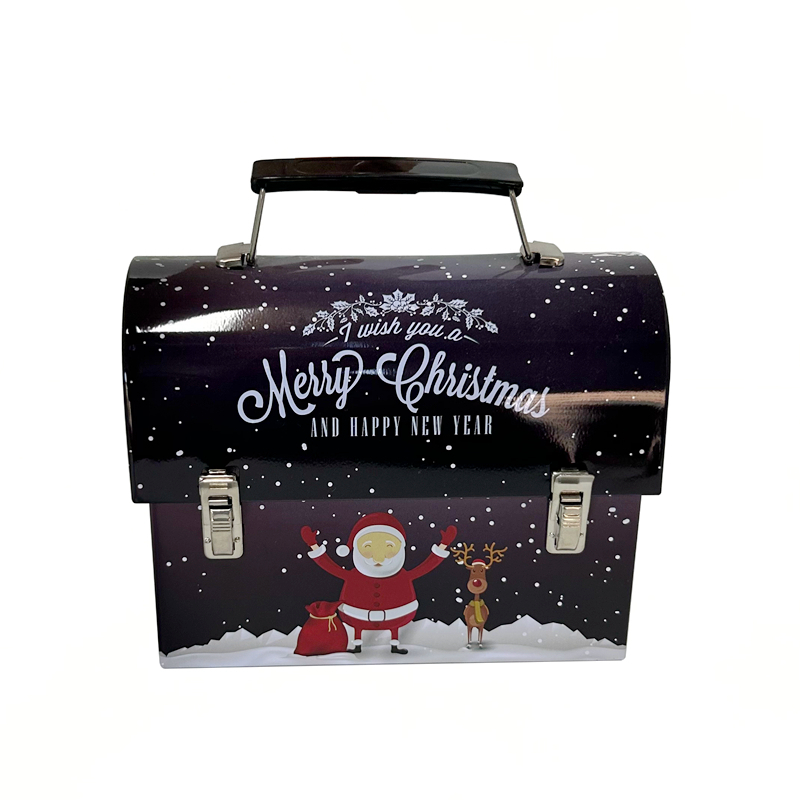
The process of choosing a water-resistant tin case involves evaluating multiple technical factors that outdoor enthusiasts and professional guides often overlook. Beyond simple aesthetic preferences, you must assess sealing technology, gauge thickness, coating quality, and capacity alignment with your specific gear requirements. This comprehensive guide examines the critical selection criteria that ensure your tin case provides reliable moisture barriers while maintaining structural integrity across diverse outdoor scenarios, from coastal kayaking trips to mountain backpacking adventures where equipment protection becomes essential for safety and operational success.
Understanding Water Resistance Standards in Metal Containers
Defining Water Resistance Versus Waterproofing
Water resistance in a tin case refers to its ability to prevent moisture penetration under specific conditions, which differs fundamentally from absolute waterproofing. A water-resistant tin case typically features tight-fitting lids with rubberized or silicone gaskets that create barriers against rain, splash, and humidity exposure during typical outdoor activities. These containers protect contents from moisture damage in most recreational scenarios but may not withstand prolonged submersion or extreme pressure differentials. Understanding this distinction helps outdoor gear users set realistic expectations about protection levels and choose appropriately for their activity intensity and environmental exposure duration.
The grading systems for water resistance in metal containers generally correlate with ingress protection ratings used across industrial applications, though consumer tin case products rarely display formal IP codes. Practical water resistance depends on lid closure mechanisms, gasket compression quality, and seam construction methods that manufacturers employ during production. When evaluating a tin case for outdoor gear, examine whether the lid creates audible compression when closing and whether visible gasket material surrounds the entire interior rim, as these physical indicators suggest adequate moisture barrier capability for field conditions.
Material Composition and Corrosion Resistance
The base metal composition of your tin case significantly influences its water-resistant performance over extended outdoor use. Most quality tin cases utilize tinplate steel with food-grade tin coating, which provides natural corrosion resistance superior to bare steel alternatives. The tin coating acts as a sacrificial layer that protects underlying steel from oxidation when exposed to moisture, making these containers suitable for humid environments and occasional wet exposure. Some premium outdoor-oriented tin case products incorporate additional lacquer coatings or powder-coated finishes that enhance moisture barrier properties and prevent rust formation at scratches or impact points where protective layers might compromise.
Aluminum tin case variants offer different water resistance characteristics due to the metal's natural oxide layer formation, which self-heals minor surface damage and prevents progressive corrosion. While aluminum containers typically weigh less than steel-based tin cases, they may dent more easily under impact, potentially compromising seal integrity around lid interfaces. For outdoor gear applications involving frequent transport in backpacks or vehicle cargo areas, steel-based tin case construction with adequate coating thickness often provides better long-term water resistance because it maintains structural geometry that keeps gaskets properly compressed even after moderate impacts occur during typical field use.
Testing Standards and Real-World Performance
Manufacturers rarely subject consumer tin case products to standardized water resistance testing, unlike marine-grade equipment containers that undergo formal certification processes. However, you can conduct simple field tests to evaluate a tin case before relying on it for valuable outdoor gear protection. Submerge the closed container in a water basin for thirty minutes with paper towels inside, then inspect for moisture penetration patterns that indicate seal weakness. This practical assessment reveals whether gasket compression and lid design provide adequate protection for your specific gear storage needs during outdoor excursions where rain exposure or accidental water contact might occur.
Real-world performance of a water-resistant tin case depends heavily on proper closure technique and regular gasket maintenance that users frequently neglect. Even well-designed containers fail to protect contents when lids remain partially unseated or when accumulated dirt prevents complete gasket compression. Establishing consistent closure habits and periodic gasket cleaning routines ensures your tin case maintains its moisture barrier capability throughout its service life. Additionally, understanding that water resistance degrades gradually through gasket compression set and coating wear helps you plan replacement cycles appropriate for the value and sensitivity of outdoor gear you're protecting in field environments.
Critical Selection Criteria for Outdoor Applications
Size and Capacity Matching
Proper tin case selection begins with accurately matching container capacity to your specific outdoor gear dimensions and packing requirements. Measure your equipment's footprint including any protective padding you'll include, then select a tin case with interior dimensions providing at least ten percent clearance on all sides. This spacing allowance prevents forced closure that compresses gaskets unevenly and creates potential leak paths around seal interfaces. Outdoor gear like fire-starting kits, first-aid supplies, or electronics benefit from slightly oversized tin case selection that accommodates moisture-absorbing desiccant packets, which enhance protection by controlling interior humidity levels even if minor moisture penetration occurs during extended field exposure.
The depth profile of your chosen tin case affects both packing efficiency and water resistance performance in practical outdoor scenarios. Shallow containers with large footprints create more gasket perimeter relative to interior volume, potentially increasing leak risk if seal quality varies along the closure interface. Conversely, deep narrow tin case designs concentrate sealing requirements on smaller perimeter lengths but may prove difficult to pack efficiently and access quickly when retrieving gear during outdoor activities. Balancing these geometric considerations with your specific equipment types and typical access frequency helps optimize both protection reliability and field usability for your particular outdoor pursuits and gear management preferences.
Lid Design and Closure Mechanisms
The lid attachment method fundamentally determines both water resistance capability and field usability of any tin case intended for outdoor gear protection. Friction-fit lids that telescope over container bodies provide simple operation but rely entirely on gasket compression for moisture barriers, making them suitable only for light rain protection and humidity control rather than splash resistance or brief submersion scenarios. Hinged lid designs with latch mechanisms offer more reliable sealing through mechanical compression that maintains consistent gasket contact pressure, though hinge durability becomes a consideration for containers subjected to repeated opening cycles during multi-day outdoor expeditions.
Examining the gasket material and installation method reveals important information about expected water resistance longevity in your Tin Case selection. High-quality outdoor containers incorporate food-grade silicone gaskets that resist compression set and maintain elasticity across wide temperature ranges encountered during camping and hiking activities. The gasket should seat in a dedicated groove rather than simply adhering to flat surfaces, as groove-mounted seals maintain position during repeated openings and provide more consistent compression when lids close. Testing lid closure force by feel helps assess whether the mechanism generates adequate gasket compression—a properly designed water-resistant tin case requires noticeable effort to achieve final closure, indicating sufficient seal pressure for moisture barrier performance.
Coating Quality and Surface Durability
External coating quality on a tin case directly affects its water resistance lifespan when exposed to abrasion, UV radiation, and chemical contact during outdoor use. Premium containers feature powder-coated or baked enamel finishes that bond chemically to metal substrates, creating durable moisture barriers that resist scratching and maintain appearance through years of field service. Lower-cost tin case products may use printed designs with clear topcoats that provide adequate initial protection but wear rapidly when stored in backpacks alongside other equipment, eventually exposing base metal to corrosion-inducing moisture. For serious outdoor gear applications, investing in containers with substantial coating thickness pays dividends through extended service life and maintained water resistance even after surface damage occurs.
Interior coating considerations prove equally important for moisture protection, particularly when storing outdoor gear sensitive to metal contact or requiring corrosion prevention. A tin case with complete interior lacquer coverage prevents condensation from directly contacting bare metal surfaces that might develop rust spots, which could subsequently contaminate stored equipment. Some specialized outdoor containers incorporate antimicrobial interior coatings that inhibit mold growth if minor moisture does penetrate seals during humid conditions or after accidental submersion. Inspecting interior surfaces for uniform coating coverage without gaps at seams or corners helps identify containers manufactured with attention to comprehensive moisture protection rather than merely external appearance.
Practical Evaluation Methods for Water Resistance
Visual Inspection Techniques
Before purchasing a tin case for outdoor gear protection, conduct thorough visual inspection focusing on construction details that indicate water resistance quality. Examine the lid-to-body interface closely, looking for consistent gap dimensions around the entire perimeter when the container sits closed. Uneven gaps suggest manufacturing inconsistencies that may compromise seal effectiveness at specific locations, creating preferential leak paths during moisture exposure. Check whether the gasket appears uniform in cross-section without compression marks, tears, or adhesive residue that might indicate previous use or quality control issues affecting moisture barrier integrity.
Seam construction quality provides valuable insight into overall tin case manufacturing standards that correlate with water resistance performance. Premium containers feature folded and sealed seams with complete solder coverage or crimped joints showing no gaps in metal-to-metal contact. Run your finger along all seam lines feeling for roughness or discontinuities that might allow moisture wicking through capillary action when the container experiences prolonged wet exposure. Additionally, inspect the exterior coating at seams and corners where coverage typically proves most challenging during manufacturing—uniform coating in these critical areas suggests production quality likely extends to less visible gasket installation and lid fitting procedures that determine actual field performance.
Functional Testing Procedures
Simple functional tests reveal practical water resistance capabilities more accurately than manufacturer claims or visual assessment alone. Place dry paper towels or tissue inside your candidate tin case, close it securely, then spray the exterior thoroughly with water from multiple angles while rotating the container. After five minutes of exposure, open the tin case and inspect the paper for any damp spots that indicate moisture penetration points. This basic spray test simulates rain exposure during outdoor activities and quickly identifies seal deficiencies that would compromise gear protection during typical field conditions encountered while camping, hiking, or engaging in water-adjacent recreational activities.
For applications requiring higher moisture protection levels, conduct a partial submersion test that evaluates seal integrity under mild pressure differentials. Submerge the closed tin case halfway in water for fifteen minutes, ensuring the waterline crosses the lid-to-body interface without fully covering the container. This test creates slight pressure forcing moisture toward any seal imperfections while allowing air pressure equalization that prevents unrealistic stress on gaskets. Inspect interior paper towels for moisture patterns that reveal specific seal weakness locations. If the tin case passes this intermediate test, it likely provides adequate protection for outdoor gear during activities where brief water contact or heavy rain exposure might occur, though full submersion protection remains beyond typical water-resistant container capabilities.
Long-Term Performance Indicators
Assessing how a tin case will perform after months or years of outdoor use requires examining design features that indicate durability under field conditions. Check whether replacement gaskets are available from the manufacturer, as this suggests the company designs for long-term serviceability rather than disposable use. Gasket replaceability extends the useful life of quality tin case investments significantly, allowing you to maintain water resistance even after seal materials naturally degrade from UV exposure, temperature cycling, and compression fatigue accumulated during hundreds of opening cycles typical in active outdoor gear management.
Hinge and latch wear resistance directly affects maintained water resistance over a tin case's operational lifetime. Examine these mechanical components for smooth operation without excessive play or binding, which indicates proper engineering and manufacturing precision. Steel or stainless hardware generally outlasts brass or aluminum alternatives in outdoor applications, particularly in marine environments where galvanic corrosion might compromise dissimilar metal combinations. Testing hinge and latch feel when new provides baseline understanding of how the mechanism should operate, helping you detect deterioration before seal compression becomes inadequate for moisture protection of valuable outdoor gear during field expeditions where equipment reliability becomes critical.
Optimizing Tin Case Performance in Field Conditions
Proper Packing Strategies
How you pack items inside a tin case significantly influences its effective moisture protection during outdoor activities. Create interior organization that prevents gear from shifting during transport, as movement can stress lids and compromise seal integrity when containers experience the impacts and vibrations typical during backpacking or vehicle-based outdoor adventures. Using custom-cut foam inserts or fabric pouches maintains equipment positioning while providing additional moisture absorption capability if minor seal leakage occurs. This layered protection approach acknowledges that field conditions sometimes exceed container design specifications, building redundancy into your gear protection system rather than relying solely on tin case water resistance.
Including desiccant packets inside your tin case provides insurance against humidity accumulation from temperature cycling and minor moisture intrusion during extended outdoor exposure. Even well-sealed containers experience interior humidity increases when warm moist air gets trapped during closure in humid conditions, then cools during temperature drops at night or elevation changes. Silica gel or similar moisture absorbers prevent condensation formation on stored gear, protecting electronics, fire-starting materials, and other moisture-sensitive outdoor equipment. Replace desiccants periodically based on indicator color changes or exposure duration to maintain this supplementary protection layer that enhances overall system reliability beyond what tin case sealing alone provides.
Maintenance and Care Practices
Regular maintenance routines preserve water resistance capability in tin case containers subjected to demanding outdoor conditions. Clean gasket surfaces and mating areas on both lid and body using mild soap and water after each extended trip, removing accumulated dirt, oils, and debris that interfere with complete seal compression. Allow all components to dry thoroughly before storage, as trapped moisture between gasket and metal surfaces can promote corrosion that eventually degrades seal effectiveness. Inspect gaskets during cleaning for compression set, cracks, or hardening that indicates replacement needs, addressing seal deterioration before it compromises protection during subsequent outdoor expeditions where gear security becomes essential.
Proper storage between outdoor uses extends tin case service life and maintains water resistance reliability over years of seasonal activity. Store containers slightly open to prevent gasket compression set from developing during prolonged closure periods when seal materials remain under constant stress. Keep tin case containers in climate-controlled environments when possible, as extreme temperature exposure accelerates gasket material degradation and coating breakdown that eventually compromise moisture barrier properties. Applying silicone lubricant sparingly to gasket surfaces annually helps maintain elasticity and prevents adhesion to metal mating surfaces, though excessive application attracts dirt that interferes with sealing, so use this maintenance technique judiciously based on actual field exposure intensity.
Environmental Adaptation Strategies
Different outdoor environments demand specific considerations when deploying tin case containers for gear protection. Marine and coastal applications expose containers to salt spray that accelerates corrosion in any coating defects, requiring more frequent inspection and potentially protective overwraps during transport and storage phases. Mountain environments subject tin case containers to greater temperature ranges and more intense UV exposure that degrades gasket materials and exterior coatings faster than lowland use, suggesting more conservative replacement intervals for containers protecting critical outdoor gear. Understanding these environment-specific challenges helps you adapt maintenance practices and realistic performance expectations to your particular outdoor activity patterns and geographic operating conditions.
Seasonal variation in outdoor activities creates different moisture protection requirements that influence appropriate tin case selection and usage strategies. Winter camping exposes containers to freeze-thaw cycles that can compromise seal integrity if moisture penetrates gasket interfaces then expands during freezing, gradually degrading water resistance through mechanical seal damage. Summer humidity and elevated temperatures accelerate gasket compression set and coating degradation, particularly in containers stored in direct sunlight or vehicle interiors. Adapting your tin case selection toward more robust construction for season-specific challenges and rotating containers to distribute wear across multiple units helps maintain reliable gear protection throughout diverse annual outdoor activity cycles that characterize committed recreation enthusiasts and professional outdoor guides.
FAQ
What makes a tin case more water-resistant than plastic containers for outdoor gear?
A quality tin case offers superior water resistance compared to many plastic alternatives through several material and construction advantages. Metal containers maintain dimensional stability across temperature ranges without warping, ensuring consistent gasket compression that plastic containers often cannot match when exposed to heat or cold during outdoor activities. The rigid structure of a tin case prevents flex that might compromise seal integrity when subjected to external pressure or impacts during transport. Additionally, properly coated metal surfaces resist UV degradation better than many plastics, maintaining water barrier properties longer under sun exposure typical during camping and hiking. The sealing mechanisms on premium tin case products typically feature better-engineered gasket systems with dedicated grooves and compression geometry that creates more reliable moisture barriers than the snap-fit lids common on plastic containers designed primarily for cost efficiency rather than maximum environmental protection.
How often should I replace the gasket on my water-resistant tin case?
Gasket replacement intervals depend on usage frequency and environmental exposure intensity rather than fixed time schedules. For occasional recreational users opening their tin case monthly and storing it in controlled environments between trips, gaskets typically maintain adequate sealing for two to three years before compression set or material hardening necessitates replacement. Active outdoor enthusiasts accessing gear daily and exposing containers to temperature extremes may require annual gasket replacement to maintain reliable water resistance. Visual inspection provides the best replacement timing guidance—replace gaskets showing visible compression marks that do not recover after several hours unloaded, any cracking or surface deterioration, or when you notice the tin case closes with noticeably less resistance than when new. Conducting the spray test periodically helps detect seal degradation before it results in moisture damage to stored outdoor gear during field use.
Can I improve the water resistance of an existing tin case without factory gaskets?
Several aftermarket solutions can enhance water resistance in a tin case lacking purpose-designed gasket systems, though results vary based on container geometry and modification skill. Adhesive-backed foam weatherstripping cut to fit the lid perimeter creates an improvised gasket that provides basic moisture protection for light rain and humidity control applications. Food-grade silicone sealant applied in a continuous bead around the interior lid rim forms a custom gasket after curing, though this approach requires careful application technique to achieve uniform compression and avoid excess material that interferes with closure. For containers with sufficient lid depth, installing O-ring cord in appropriate diameter creates professional-grade sealing when the cord compresses properly against opposing surfaces. These modifications work best on tin case products with inherently good lid fit and sufficient overlap depth to accommodate added seal materials without preventing complete closure that would compromise rather than improve moisture barrier effectiveness.
Are there specific tin case features that indicate better performance in wet environments?
Several design characteristics reliably predict superior water resistance in tin case containers intended for outdoor gear protection. Look for lids with mechanical latches or clamps that actively compress gaskets rather than relying solely on friction fit, as positive closure mechanisms maintain consistent seal pressure even when containers experience impacts during transport. Containers featuring gaskets seated in machined or formed grooves rather than simply adhered to flat surfaces demonstrate engineering attention to seal reliability under field conditions. A tin case with reinforced corners and edges suggests overall construction quality that likely extends to sealing system design and manufacturing precision. Interior and exterior coating that extends completely into seam areas without gaps indicates thorough moisture barrier protection. Finally, containers with slightly domed rather than perfectly flat lids shed water more effectively during rain exposure, reducing hydrostatic pressure against seals and minimizing moisture intrusion risk during prolonged wet conditions typical in demanding outdoor environments.
Table of Contents
- Understanding Water Resistance Standards in Metal Containers
- Critical Selection Criteria for Outdoor Applications
- Practical Evaluation Methods for Water Resistance
- Optimizing Tin Case Performance in Field Conditions
-
FAQ
- What makes a tin case more water-resistant than plastic containers for outdoor gear?
- How often should I replace the gasket on my water-resistant tin case?
- Can I improve the water resistance of an existing tin case without factory gaskets?
- Are there specific tin case features that indicate better performance in wet environments?