
 EN
EN
 AR
AR BG
BG HR
HR CS
CS DA
DA NL
NL FI
FI FR
FR DE
DE EL
EL IT
IT JA
JA KO
KO NO
NO PL
PL PT
PT RO
RO RU
RU ES
ES SV
SV CA
CA IW
IW ID
ID LV
LV LT
LT SR
SR SK
SK SL
SL UK
UK VI
VI SQ
SQ HU
HU TR
TR FA
FA MS
MS GA
GA CY
CY LA
LA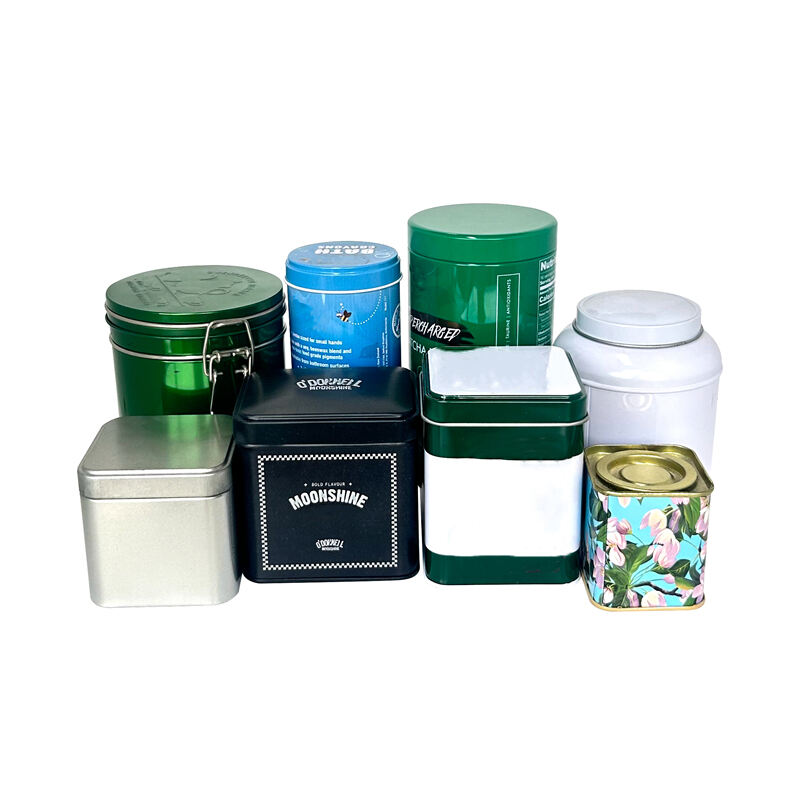
A tin container is a versatile packaging solution made primarily from tinplate, which consists of thin steel sheets coated with a layer of tin to prevent corrosion and enhance durability. These containers have been used for over two centuries across various industries, from food preservation to cosmetics packaging, thanks to their protective properties, recyclability, and aesthetic appeal. Understanding what defines a tin container and how it differs from other packaging materials is essential for businesses seeking reliable, sustainable, and visually appealing packaging solutions that protect contents while maintaining brand identity.
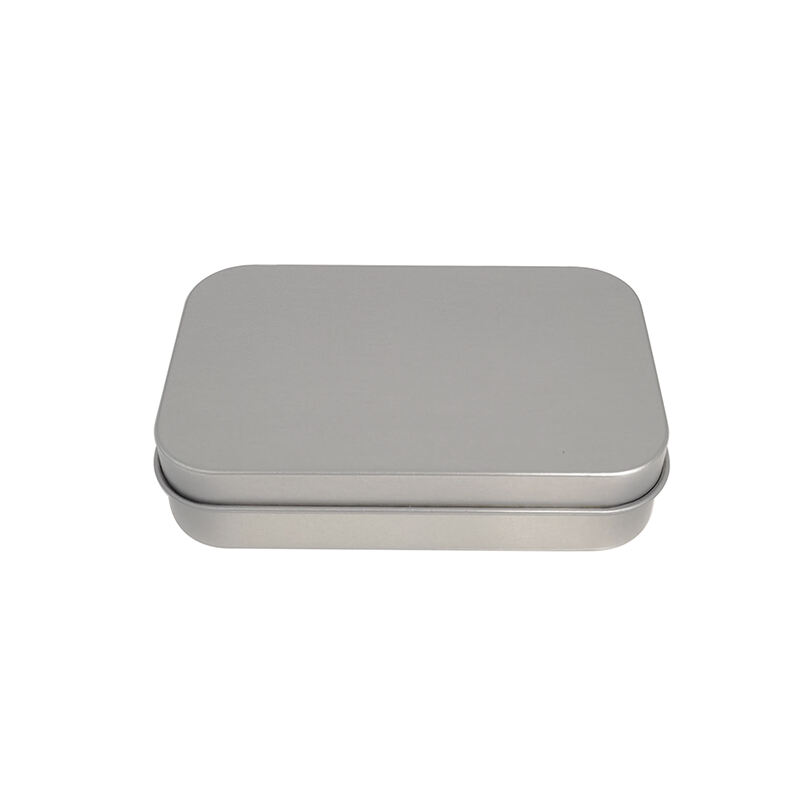
The term tin container encompasses a wide range of packaging formats, including round tins, rectangular boxes, hinged-lid containers, and specialty shapes designed for specific applications. Despite the name, modern tin containers are not made entirely of pure tin but rather utilize tinplate or tin-free steel with protective coatings. These containers offer superior barrier properties against moisture, light, oxygen, and contamination, making them ideal for preserving product freshness and extending shelf life. This comprehensive guide explores the material composition, classification systems, industrial applications, and practical considerations that define tin container usage across commercial sectors.
Material Composition and Manufacturing Process
Understanding Tinplate Construction
The foundation of any tin container lies in its material composition, primarily tinplate, which represents a sophisticated metallurgical product engineered for packaging applications. Tinplate consists of low-carbon cold-rolled steel sheets coated with a thin layer of tin through electroplating or hot-dipping processes. The steel base provides structural strength and formability, while the tin coating delivers corrosion resistance and a smooth, attractive surface finish. Typical tin coating thickness ranges from 2.8 to 11.2 grams per square meter, with coating weight selected based on the intended application and required corrosion protection level. This dual-layer construction allows tin containers to combine mechanical strength with chemical stability.
Modern manufacturing processes for tin containers involve multiple precision steps that transform flat tinplate sheets into finished packaging products. The process begins with sheet cutting, where large tinplate coils are cut into blanks of specific dimensions according to container design requirements. These blanks then undergo forming operations including drawing, pressing, or rolling to create the container body. Seaming operations join body components, while lid attachment mechanisms such as hinges, slip covers, or friction-fit designs are incorporated based on functionality requirements. Throughout manufacturing, quality control measures ensure dimensional accuracy, coating integrity, and structural soundness of each tin container produced.
Alternative Materials and Coatings
Beyond traditional tinplate, modern tin container manufacturing increasingly utilizes tin-free steel and specialized coating systems that offer comparable or enhanced performance characteristics. Tin-free steel, also known as electrolytic chromium-coated steel, features a chromium oxide layer that provides corrosion resistance without using tin, offering cost advantages for certain applications. These materials undergo additional lacquering or printing processes that apply protective polymer coatings to interior and exterior surfaces. Interior coatings prevent interaction between container material and contents, particularly important for food products, while exterior coatings enhance printability and visual appeal. The selection between tinplate and alternative materials depends on product compatibility requirements, regulatory compliance needs, and cost considerations specific to each application.
Surface treatment technologies continue evolving to expand tin container functionality and sustainability profiles. Modern coating systems include food-grade lacquers, UV-resistant finishes, and antimicrobial treatments that extend product protection capabilities. Water-based coatings and powder coating technologies reduce volatile organic compound emissions during manufacturing, aligning with environmental regulations and corporate sustainability commitments. These advanced surface treatments enable tin containers to meet stringent regulatory requirements across food contact, pharmaceutical packaging, and cosmetic applications while maintaining the aesthetic versatility that makes these containers attractive for premium product positioning.
Classification Systems and Container Types
Shape-Based Categories
Tin containers are classified into distinct categories based on their geometric configuration, with each shape offering specific functional advantages and aesthetic characteristics. Round tin containers represent the most traditional format, featuring cylindrical bodies with either slip-on or hinged lids, commonly used for tea, coffee, confectionery, and cosmetic products. The circular cross-section provides structural efficiency, requiring less material for equivalent volume compared to rectangular formats, while the absence of corners facilitates complete product evacuation and cleaning. Rectangular tin containers, including square and oblong variations, maximize shelf space utilization and stacking efficiency, making them preferred choices for retail display applications where space optimization drives packaging decisions.
Specialty-shaped tin containers extend beyond basic geometric forms to create distinctive packaging solutions that enhance brand differentiation and consumer appeal. These include heart-shaped tins for gift products, oval containers for breath mints and small confections, and custom-contoured designs that reflect product themes or brand identities. Shaped Tin Container formats often incorporate embossed details, dimensional features, and complex curves that transform packaging into collectible items with extended utility beyond initial product consumption. The manufacturing complexity and tooling investment required for specialty shapes typically limits their application to premium product segments where packaging differentiation justifies additional costs.
Functional Design Variations
Functional classification of tin containers focuses on closure mechanisms and access features that determine user interaction patterns and product protection levels. Slip-lid tin containers feature removable covers that fit over container bodies through friction or slight interference, offering simple access and reliable resealing for products requiring frequent opening. Hinged-lid designs incorporate mechanical hinges that maintain lid attachment to the container body, preventing lid loss and facilitating one-handed operation, particularly valued in retail environments and personal care applications. Window tin containers integrate transparent plastic or film panels that allow product visibility while maintaining protective barrier properties, combining the structural advantages of metal packaging with consumer preference for visual product inspection before purchase.
Specialized functional features further differentiate tin container types based on specific application requirements. Airtight tin containers incorporate rubber gaskets or silicone seals within lid interfaces to create hermetic closures that preserve product freshness for extended periods, essential for moisture-sensitive products like coffee beans or dried herbs. Stackable designs include features such as recessed lids or interlocking rim configurations that enable stable vertical stacking during storage and transportation, optimizing logistics efficiency. Child-resistant tin containers integrate safety mechanisms that require specific manipulation sequences to open, meeting regulatory requirements for products presenting potential hazards to children, including certain pharmaceutical and chemical applications.
Industrial Applications and Use Cases
Food and Beverage Packaging
The food and beverage sector represents the largest application domain for tin containers, where their barrier properties and material safety make them ideal for preserving product quality throughout distribution and storage. Tea packaging extensively utilizes tin containers to protect delicate leaves from moisture, light, and oxygen exposure that degrade flavor compounds and aromatic oils. The light-blocking properties of tin containers prevent photodegradation of sensitive food components, while the hermetic sealing capabilities maintain optimal humidity levels that preserve texture and prevent staleness. Coffee products similarly benefit from tin container packaging, where the barrier against oxygen infiltration slows oxidation processes that cause flavor deterioration, extending shelf life significantly compared to flexible packaging alternatives.
Confectionery products including cookies, candies, chocolates, and specialty baked goods utilize tin containers to combine product protection with gift-presentation aesthetics. The rigid structure prevents crushing damage during handling and transportation, maintaining product integrity from manufacturing through consumer purchase. Decorative printing capabilities transform tin containers into attractive gift packaging that commands premium pricing and enhances perceived product value. Seasonal products particularly leverage decorative tin containers, with holiday-themed designs creating collectible packaging that consumers retain for storage purposes long after original contents are consumed, providing ongoing brand exposure and potential repeat purchase triggers.
Non-Food Commercial Applications
Beyond food packaging, tin containers serve diverse commercial applications across cosmetics, pharmaceuticals, industrial products, and promotional merchandise sectors. Cosmetic packaging utilizes tin containers for solid perfumes, lip balms, solid lotions, and makeup products where the protective properties prevent product degradation while compact formats facilitate portability. The premium aesthetic of printed and embossed tin containers aligns with luxury cosmetic positioning, supporting higher price points and enhanced brand perception. Pharmaceutical applications include ointment containers, pill boxes, and first-aid supply packaging where the non-reactive nature of coated tinplate ensures product compatibility and the durability withstands repeated opening cycles throughout product use.
Industrial and promotional applications leverage tin container durability and customization potential for specialized purposes. Hardware and fastener packaging uses small tin containers to organize and protect components while displaying brand information at point of purchase. Promotional merchandise campaigns incorporate custom-printed tin containers as giveaway items, corporate gifts, or event memorabilia that provide lasting brand impressions beyond typical disposable promotional materials. Craft and hobby supplies including beads, buttons, sewing notions, and small tools benefit from the organizational capabilities and protective properties of tin containers, with transparent-window varieties enabling quick content identification in storage applications.
Selection Criteria and Design Considerations
Matching Container Specifications to Product Requirements
Selecting the appropriate tin container for a specific application requires systematic evaluation of product characteristics, distribution environment, and user interaction patterns. Product volume and density determine base container dimensions, with sizing decisions balancing consumer convenience portions against packaging efficiency and cost structures. Products with irregular shapes or delicate structures may require custom interior configurations such as formed inserts or protective cushioning to prevent movement damage during transportation. Chemical compatibility assessment ensures that container coatings and materials remain inert when in contact with product formulations, particularly critical for acidic foods, oily substances, or products containing volatile compounds that might interact with metal surfaces or standard lacquer systems.
Distribution environment analysis identifies protective requirements that inform tin container specification decisions. Products subjected to temperature fluctuations during shipping and storage may require enhanced coating systems that maintain adhesion and barrier properties across thermal cycles. Moisture exposure risk during warehousing or retail display drives decisions regarding sealing mechanisms and gasket materials that prevent humidity infiltration. Mechanical stress factors including stacking loads, vibration during transportation, and handling impacts influence material gauge selection and structural reinforcement features that ensure container integrity throughout the supply chain. These environmental considerations directly impact container cost structures, requiring optimization between protection levels and economic constraints.
Regulatory Compliance and Sustainability Factors
Regulatory compliance represents a fundamental selection criterion for tin containers used in food contact, pharmaceutical, and cosmetic applications where material safety standards govern packaging material composition and manufacturing processes. Food-grade tin containers must comply with regulations established by authorities such as the FDA in the United States or EFSA in Europe, which specify permissible coating materials, migration limits for chemical compounds, and testing protocols that verify material safety. Pharmaceutical packaging applications face additional requirements including tamper-evidence features, child-resistant designs, and material compatibility with active ingredients that must be validated through stability testing protocols. Documentation requirements including certificates of compliance, material declarations, and traceability records form essential components of regulatory conformance for tin containers in regulated applications.
Sustainability considerations increasingly influence tin container selection as brands respond to consumer environmental preferences and corporate responsibility commitments. The recyclability of tin containers represents a significant environmental advantage, with steel and tin both infinitely recyclable without quality degradation through magnetic separation processes in recycling facilities. Life cycle assessment comparisons evaluate total environmental impact including raw material extraction, manufacturing energy consumption, transportation emissions, and end-of-life disposal scenarios. Brands seeking to minimize packaging environmental footprints may prioritize tin containers with recycled content, water-based coatings, and optimized designs that reduce material usage while maintaining protective functionality. These sustainability attributes support marketing claims and align with retailer packaging standards that increasingly mandate recyclable or reusable packaging formats.
Quality Standards and Performance Characteristics
Structural Integrity and Barrier Properties
Quality tin containers exhibit specific structural and barrier performance characteristics that determine their suitability for demanding packaging applications. Structural integrity encompasses dimensional stability under filling pressures, stacking loads, and handling stresses that containers encounter throughout their lifecycle. Seam strength testing verifies that body seams and lid attachments maintain integrity under specified load conditions, preventing separation failures that compromise product containment. Dent resistance measurements assess the container's ability to withstand impact without permanent deformation that could affect functionality or appearance, particularly important for retail packaging where visual appeal influences purchase decisions. Drop testing simulates shipping and handling impacts to validate that filled containers survive distribution without failure or leakage.
Barrier performance testing quantifies the tin container's ability to protect contents from environmental factors that cause quality degradation. Oxygen transmission rate measurements determine how effectively the container prevents oxygen infiltration that causes oxidation of sensitive food components or pharmaceutical active ingredients. Moisture vapor transmission testing evaluates barrier effectiveness against humidity exposure that affects texture, potency, or stability of packaged products. Light transmission properties, essentially zero for opaque tin containers, protect photosensitive contents from degradation while maintaining product efficacy throughout shelf life. These barrier characteristics distinguish tin containers from flexible packaging and many plastic container formats, supporting extended shelf life claims and reduced preservative requirements in food formulations.
Coating Integrity and Chemical Resistance
The protective coating systems applied to tin containers represent critical quality factors that determine product compatibility and long-term performance in specific applications. Coating adhesion testing ensures that interior and exterior finishes remain bonded to the substrate throughout filling operations, temperature variations, and extended storage periods. Inadequate adhesion can lead to coating delamination that exposes base metal to product contact, potentially causing metallic taste transfer, discoloration, or corrosion failures. Chemical resistance evaluation subjects coated tin containers to contact with representative product formulations under accelerated aging conditions, identifying potential interaction issues before commercial implementation. Products with high acidity, oil content, or alcohol concentration require specially formulated coating systems that resist chemical attack while maintaining FDA compliance for food contact applications.
Coating flexibility testing verifies that finishes applied to tin containers accommodate forming operations and handling stresses without cracking or flaking that would compromise protective functionality. This becomes particularly important for containers with embossed features, sharp corners, or complex geometries where coating must stretch and compress during forming processes. Color stability testing evaluates whether printed and coated surfaces maintain appearance characteristics when exposed to light, heat, and handling throughout product shelf life, ensuring that brand graphics remain vibrant and attractive at point of purchase. These quality characteristics collectively determine the tin container's ability to protect contents, maintain appearance, and deliver the user experience that supports brand positioning and repeat purchase behavior.
FAQ
What materials are tin containers actually made from?
Despite their name, tin containers are primarily made from tinplate, which consists of thin steel sheets coated with a layer of tin, or from tin-free steel with chromium coatings. The steel base provides structural strength while the tin or chromium coating prevents corrosion and provides a smooth surface for printing. Modern tin containers also feature interior food-grade lacquer coatings that prevent direct contact between contents and metal, ensuring product safety and preventing metallic taste transfer in food applications.
How do tin containers compare to plastic containers for food storage?
Tin containers offer superior barrier properties against oxygen, light, and moisture compared to most plastic containers, making them more effective at preserving product freshness and extending shelf life for sensitive items like coffee, tea, and confections. They are infinitely recyclable without quality degradation, whereas plastic recycling is limited to a few cycles. Tin containers also provide a premium aesthetic and structural rigidity that prevents crushing damage. However, plastic containers may offer advantages in weight reduction for shipping and lower material costs for basic applications where barrier requirements are minimal.
Can tin containers be customized with company branding?
Tin containers offer extensive customization possibilities including full-color lithographic printing, embossing, debossing, specialty finishes, and complex shaped designs that create distinctive brand identities. Printing can cover the entire container surface with intricate graphics, photographs, and text that remain vibrant throughout product shelf life. Embossed features add dimensional elements that enhance tactile appeal and perceived value. Custom shapes ranging from simple variations of standard formats to completely unique configurations enable brands to create signature packaging that differentiates products in competitive markets. Minimum order quantities for custom tin containers vary based on complexity, typically starting at several thousand units for standard shapes with custom printing.
Are tin containers environmentally friendly and recyclable?
Tin containers are highly recyclable and environmentally sustainable packaging options. Steel and tin are both infinitely recyclable through standard municipal recycling programs, with magnetic separation easily extracting steel containers from mixed recycling streams. Recycled steel requires significantly less energy to process than virgin material production, reducing the overall environmental footprint. Many tin containers incorporate recycled content in their manufacturing, further enhancing sustainability credentials. Additionally, the durability and attractive appearance of tin containers encourage consumers to reuse them for storage and organization purposes long after original contents are consumed, extending product lifecycle and providing ongoing brand exposure beyond initial purchase.