
 EN
EN
 AR
AR BG
BG HR
HR CS
CS DA
DA NL
NL FI
FI FR
FR DE
DE EL
EL IT
IT JA
JA KO
KO NO
NO PL
PL PT
PT RO
RO RU
RU ES
ES SV
SV CA
CA IW
IW ID
ID LV
LV LT
LT SR
SR SK
SK SL
SL UK
UK VI
VI SQ
SQ HU
HU TR
TR FA
FA MS
MS GA
GA CY
CY LA
LA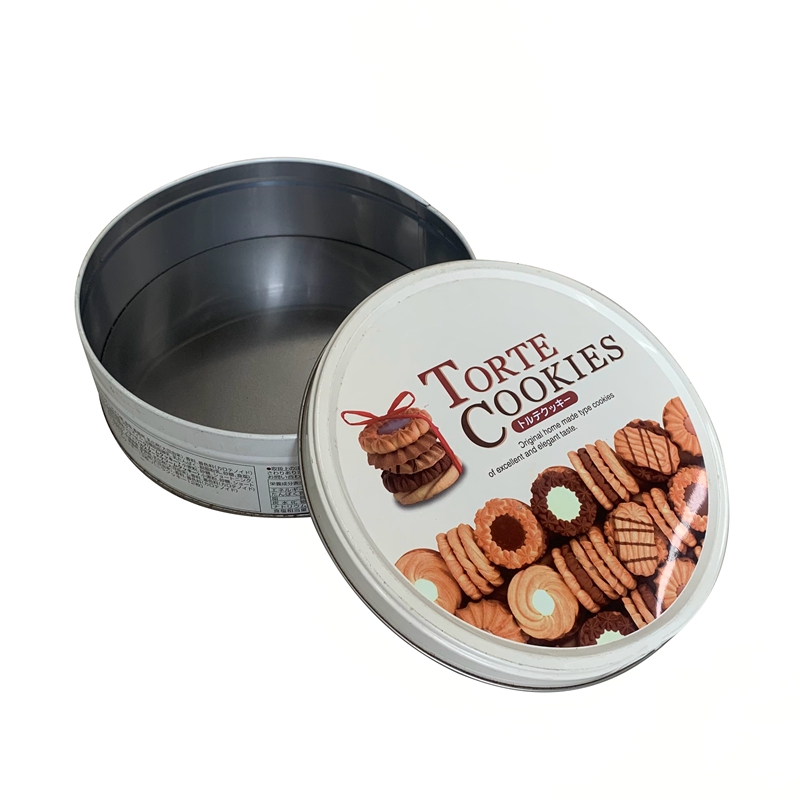
Bulk buying is one of the most practical ways to reduce shopping frequency, cut costs, and manage household or business supplies more efficiently. But there is a persistent environmental problem that most bulk buyers overlook: the overwhelming reliance on single-use plastic packaging. Every time you purchase grains, spices, coffee, snacks, or dry goods in large quantities, the packaging that comes with it often ends up in a landfill. Switching to a Tin Container for storing and managing your bulk purchases is one of the most effective steps you can take toward meaningful plastic waste reduction.
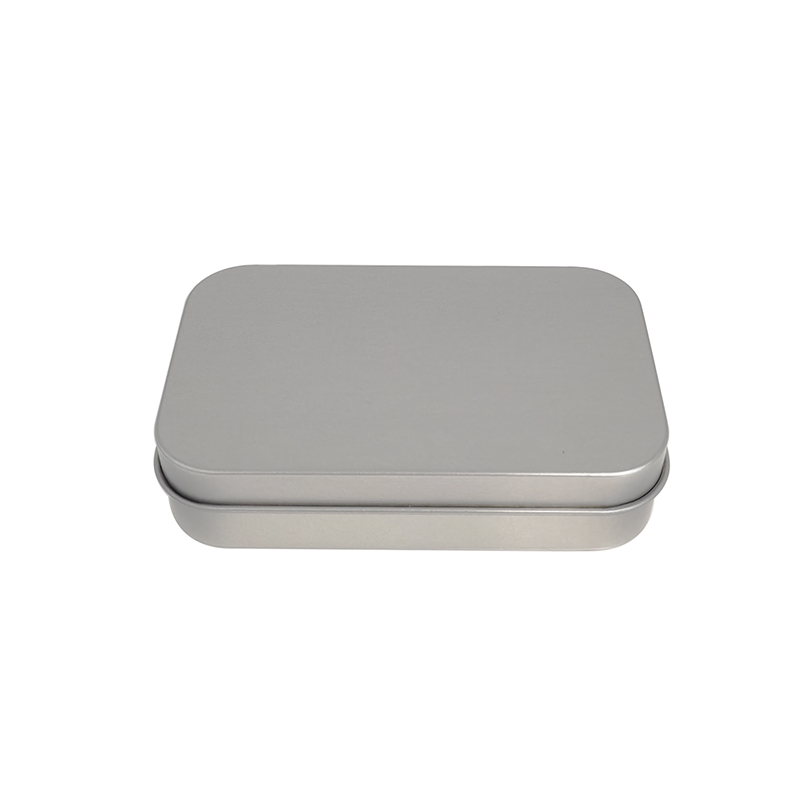
The logic is straightforward. A Tin Container is durable, reusable, airtight when properly designed, and fully recyclable at the end of its long service life. Unlike plastic tubs, bags, or wrapping films that degrade, leach chemicals, and clog recycling streams, a well-made Tin Container can serve your storage needs for years or even decades. For anyone serious about reducing their environmental footprint while maintaining the practical benefits of bulk buying, understanding exactly how tin containers outperform plastic alternatives is the essential first step.
The Environmental Problem with Plastic in Bulk Buying
Why Plastic Packaging Accumulates So Quickly
When consumers buy in bulk, the intention is often to reduce waste and save money. However, the physical reality is that bulk goods still arrive in plastic bags, are stored in plastic bins, and are scooped using plastic utensils. Each touchpoint introduces another layer of plastic that eventually gets discarded. For businesses managing large quantities of dry goods, the volume of plastic waste generated can be staggering within just a few months.
Plastic packaging degrades slowly, and many forms of it cannot be processed by standard municipal recycling programs. Thin plastic films, multi-layer laminate bags, and flexible pouches often end up in general waste regardless of the recycling symbols printed on them. The gap between the intention to recycle and the actual recyclability of most food-grade plastics is a significant environmental liability that bulk buyers continue to unknowingly contribute to.
The cumulative effect is a large and growing plastic waste stream that affects land, water, and air quality. For households and businesses alike, confronting this reality means looking for container alternatives that genuinely close the loop. A Tin Container offers exactly that alternative by providing a long-lasting, infinitely recyclable vessel that eliminates the need for repeated plastic packaging cycles.
The Hidden Costs of Choosing Convenience Over Sustainability
Plastic is often chosen because it is lightweight and cheap. But those cost advantages at the point of purchase obscure a much heavier environmental and economic cost downstream. Plastic containers crack, warp, and absorb odors over time, meaning they need to be replaced more frequently than metal alternatives. Each replacement cycle produces more plastic waste and requires more energy to manufacture.
For businesses managing bulk dry goods storage, the operational cost of continually replacing degraded plastic containers adds up. A Tin Container, by contrast, represents a one-time investment that pays dividends over years of repeated use. Its structural integrity does not diminish with cleaning cycles, temperature fluctuations, or the weight of stored goods. The upfront cost difference between a Tin Container and a plastic equivalent becomes negligible or even favorable once a multi-year usage horizon is considered.
How a Tin Container Supports a Bulk Buying System
Structural Advantages for Long-Term Storage
A Tin Container is built to withstand the physical demands of a real storage environment. Its rigid walls resist crushing and deformation, making it ideal for stacking multiple units without risking spillage or container failure. For bulk buyers who dedicate an entire pantry shelf, warehouse rack, or retail display to stored goods, the ability to stack containers efficiently maximizes available space without safety concerns.
The metal construction of a Tin Container also provides a natural barrier against pests such as insects and rodents, which can penetrate plastic bags and even some rigid plastic containers over time. Dry goods stored inside a properly sealed Tin Container maintain their quality and remain free from contamination, making it a genuinely superior storage solution for sensitive products like flours, grains, teas, and spices.
Temperature stability is another critical structural advantage. Metal containers do not expand or contract dramatically with temperature changes, which preserves the integrity of the seal and the quality of the contents. Plastic, by contrast, can warp in high temperatures and become brittle in cold environments, both of which compromise its effectiveness as a storage medium.
Airtight Sealing and Product Preservation
One of the primary concerns when buying in bulk is ensuring that goods remain fresh over extended storage periods. A high-quality Tin Container with a properly fitted lid provides an airtight seal that slows the oxidation process, keeps out moisture, and preserves the aroma and flavor profile of sensitive goods. This is especially important for coffee, tea, herbs, and spices, which lose their character rapidly when exposed to open air.
When a Tin Container is used as part of a systematic bulk buying approach, it allows consumers and businesses to purchase larger quantities without sacrificing product quality. The container itself becomes the preservation tool, replacing the need for vacuum-sealed plastic bags or repeated small purchases. Over time, this approach reduces both the total amount of packaging used and the frequency of resupply trips.
The airtight properties of a well-made Tin Container also help prevent cross-contamination between stored goods. In environments where multiple products are stored in close proximity, such as retail back-of-house areas or busy household pantries, having individually sealed metal containers ensures that flavors, aromas, and moisture levels do not interfere with one another.
Reducing Plastic Waste Through the Tin Container Transition
Replacing Disposable Packaging at the Source
The most impactful way to reduce plastic waste is to eliminate reliance on single-use packaging at the point of consumption. When bulk buyers use a Tin Container as their primary storage vessel, they effectively remove the need for individual plastic bags, resealable pouches, and disposable canisters from their supply chain. Each Tin Container that replaces a plastic alternative prevents dozens or even hundreds of plastic items from entering the waste stream over its lifetime.
For businesses that supply goods to retail customers, offering bulk products in a reusable Tin Container rather than disposable plastic packaging sends a clear message about environmental values. Customers are increasingly sensitive to packaging waste, and a brand that visibly invests in sustainable packaging solutions builds stronger loyalty and differentiation in competitive markets.
The transition to tin-based bulk storage does not require a complete overhaul of purchasing habits. It begins with identifying the most frequently purchased bulk goods and introducing one Tin Container per product category. As the system matures, the plastic packaging it displaces becomes measurable, and the environmental benefit compounds over time.
The End-of-Life Advantage of Metal Over Plastic
Even the most environmentally conscious consumer will eventually need to retire a Tin Container after years of heavy use. The critical difference between metal and plastic at this stage is the recyclability outcome. Steel and tinplate are among the most recycled materials in the world, accepted by virtually every municipal recycling program globally. A retired Tin Container enters a well-established recycling stream and is typically processed into new metal products within weeks.
Plastic containers, particularly those made from composite materials or contaminated with food residue, frequently fail to enter the recycling stream at all. They end up in landfills where they persist for centuries, breaking down into microplastics that infiltrate soil, waterways, and food systems. The end-of-life story of a Tin Container is, by every metric, cleaner and more responsible than its plastic counterpart.
Choosing a Tin Container for bulk buying is therefore not just a present-tense decision. It is a long-term commitment to keeping materials in productive circulation rather than contributing to permanent environmental contamination. Every tin container that reaches a recycling facility instead of a landfill represents a tangible, measurable win for sustainability goals.
Practical Guidance for Implementing a Tin Container Bulk Buying System
Selecting the Right Size and Configuration
Effective bulk storage begins with matching the container size to the volume of goods being stored and the frequency of use. A Tin Container that is too small requires constant refilling, which undermines the efficiency benefits of bulk buying. One that is too large may allow contents to degrade if they are not consumed quickly enough. The ideal approach is to assess weekly or monthly consumption rates before selecting container sizes.
For households, a medium-sized Tin Container with a tight-fitting lid is typically suitable for staples like coffee, loose-leaf tea, baking ingredients, or trail mix. For commercial operations such as cafes, restaurants, or specialty food retailers, larger-format tin containers with wide mouths and stackable profiles offer both capacity and operational convenience. The key is to choose containers that integrate naturally into the existing storage layout rather than creating friction in daily workflows.
Labeling is another practical consideration. A Tin Container with a smooth exterior surface accepts adhesive labels cleanly and allows for easy identification across a multi-container system. Some operations choose to use chalk paint or removable label strips to allow for flexible relabeling as product needs change over time.
Maintaining and Cleaning Your Tin Container System
One of the advantages of a Tin Container is the ease of maintenance. Unlike plastic, which can absorb stains and odors after repeated use, a well-coated Tin Container can be wiped clean or hand-washed without absorbing residual scents or flavors. This makes it ideal for rotating between different products as storage needs change throughout the year.
Proper drying after washing is important for any metal container to prevent surface moisture from causing rust at joints or seams. In most cases, simply drying a Tin Container thoroughly before refilling is sufficient to maintain its condition over many years. For containers used in humid environments, silica gel packs or similar moisture absorbers can be placed inside to extend the shelf life of contents and protect the container interior.
With minimal care, a quality Tin Container can remain functional and attractive for five to fifteen years or longer. This longevity is the foundation of its value proposition in any serious plastic reduction strategy. The fewer times a container needs to be replaced, the fewer resources are consumed and the less waste is generated over any given time horizon.
FAQ
Is a Tin Container safe for storing food products long-term?
Yes, a Tin Container designed for food storage is safe for long-term use. High-quality tinplate and food-grade coatings used in tin container manufacturing are non-toxic and do not leach chemicals into stored goods. They are widely used in food packaging and storage applications globally and meet food safety standards when properly manufactured. Always check that the Tin Container you select is specifically labeled or confirmed as food-safe before use with consumable goods.
Can a Tin Container replace all types of plastic food storage?
A Tin Container is highly effective for replacing rigid plastic containers used for dry goods, powders, loose teas, coffee, grains, and similar products. It may not be the optimal choice for storing liquids or highly acidic foods without a specialized liner. For the vast majority of bulk buying scenarios involving dry or semi-dry goods, a Tin Container is a direct and superior replacement for plastic containers, offering better durability, recyclability, and long-term cost efficiency.
How does using a Tin Container actually reduce plastic waste?
Every Tin Container that replaces a plastic bag, pouch, or plastic canister in a bulk buying system removes that plastic item from the consumption and disposal cycle. Over the lifespan of a single Tin Container, which can span a decade or more, it could realistically displace hundreds of plastic packaging units. When this logic is applied across a household or business operation, the cumulative reduction in plastic waste becomes significant and measurable, directly addressing both landfill contribution and microplastic generation.
What types of bulk goods are best suited to storage in a Tin Container?
A Tin Container is particularly well suited for storing dry bulk goods that benefit from an airtight, pest-resistant, and light-blocking environment. Coffee beans, loose-leaf tea, flour, sugar, salt, rice, dried herbs, spices, nuts, seeds, and baking mixes are all excellent candidates. The metal construction protects against UV light degradation, while the sealed lid preserves freshness and prevents contamination. For any bulk product where freshness, cleanliness, and long-term storage stability are priorities, a Tin Container delivers consistent and reliable performance.